Top 14 Down Syndrome Animals In The World (With Pictures)
While many people are familiar with Down syndrome in humans, the presence of animals with similar conditions is often overlooked. Let’s delve into the fascinating Down Syndrome Animals In The World, exploring the unique challenges and remarkable stories that highlight their resilience.
These animals not only raise awareness but also fosters empathy and appreciation for the diversity of life. By examining various cases and the ongoing research in this area, readers will gain insight into the bond between humans and these extraordinary creatures.
List of Down Syndrome Animals In The World
Here is the list of animals with down syndrome pictures:
- Kenny the Tiger
- Otto the Kitten
- Beluga Whale
- Down Syndrome in Monkeys
- Down Syndrome in Elephants
- Koala
- Down Syndrome in Giraffes
- Goat
- Down Syndrome in Mice
- Hyenas
- Cow
- Down Syndrome in Dogs
- Horse
- Animals With Down Syndrome Chimpanzee
- Dog (Down Syndrome Animals Dog)
Kenny the Tiger
- Scientific name: Panthera tigris
- Class: Mammalia
- Diet: Carnivore
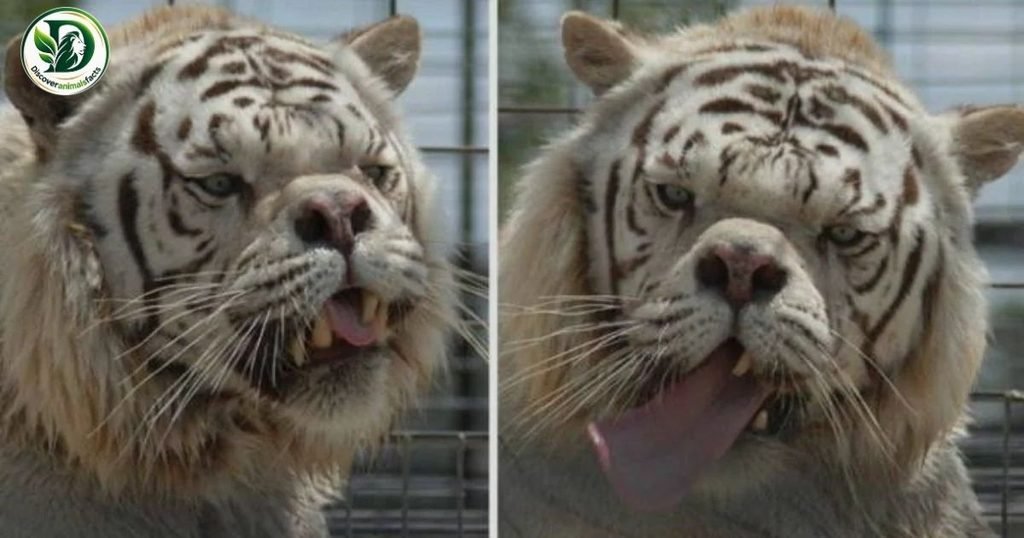
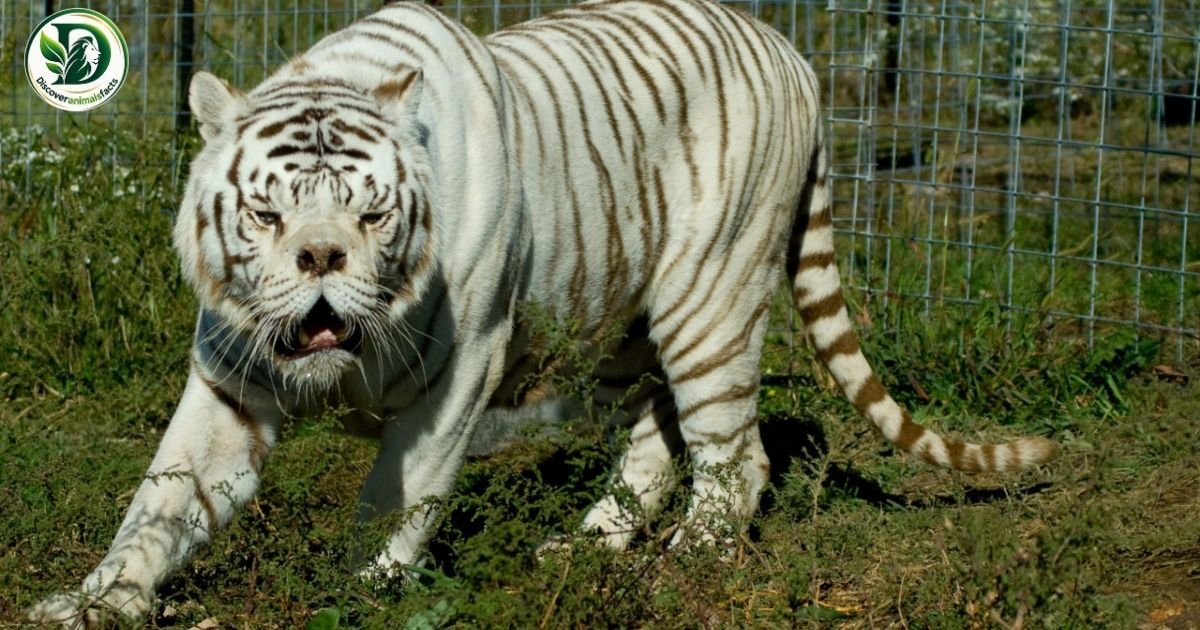
Kenny the Tiger stands out not just for his captivating stripes and playful demeanor, but also for the unique journey he represents among Down syndrome animals in the world. Born at a small wildlife sanctuary, Kenny faced early challenges that are often overlooked in the animal kingdom.
His condition affected his growth and balance, initially making him a target for stigma; however, this adversity has transformed into a symbol of resilience and joy for staff and visitors alike. As Kenny matured, his differences became his charm, allowing him to connect deeply with people who flock to see him.
Kenny serves not only as an ambassador for Down syndrome animals in the world but also highlights the importance of embracing diversity, challenging conventional perceptions of beauty, and fostering understanding across species. Through Kenny’s playful antics and affectionate personality, we are reminded of the magic that exists in being different.
Otto the Kitten
- Scientific name: Felis catus
- Class: Mammalia
- Diet: Carnivore
Otto the kitten has rapidly become a symbol of resilience and joy as one of the rare Down syndrome animals in the world. His unique features, including an adorable rounded face and a distinct way of moving, highlight the beauty of diversity within the animal kingdom. While many might see his extra challenges as hurdles, Otto demonstrates that love, curiosity, and playfulness transcend any physical limitations.
His story serves as a heartwarming reminder that every creature deserves a chance to thrive and be cherished.The burgeoning awareness around animals like Otto is sparking conversations about inclusivity and acceptance in society. People are increasingly recognizing that conditions like Down syndrome, while often misunderstood, can lead to extraordinary experiences and bonds that enrich our lives.
Otto’s antics, whether he’s attempting to chase a feather or snuggling up for a cozy nap, inspire others to look beyond typical expectations in both pets and humans alike. He encourages compassion and celebrates individuality, breaking stereotypes surrounding both disabilities and atypical behaviors in animals. In a world that often values perfection, Otto shines as a beacon of hope and love, reminding us of the inherent worth found in every living being.
Beluga Whale With Down Syndrome
- Scientific name: Delphinapterus leucas
- Class: Mammalia
- Diet: Carnivore
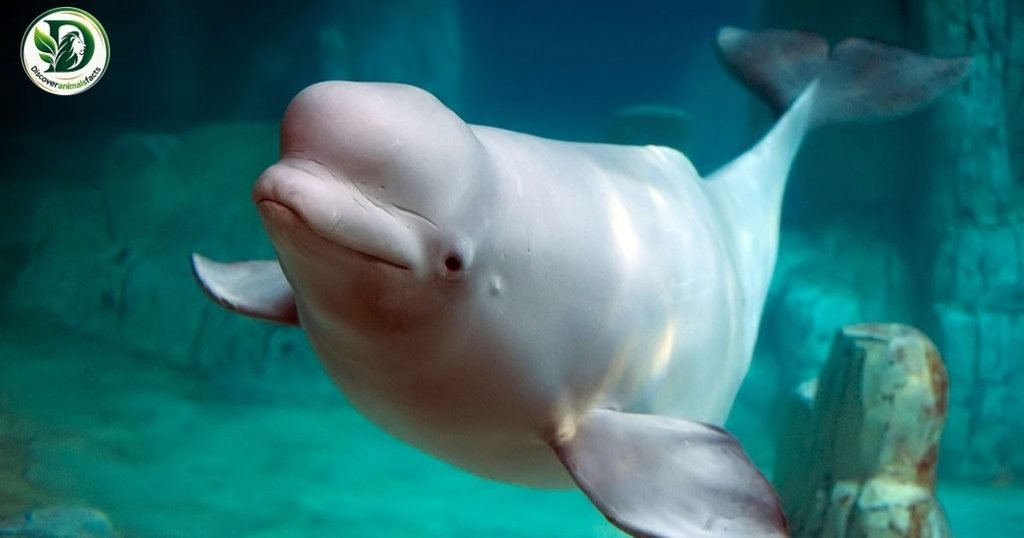
The captivating story of a beluga whale with Down syndrome resonates deeply with both marine enthusiasts and those advocating for inclusivity. Beluga whales are known for their intelligence and social nature, and when one of them exhibits characteristics associated with Down syndrome, it raises intriguing questions about genetic diversity in the animal kingdom.
This instance underscores the richness of life and reminds us that both humans and animals thrive in a spectrum of abilities.In recent years, instances of Down syndrome have been documented in various animal species, including dogs and cats, but the case of the beluga whale pushes the conversation further. Observing these animals in marine sanctuaries offers a unique chance to study their behavior and cognition, revealing how they adapt to their environments and social dynamics.
This extraordinary beluga, while facing challenges, also shines a light on the capability and resilience found within all creatures, encouraging a broader understanding of what it means to be different in the animal world. Through this lens, we can develop a renewed appreciation for diversity, advocating for the acceptance of all animals, regardless of their genetic makeup.
Down Syndrome in Monkeys
- Scientific name: Simiiformes
- Class: Mammalia
- Diet: Omnivore
Down syndrome in monkeys offers a fascinating look into the complexities of genetic anomalies beyond humans. Researchers have observed instances in macaques and other primate species where chromosomal variations lead to syndromes reminiscent of Down syndrome. This phenomenon not only challenges our understanding of the disorder itself but also highlights the evolutionary threads linking various species.
In these primates, signs of developmental differences such as unique facial features and cognitive delays parallel those seen in human cases, providing intriguing insights into the genetic foundations of this condition. The impact of down syndrome animals in the world expands our appreciation for biodiversity and its role in genetic research.
By studying monkeys with Down syndrome-like traits, scientists can explore the biological and environmental factors that influence these phenomena across species. Such research not only deepens our understanding of genetic disorders but also fosters compassion for animals that may exhibit similar conditions.
If you are interested to learn about Top 20+ Animals That Eat Monkeys, this is complete guide.
Down Syndrome in Elephants
- Scientific name for African elephant: Loxodonta africana
- Scientific name for Asian elephant: Elephas maximus
- Class: Mammalia
- Diet: Herbivore
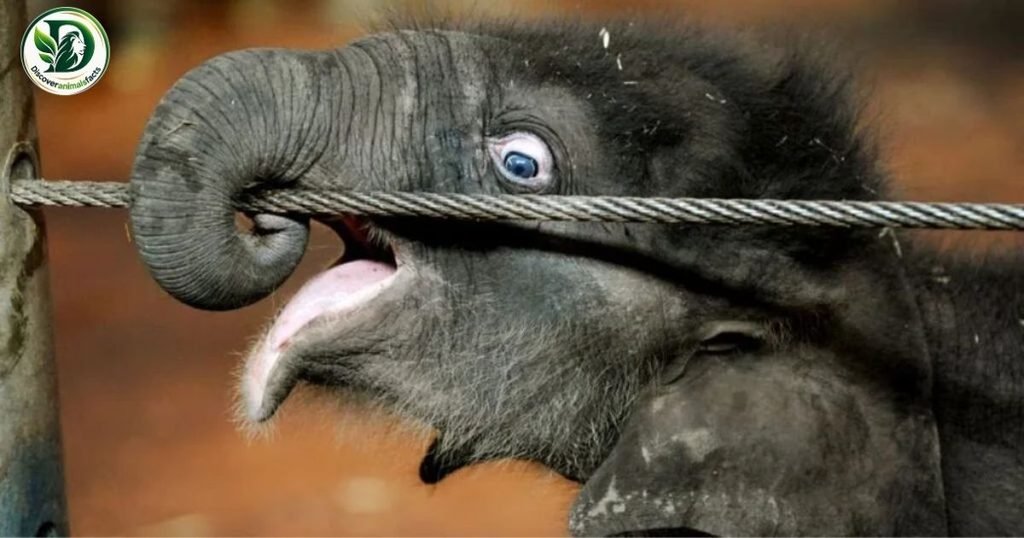
Recent research has sparked intrigue in the animal kingdom, particularly regarding Down Syndrome in elephants, a condition rarely observed in wildlife. Unlike in humans, where this genetic anomaly is more common, elephants exhibit a fascinating resilience to such chromosomal abnormalities.
When elephants do present atypical physical traits or behavioral patterns, it challenges our understanding of their genetics and raises questions about the prevalence of Down Syndrome in animals across the world. The implications of these findings extend beyond mere curiosity; they emphasize the complexity of animal biology and the intricate interplay of genetics within ecosystems.
Observing elephants that display signs reminiscent of Down Syndrome provides a unique opportunity to enhance conservation efforts. It reminds us of the diversity within species and the importance of compassionate observation in wildlife conservation.
Koala
- Scientific name: Phascolarctos cinereus
- Class: Mammalia
- Diet: Herbivore
Koalas, often regarded as icons of Australian wildlife, are not just fascinating for their eucalyptus-bingeing habits; they also share surprising similarities with Down syndrome animals in the world. These marsupials exhibit unique genetic traits that can lead to conditions akin to those seen in some human genetic disorders, including variations in their physical attributes and behaviors.
Understanding these traits can deepen our appreciation for koalas as not only adorable creatures but also as vital links in the ecosystem and subjects of ongoing research.Recent studies have shown that similar to how Down syndrome impacts individuals in diverse ways, koalas with genetic anomalies can show a range of behavioral adaptations.
Some may exhibit heightened social interactions or develop distinct quirks that set them apart from their peers. These variations challenge our perceptions of ‘normal’ behaviors in wildlife and emphasize the beauty of diversity within species.
Down Syndrome in Giraffes
- Scientific name: Giraffa camelopardalis
- Class: Mammalia
- Diet: Herbivore
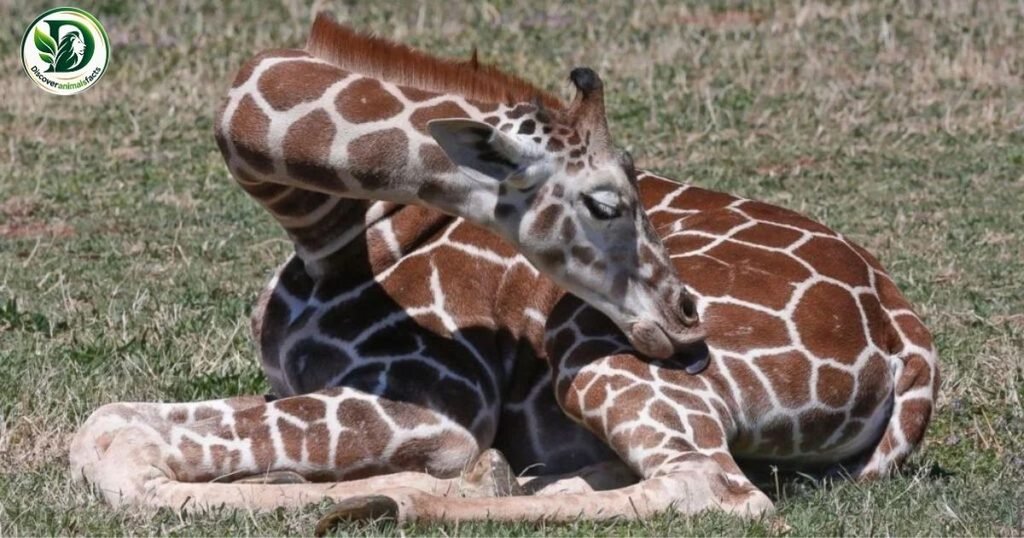
Down syndrome, a genetic variation typically studied within human populations, can also present intriguing cases in the animal kingdom, including giraffes. While research specifically highlighting Down syndrome in giraffes is limited, the concept prompts us to consider how genetic anomalies might manifest uniquely in various species.
The idea of Down syndrome animals in the world could challenge our understanding of biodiversity and raise awareness about the rare instances where such genetic conditions might occur beyond humans.Exploring the cognitive and physical variations in animals with genetic conditions invites us to appreciate their unique perspectives.
Imagine a giraffe navigating its environment with an unusual gait or distinctive physical traits, engaging with its surroundings in ways that fascinate both researchers and enthusiasts alike. Such occurrences could enrich our understanding of animal behavior, leading to deeper insights into their adaptability and resilience, and encouraging us to celebrate the diversity of life in all its forms.
Goat
- Scientific name: Capra aegagrus hircus
- Class: Mammalia
- Diet: Herbivore
Goats are fascinating creatures, offering a unique lens through which to explore the diversity of life on Earth. More than just farm animals, these intelligent and playful beings exhibit a range of behaviors that captivate enthusiasts and researchers alike.
Among their intriguing traits is their social nature, often forming strong bonds with not only their herd but also with other animals, including humans and even dogs, showcasing the innate connection shared across species. The goats and Down Syndrome animals in the world can spark important conversations about inclusivity and acceptance.
While goats themselves don’t biologically have Down Syndrome, the concept serves as a metaphor for celebrating individuality in all forms of life. The goat’s quirky and spirited personality can remind us that every creature contributes uniquely to the tapestry of nature, encouraging a deeper understanding and appreciation of diversity.
Down Syndrome in Mice
- Scientific name: Mus musculus
- Class: Mammalia
- Diet: Omnivore
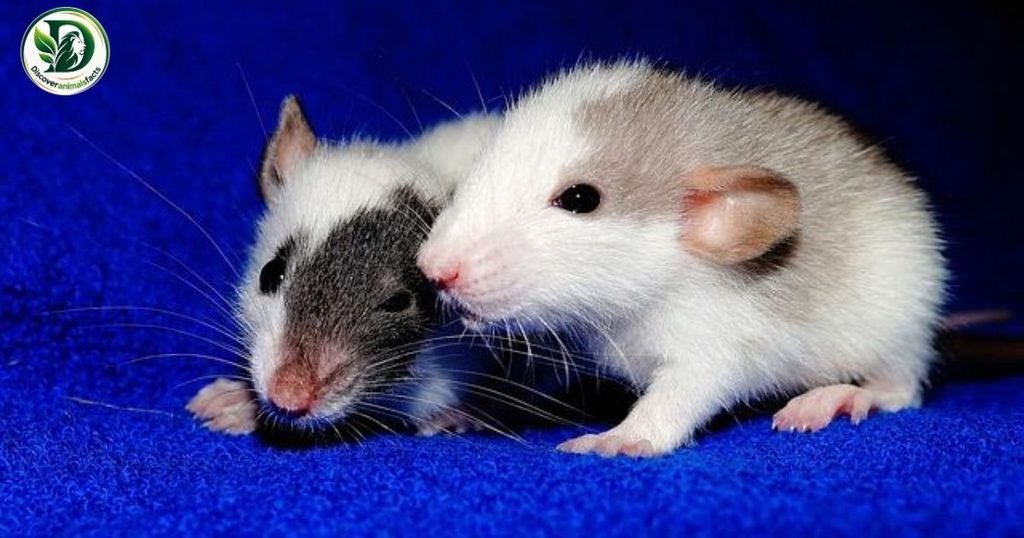
Research into Down Syndrome in mice offers a fascinating glimpse into the genetic underpinnings of this condition. By utilizing genetically modified mouse models, scientists can investigate the effects of an extra copy of chromosome 21, which parallels the human experience of Down Syndrome.
This innovative approach allows researchers to study various behaviors and cognitive functions, revealing how alterations at the genetic level can influence learning and memory. Interestingly, insights gained from these models may lead to the development of targeted therapies not only for humans but potentially for other animals in the world that exhibit similar chromosomal anomalies.
These mice in social contexts enhances our understanding of how Down Syndrome affects interpersonal interactions. For instance, researchers have noted that while some behaviors may be impaired, others, such as emotional responsiveness, remain intact. This duality opens the door to exploring the spectrum of capabilities and how they manifest in both mice and other species.
Hyenas
- Scientific name: Crocuta crocuta
- Class: Mammalia
- Diet: Carnivore
Hyenas, often misunderstood due to their scavenging reputation and vocalizations, play a crucial ecological role that’s often overlooked. These complex creatures are not merely scavengers; they are skilled hunters with intricate social structures that rival those of primates. Their unique communal living fosters cooperation, making them adept at not just survival but thriving in diverse habitats.
Some researchers have even drawn parallels between the social behaviors of hyenas and those of species that exhibit Down syndrome in animals, showcasing the spectrum of intelligence and emotional richness across the animal kingdom.Their powerful jaws can crush bones, enabling them to access nutrients that many predators cannot, thus contributing to a balanced ecosystem.
Their complex vocalizations reveal a sophisticated communication system, where distinct calls can convey messages about territory, status, and social bonds. This linguistic depth invites us to reconsider our perceptions of intelligence in non-human animals, highlighting the potential for emotional connections and social interactions that mimic those seen in animals with Down syndrome.
Cow
- Scientific name: Bos taurus
- Class: Mammalia
- Diet: Herbivore
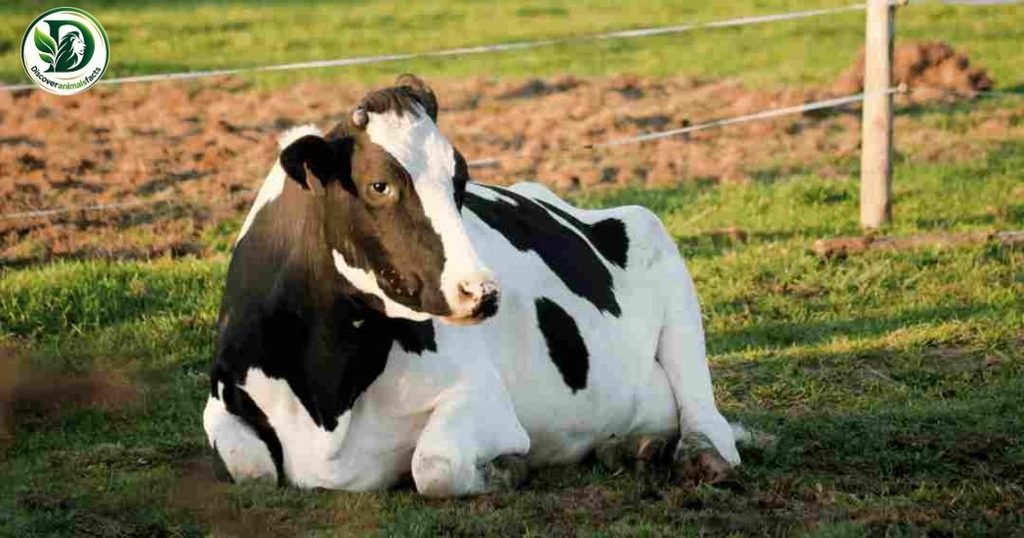
Cows, often seen as gentle giants in agricultural settings, are fascinating creatures with intricate social structures. Research has revealed that cows possess remarkable emotional awareness, forming deep bonds with one another and showcasing behaviors that hint at empathy.
These animals are not just passive beings; they communicate through a complex system of vocalizations and body language, demonstrating joy, frustration, and even sorrow. Exploring the world of Down syndrome animals sheds light on the unique challenges and adaptations that come with such conditions.
While cows with genetic anomalies are rare, they can serve as poignant reminders of the diversity within species. Animals with Down syndrome characteristics often exhibit endearing traits, attracting gentle affection and inspiring greater compassion in humans.
If you are interested to know about Shy Animals in the World, so this is complete guide with pictures & facts
Horse
- Scientific name: Equus ferus caballus
- Class: Mammalia
- Diet: Herbivore
Horses, with their majestic presence and deep-rooted history alongside humans, exhibit astonishing emotional intelligence that transcends species boundaries. They intuitively sense human feelings, often providing comfort and companionship to individuals with various needs. In recent years, horses have been recognized not only for their therapeutic benefits but also for their role in advocating for awareness surrounding diverse conditions, including Down syndrome.
This connection has shed light on the broader narrative of inclusion in the animal kingdom, demonstrating how animals, just like humans, can embody resilience and empathy.Some horses display unique traits reminiscent of individuals with Down syndrome, illuminating the spectrum of diversity in the animal world.
These gentle giants have been observed showing distinct personality quirks and social behaviors that challenge conventional notions of “normal.” By embracing these differences, we can foster deeper bonds not only between humans and horses but also within our communities, promoting a message of acceptance and appreciation for all beings.
Animals With Down Syndrome Chimpanzee
- Scientific Name: Pan troglodytes
- Class: Mammalia
- Diet: Ripe fruits, Leaves and stems
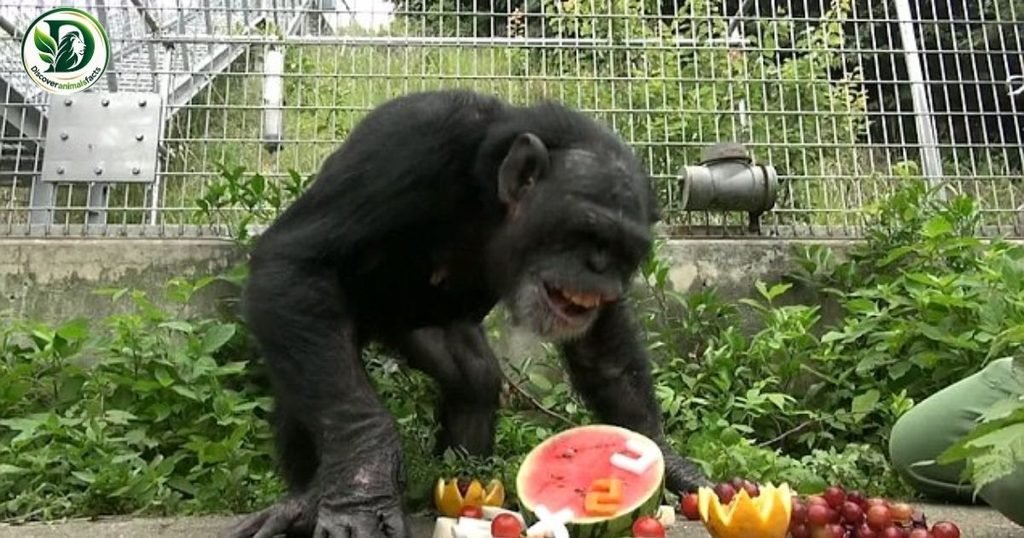
In the realm of Down Syndrome animals in the world, the case of chimpanzees stands out as particularly heartwarming and thought-provoking. When a chimp is born with Down syndrome, it often exhibits unique behaviors and physical features that captivate scientists and animal lovers alike.
These remarkable beings offer a window into genetic anomalies that illuminate not only our understanding of wildlife but also the deep emotional connections these primates can form with each other and with humans.Observations of chimpanzees with Down syndrome reveal that they often engage in play and social interactions in deeply affectionate ways, showcasing their innate capability for empathy.
Their experiences challenge conventional perceptions of what it means to be “non-normative” in social structures, prompting a reevaluation of intelligence and social skills in animals. The compassion and care that other chimpanzees display towards those with Down syndrome further highlight the innate sense of community within their groups, serving as a reminder that love and acceptance transcend genetic quirks.
Dog (Down Syndrome Animals Dog)
- Scientific Name: Canis lupus familiaris
- Class: Mammalia
- Diet: Commercial Food
The concept of Down syndrome in dogs, while not scientifically recognized in the same way it is for humans, fascinates many pet lovers. These unique animals often exhibit distinct characteristics that set them apart, garnering immense love and attention. For instance, dogs with atypical features or behavioral traits, sometimes likened to Down syndrome, can evoke an extraordinary bond with their owners.
This connection transcends typical pet ownership, encouraging owners to embrace not just the dog’s differences but also the lessons in compassion and acceptance that come with them. Experiencing life with these lovable companions can shine a light on the diverse spectrum of animal capabilities.
Down syndrome animals in the world often challenge our perceptions, revealing that intelligence and well-being can manifest in unexpected ways. Their playful and affectionate natures can impart profound lessons about joy, resilience, and unconditional love. Ultimately, these dogs remind us that beauty lies in diversity, and raising awareness around their stories can foster a more inclusive understanding of all forms of life.
If you are interested to explore about Animals Like Foxes, this is complete guide with pictures & facts.
Conclusion
The unique presence of Animals With Down Syndrome In The World reminds us of the incredible diversity within the animal kingdom. These creatures challenge our perceptions and highlight the importance of compassion and understanding in all forms of life.
By celebrating their uniqueness, we can advocate for better care and treatment for animals with special needs. Furthermore, their stories inspire us to appreciate the beauty in differences, encouraging a more inclusive outlook on life.
FAQ’s
Can Animals Have Down Syndrome And Autism?
While animals cannot officially be diagnosed with Down syndrome or autism in the same way humans are, some animals can exhibit traits or behaviors that may remind us of these conditions.
Can Animals Have Down Syndrome?
Animals cannot have Down syndrome in the same way humans do because Down syndrome is specifically caused by an extra copy of chromosome 21, a condition unique to human genetics.
Are Animals With Down Syndrome Funny?
Down syndrome in animals is not officially recognized in the same way it is in humans, but certain genetic mutations can result in physical and behavioral traits that are atypical for the species.
Can a giraffe with down syndrome exist?
While Down syndrome is a genetic condition most commonly found in humans, its existence in other species, such as giraffes, is not well-documented or scientifically established.
Can a whale with down syndrome exist?
Whales, like other animals, can experience a range of health issues, but identifying a specific condition analogous to Down syndrome in them would require extensive scientific study.