List Of Animals Like Foxes: 23 Similar Species With Pictures & Facts
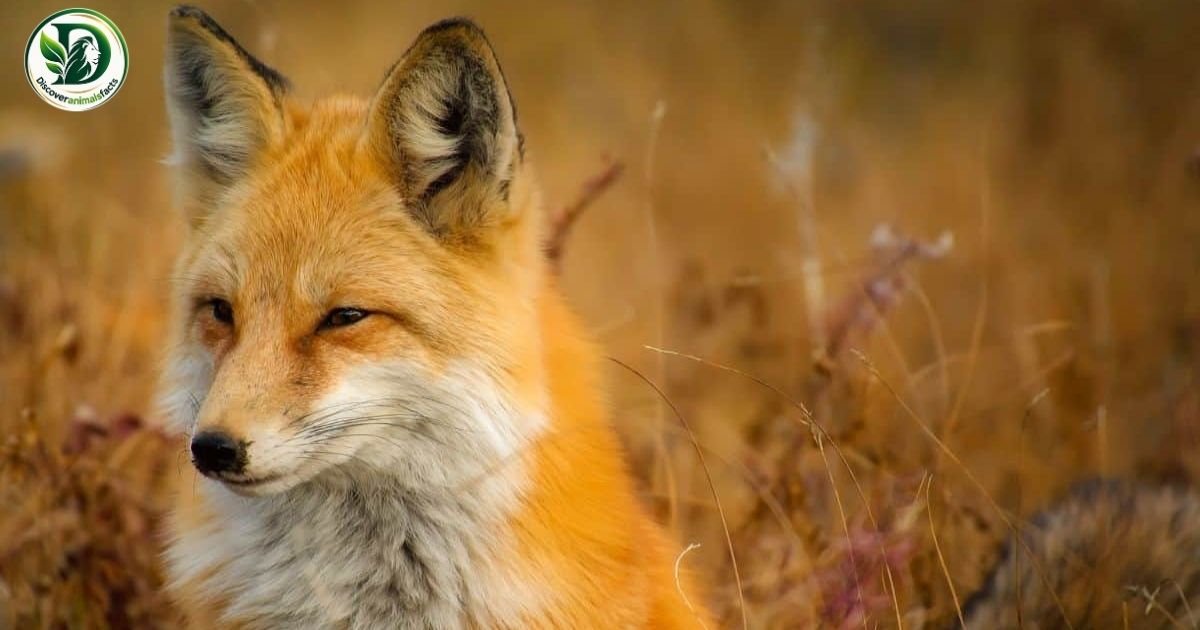
If you think Wild Animals Like Foxes are the only clever critters in the animal kingdom, think again! There are many other animals like foxes that possess remarkable survival skills and social behaviors.
Let’s take you on a journey through the fascinating world of these animals, discussing Animals Similar to Foxes and why they matter in today’s ecosystem. Prepare to be amazed by the intelligence and adaptability of these creatures as we explore their stories.
List of Animals Like Foxes
Below is the List 23 Type Of Animals Like Foxes.
- Red Pandas
- Mole Rats
- Dholes
- Dingoes
- Fennec Foxes
- Coyotes
- Culpeos
- Mountain Lions
- Jackals
- Civets
- Domestic Dogs
- Margays
- Raccoons
- Wolves
- Skunks
- African Wild Dogs
- Cats
- Bat-Eared Foxes
- Bobcats
- Maned Wolves
- Mongooses
- Weasels
- Raccoon Dogs
Red Pandas
- Scientific Name: Ailurus fulgens
- Class: Mammalia
- Diet: Omnivore
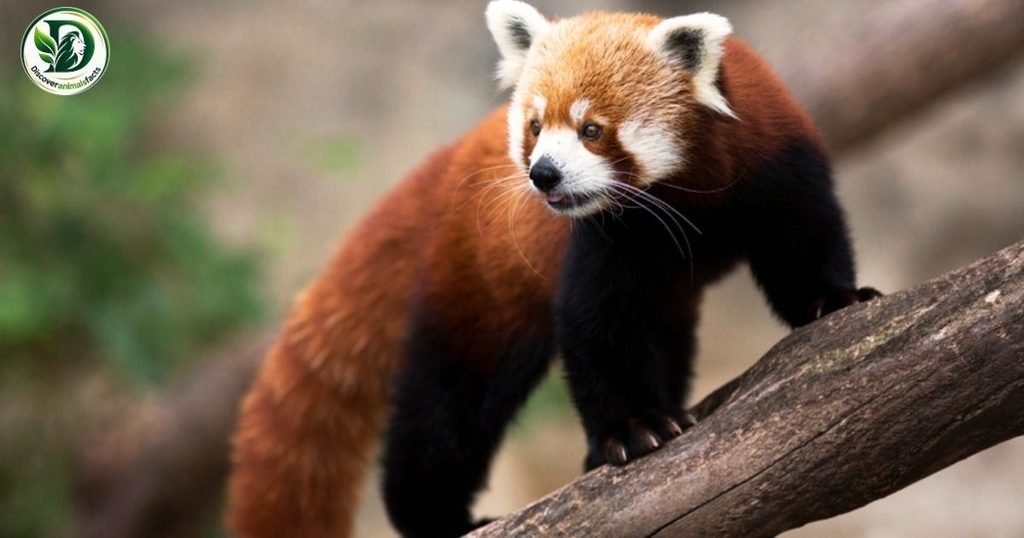
In the enchanting world of wildlife, red pandas stand out as fascinating creatures, much like their distant relatives, foxes. Both animals exhibit a blend of agility and cunning that allows them to thrive in their respective habitats. While foxes are often associated with their cleverness and adaptability.
Red pandas are Cute Animals Like Foxes and charm observers with their playful demeanor and arboreal agility. Their ability to navigate the treetops is reminiscent of a fox darting through dense underbrush, highlighting an evolutionary prowess that speaks to their survival instincts.
Interestingly, red pandas are not true pandas; they belong to their own unique family, Ailuridae. This adds another layer to their allure much like the diverse family of canids, which includes various fox species, wolves, and domestic dogs. Both red pandas and foxes exhibit intricate social behaviors, revealing a fascinating intersection between solitary and communal living.
Mole Rats
- Scientific Name: Heterocephalus glaber
- Class: Mammalia
- Diet: Herbivore
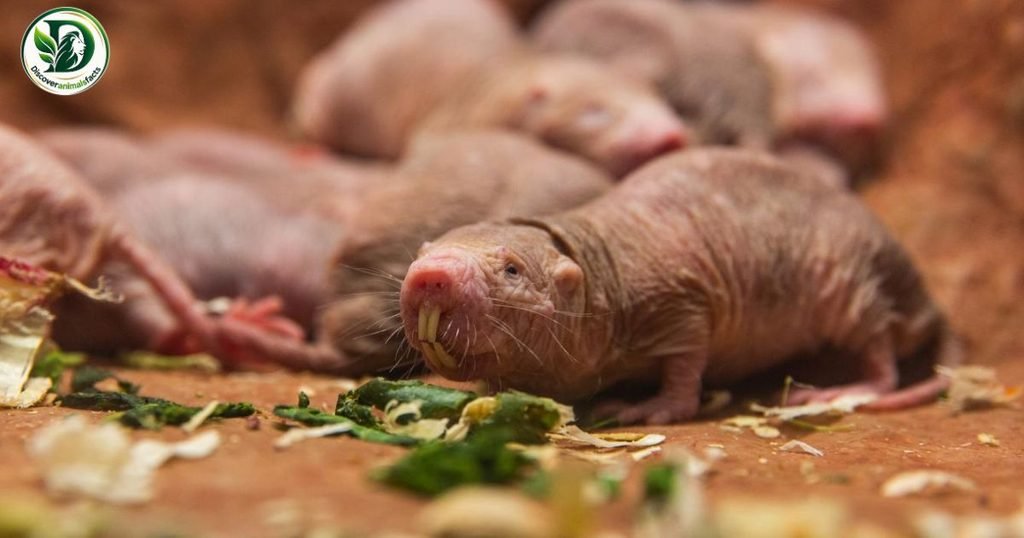
While foxes are celebrated for their cunning and adaptability, mole rats present a fascinating contrast with their uniquely social structures and underground lifestyles. Unlike the solitary animals similar to foxes, many mole rat species thrive in complex communities, exhibiting extraordinary cooperation in tasks like burrowing and foraging. This social behavior provides a glimpse into the evolutionary advantages of living in groups, offering warmth, protection, and enhanced territory control in their subterranean habitats.
Mole rats’ impressive adaptations, such as their nearly hairless bodies and exceptional digging abilities, reveal the intricate relationships between an animal and its environment. As foxes hunt above ground, mole rats navigate an underground maze of tunnels, encountering challenges that demand innovative problem-solving skills.
These starkly different lifestyles highlight the diverse strategies Animals Similar to Fox employ to survive, reminding us that nature’s ingenuity is boundless. Just as the fox embodies the art of stealth and intelligence, mole rats showcase the power of collaboration and adaptability in a world that often demands both to thrive.
If you are interested to explore about Top 6 Animals With Tusk, so this is complete guide with Images.
Dholes
- Scientific Name: Cuon alpinus
- Class: Mammalia
- Diet: Carnivore
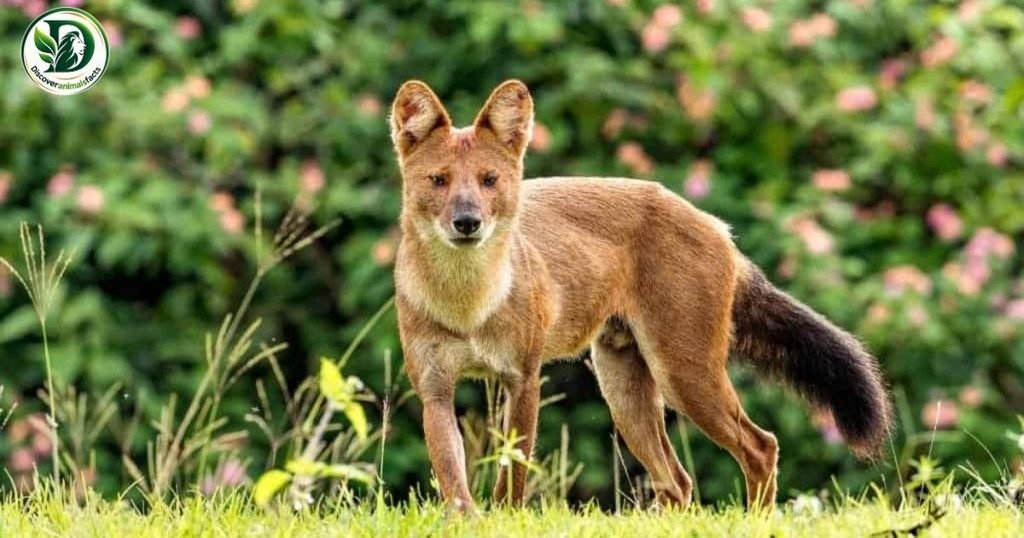
Dholes are animals that look like a fox, often referred to as the “Indian wild dog,” share remarkable similarities with foxes in their social structure and adaptability. These highly social canids live in tight-knit packs, showcasing complex communication and hunting strategies that rival those of their more solitary counterparts.
The cunning lone fox hunting for itself, dholes thrive on teamwork, using their intelligence and agility to corner prey. This cooperative behavior provides fascinating insights into the evolutionary advantages of living in groups, highlighting a rich tapestry of interdependence among wild animals.
Both dholes and foxes exhibit a remarkable ability to adapt to their environments, showcasing the enigmatic balance between predator and prey. While foxes are often associated with cunning and trickery, dholes embody a more communal yet equally strategic approach to survival. Their coordinated hunting tactics are not just an impressive sight; they also reflect a deep-rooted understanding of their ecosystem.
Dingoes
- Scientific Name: Canis familiaris dingo
- Class: Mammalia
- Diet: Carnivore
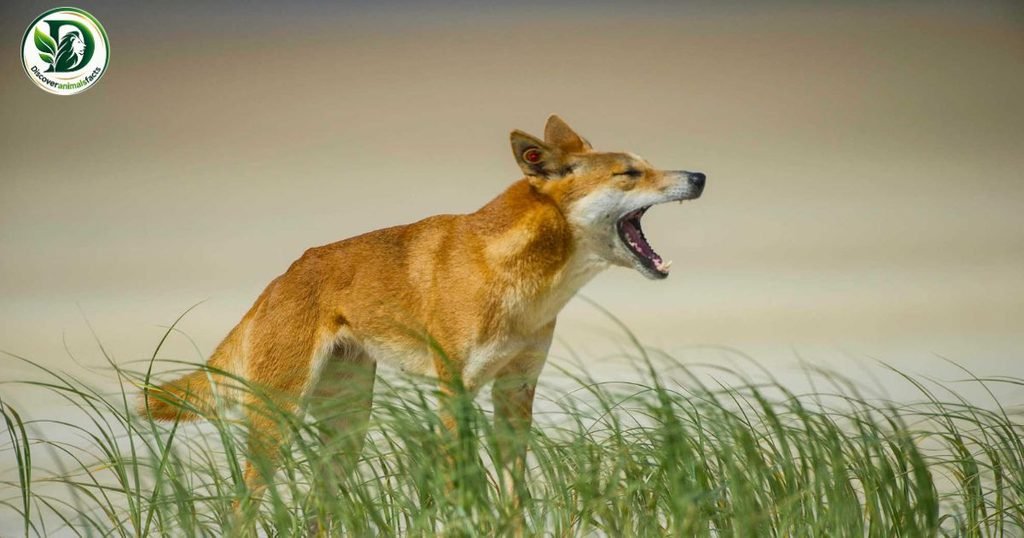
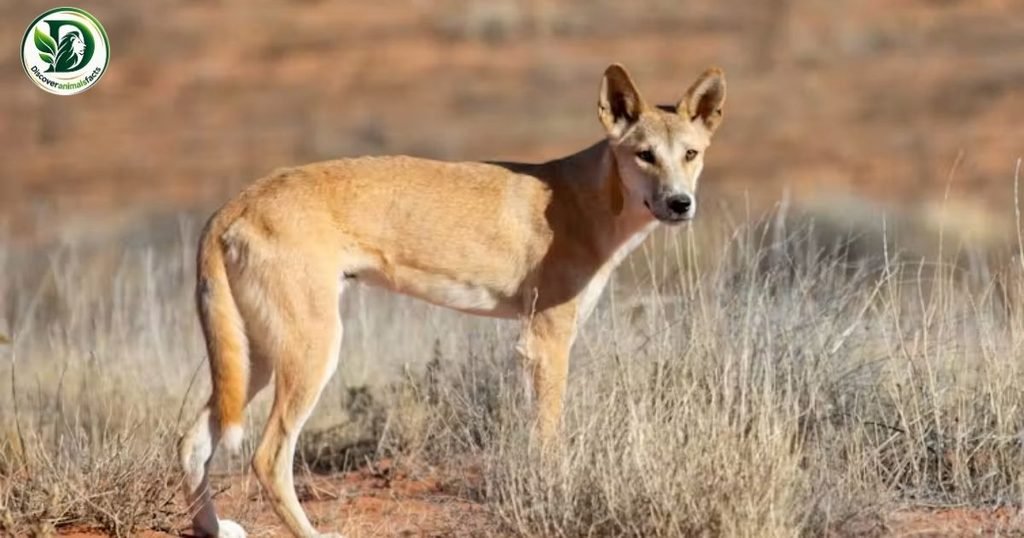
The dingo, a wild dog native to Australia, shares striking similarities with foxes in both adaptive behaviors and ecological niches. Animals that look like foxes, more cunning counterparts, dingoes display remarkable versatility in their diet and hunting strategies, often using teamwork to take down prey.
Their ability to thrive in diverse environments from arid deserts to lush wetlands mirrors that of foxes, showcasing a resilience that captivates wildlife enthusiasts.
Both dingoes and foxes possess an undeniable charisma that has made them subjects of folklore and cultural symbolism. In many Indigenous Australian stories, dingoes embody characteristics of cunning and survival, similar to how foxes are often depicted as clever tricksters in Western narratives. This shared cultural significance highlights not only their adaptive prowess but also the deep connections these animals forge with human imagination.
Fennec Foxes
- Scientific Name: Vulpes zerda
- Class: Mammalia
- Diet: Omnivore
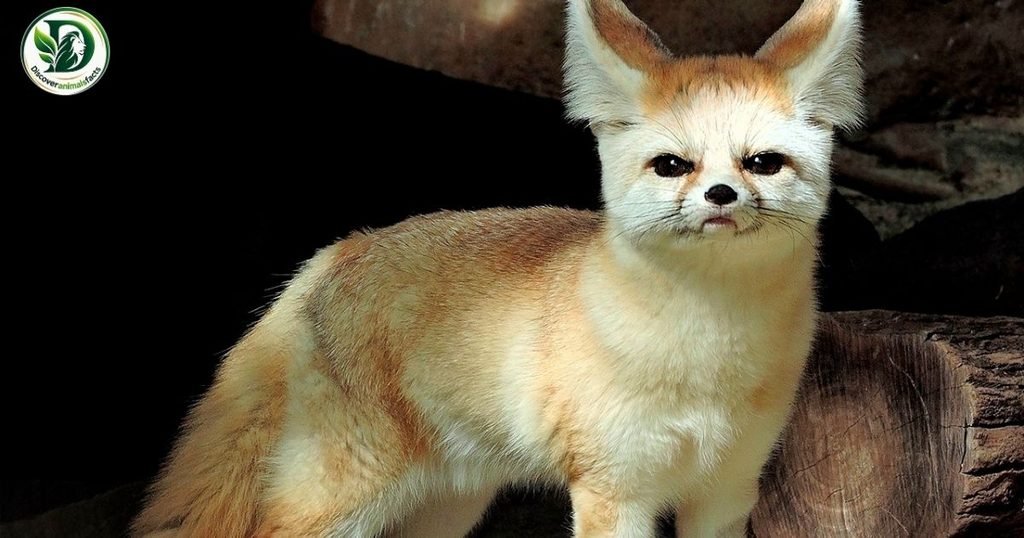
Fennec foxes are animal that looks like a fox but smaller, with their oversized ears and desert-dwelling lifestyle, are a testament to the wonders of evolution. These small canids are not only adorable but also masterfully adapted to their arid environments.
Their ears help dissipate heat, allowing them to thrive in extreme temperatures, while their unique nocturnal habits enable them to avoid the harsh sun. What’s particularly fascinating is their ability to locate prey beneath the sands, using acute hearing that rivals even that of larger predators.
In contrast to their wild cousins, domestic dogs share remnants of the fennec foxes lineage, reminding us of the shared ancestry between species. This connection highlights the diverse adaptations animals can undertake while still embodying familiar traits. By observing fennec foxes in their natural habitat, we gain insight into the intricate balance of ecosystems, illustrating how even the tiniest of creatures can play vital roles in their environments.
Coyotes
- Scientific Name: Canis latrans
- Class: Mammalia
- Diet: Omnivore
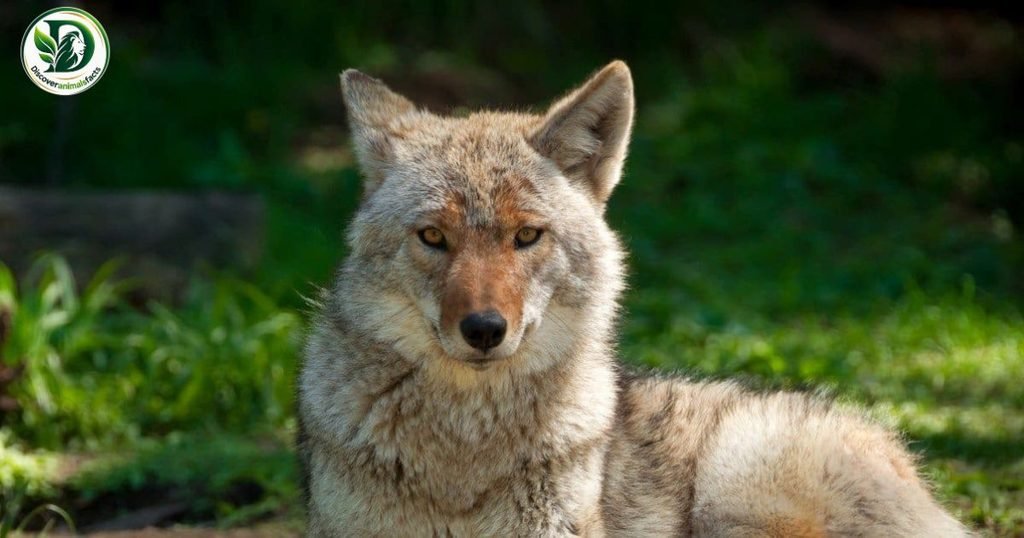
Animals similar to foxes, akin to their distant relatives, the coyotes, embody a unique blend of adaptability and cunning that allows them to thrive in diverse habitats. While foxes are often solitary hunters, coyotes tend to form packs, showcasing different social structures and survival strategies.
This divergence highlights the fascinating ways in which wildlife has evolved to meet their environments’ demands. Despite these differences, both species have become adept at navigating urban landscapes, demonstrating an extraordinary resilience that challenges our understanding of wildlife boundaries.
This overlap encourages a rare dynamic where they compete for resources while simultaneously influencing each other’s behaviors. For example, urban foxes have been observed adjusting their hunting patterns based on the presence of coyotes, showcasing remarkable behavioral plasticity.
Culpeos
- Scientific Name: Lycalopex culpaeus
- Class: Mammalia
- Diet: Carnivore
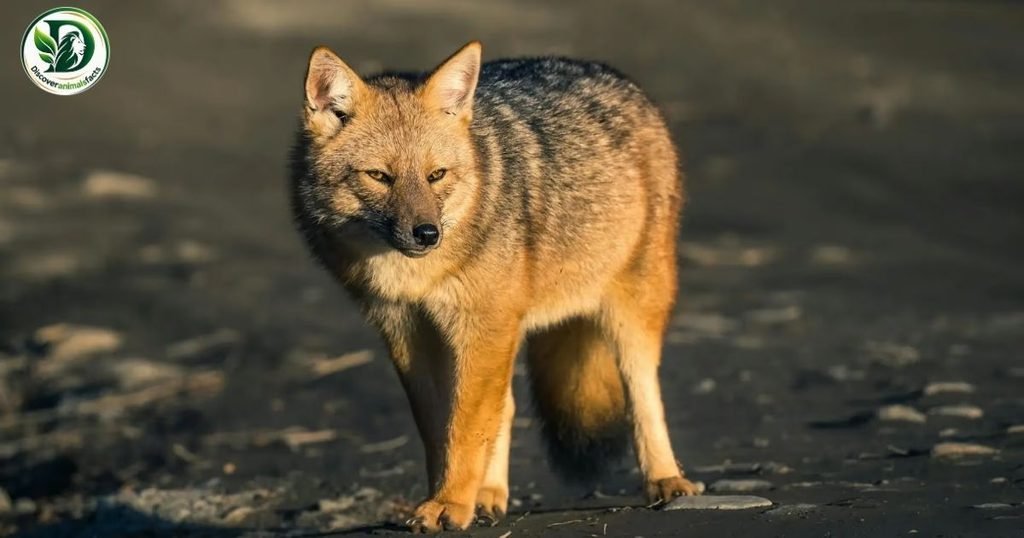
Culpeos are animals that look like foxes, also known as the Andean fox, are fascinating creatures that inhabit the rugged landscapes of South America. Unlike their more familiar red cousins, these foxes display a striking adaptability, thriving in diverse environments ranging from arid deserts to lush forests. Their unique social structure often foraging in small family groups provides a glimpse into their complex communication and hunting strategies, setting them apart in the canid family.
These cunning animals are not just captivating for their appearance but also for their diets, which are surprisingly varied. While they may feast on small mammals and birds, their opportunistic nature often leads them to forage on fruits and even carrion, demonstrating an ecological versatility that is rarely seen in other canid species.
This adaptability plays a crucial role in maintaining the balance within their ecosystems, showcasing the importance of species like the Culpeo in promoting biodiversity and health within their habitats.
Mountain Lions
- Scientific Name: Puma concolor
- Class: Mammalia
- Diet: Carnivore
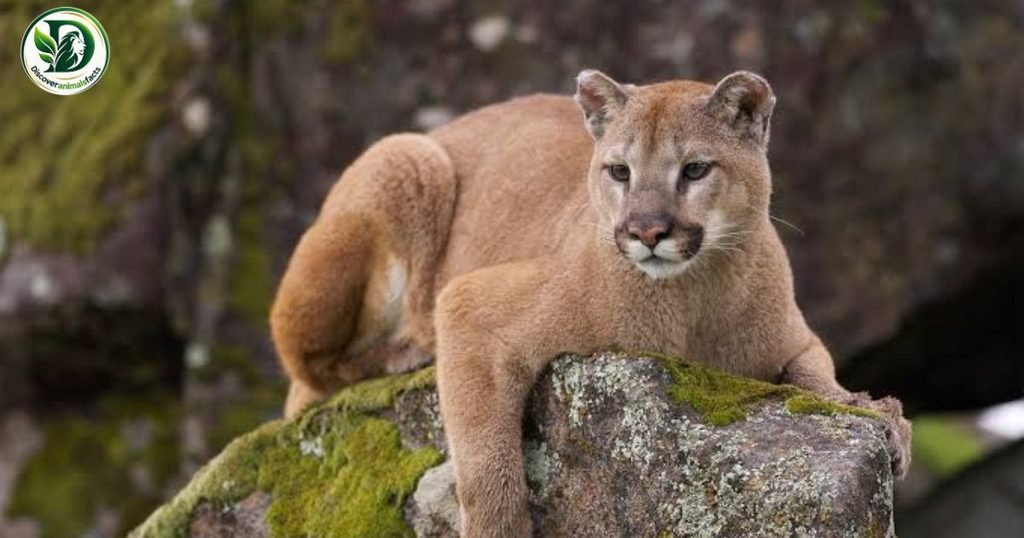
Mountain lions, also known as cougars or pumas, embody a blend of elegance and stealth, much fox like animals in their agility and cunning. Both animals have adapted remarkably well to their environments, using their acute senses to navigate through diverse terrains. While foxes often thrive in urban settings, mountain lions roam the vast wilderness, embodying the wild spirit of the untamed landscapes they inhabit.
Though mountain lions are larger and more powerful than foxes, their elusive nature draws fascinating parallels between the two species. Both utilize instinctual behaviors for hunting, relying on stealth to ambush prey.
Interestingly, mountain lions communicate through a range of vocalizations and scent markings, similar to how foxes use their keen sense of smell to establish territory and social bonds. This shared ability to adapt their communication strategies highlights the evolutionary ingenuity these mammals possess, allowing them to thrive in their respective habitats.
Jackals
- Scientific Name: Canis aureus
- Class: Mammalia
- Diet: Omnivore
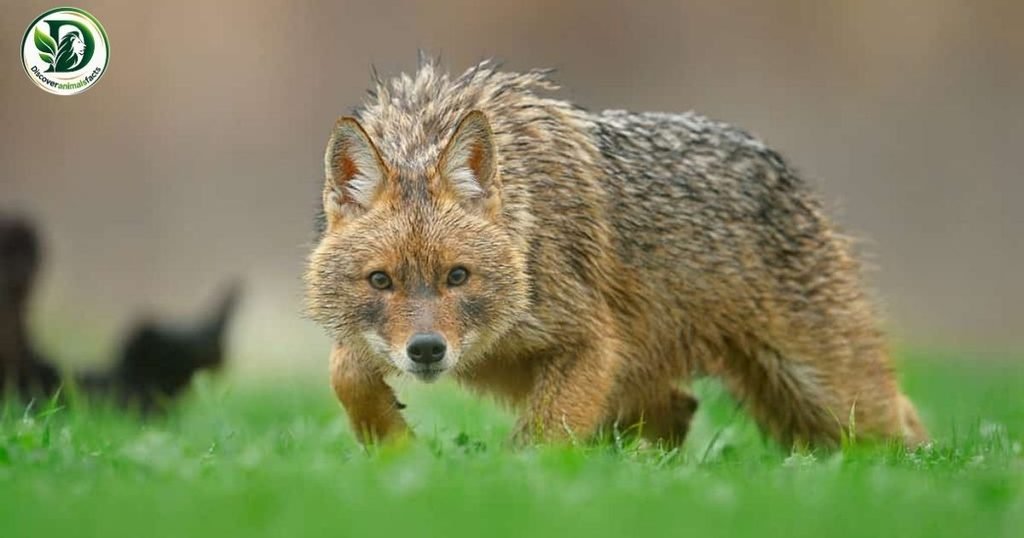
Fox like creatures, often revered for their cunning and adaptability, share their ecological niche with several intriguing animals, including jackals. Both creatures thrive in diverse habitats, from bustling urban landscapes to remote wilderness, showcasing their impressive survival skills. Jackals, known for their opportunistic feeding habits, often scavenge alongside foxes, creating a fascinating dynamic in the animal kingdom.
The social structure of jackals also contrasts interestingly with the more solitary nature of foxes. While foxes are primarily territorial and prefer a more independent lifestyle, jackals exhibit a pack mentality, often collaborating in hunting and raising their young.
This difference highlights the versatility of these species in their approaches to survival. Observing a jackal’s are cute animals like foxes and have clever hunting strategies can evoke a deeper appreciation for the evolutionary paths these canids have taken, revealing how varied their adaptations can be in response to changing environments.
Civets
- Scientific Name: Civettictis civetta
- Class: Mammalia
- Diet: Omnivore
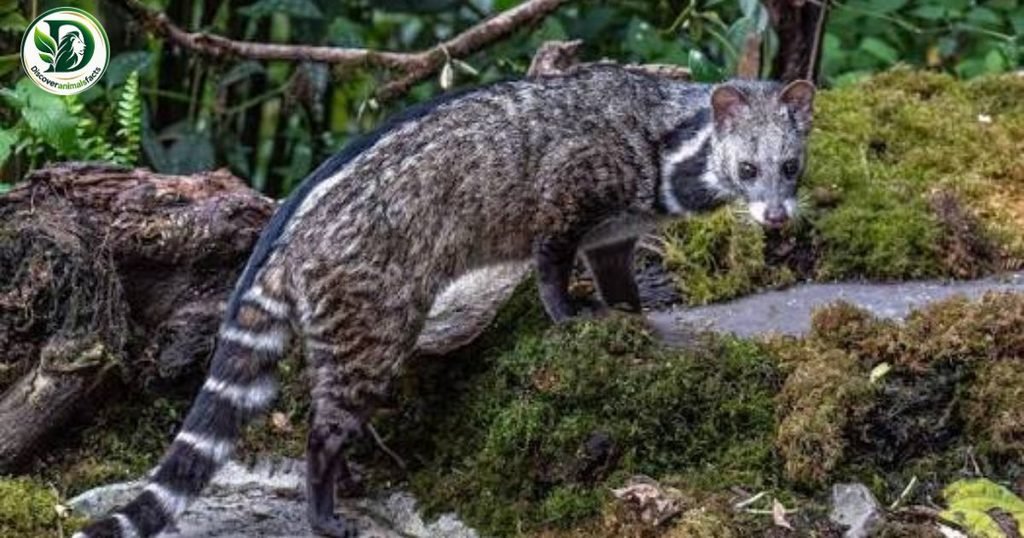
Civets, often overshadowed by more iconic wildlife, are fascinating creatures with their unique adaptations and behaviors. Resembling a mix between a ferret and a cat, these nocturnal mammals possess an intriguing blend of agility and curiosity.
Animals that look like foxes, civets are opportunistic feeders, exploring their surroundings to find fruits, insects, and small vertebrates. Their keen sense of smell not only helps them locate food but also plays a vital role in their mating behavior, making them essential players in their ecosystems.
What sets civets apart is their remarkable role in coffee production, specifically in creating the famed Kopi Luwak coffee. The civet’s digestive process enhances the coffee beans, imparting unique flavors that have garnered a global following. This relationship with coffee cultivation highlights the civets’ importance as a connector between nature and agriculture.
Domestic Dogs
- Scientific Name: Canis lupus familiaris
- Class: Mammalia
- Diet: Omnivore
Foxes share a fascinating kinship with domestic dogs, both belonging to the Canidae family. While domestic dogs have been selectively bred for specific traits, foxes retain their wild essence, showcasing a vibrant tapestry of adaptability.
This adaptability is evident as urban foxes gracefully navigate bustling city streets, creatively scavenging for food and forming unique survival strategies that sometimes mimic behaviors of their more domesticated cousins.
The social structures of foxes reveal intriguing parallels to those of dogs. Like, gray foxes often establish tight-knit family units, reminiscent of pack dynamics in dogs. This sense of community is essential for raising young and navigating the challenges of their environment.
Margays
- Scientific Name: Leopardus wiedii
- Class: Mammalia
- Diet: Carnivore
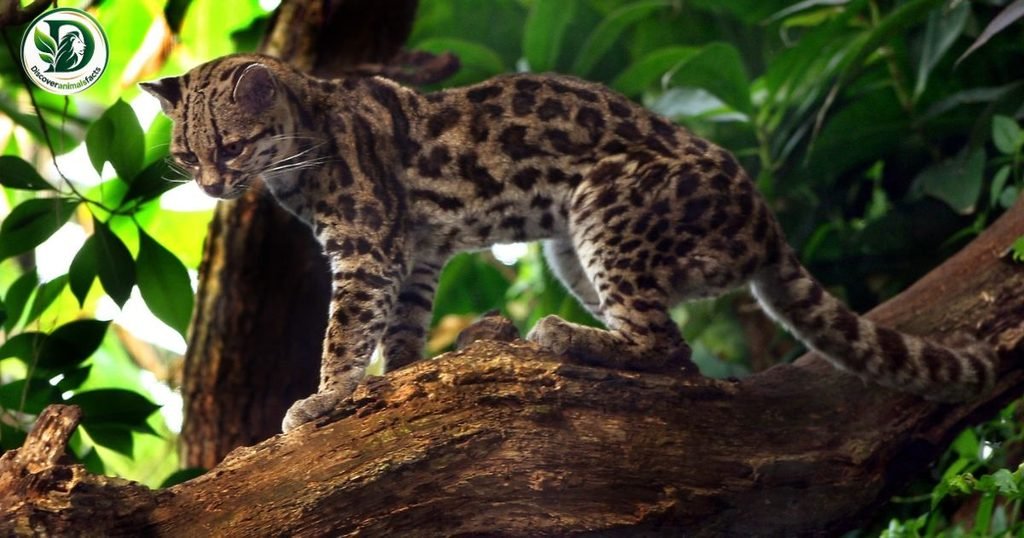
Margays, often overshadowed by their more famous feline cousins, share striking similarities with foxes, especially in their social flexibility and adaptability. These small wild cats, native to the forests of Central and South America, exhibit a remarkable blend of agility and cunning that rivals the cleverness of foxes.
Margays have the unique ability to climb with unprecedented prowess, a talent that allows them to navigate their arboreal home like a fox deftly weaving through urban landscapes. Both creatures demonstrate a high degree of intelligence, marginally different habitats shape their problem-solving skills, pushing them to innovate in securing food and establishing territory.
The nocturnal habits of both margays and foxes shed light on their adaptability to environment and lifestyle. They possess a keen sense of awareness, exploiting the cover of night to hunt while evading larger predators. This survival strategy echoes a common theme in the animal kingdom: the ability to thrive within diverse ecosystems.
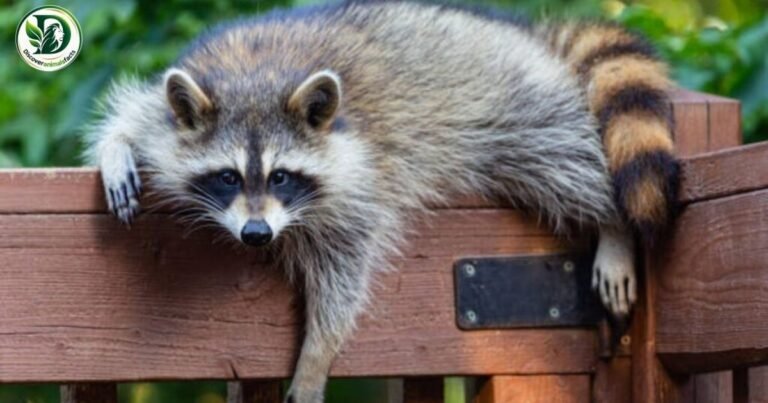
Raccoons
- Scientific Name: Procyon lotor
- Class: Mammalia
- Diet: Omnivore
Foxes share an intriguing kinship with raccoons, both embodying a remarkable adaptability that allows them to thrive in diverse environments. These clever creatures exhibit a remarkable social intelligence, often forming loose family groups that rely on cooperative behaviors for survival.
The solitary nature often attributed to foxes, raccoons demonstrate a playful social dynamic, frequently engaging in intricate hand-eye coordination when foraging for food. This dexterity not only enhances their hunting skills but also underscores their resourcefulness in urban settings, where they can often be spotted rummaging through garbage bins.
Both foxes and raccoons possess a keen sense of curiosity, which drives them to explore their surroundings extensively. This innate inquisitiveness has led to fascinating observational behaviors such as problem-solving and tool use, particularly in raccoons. When it comes to their diet, both animals exhibit omnivorous tendencies, often adapting their eating habits based on what is available.
If you are interested to explore about Top 10 Animals Without Tails: Tailless Species, so this is complete guide with facts.
Wolves
- Scientific Name: Canis lupus
- Class: Mammalia
- Diet: Carnivore
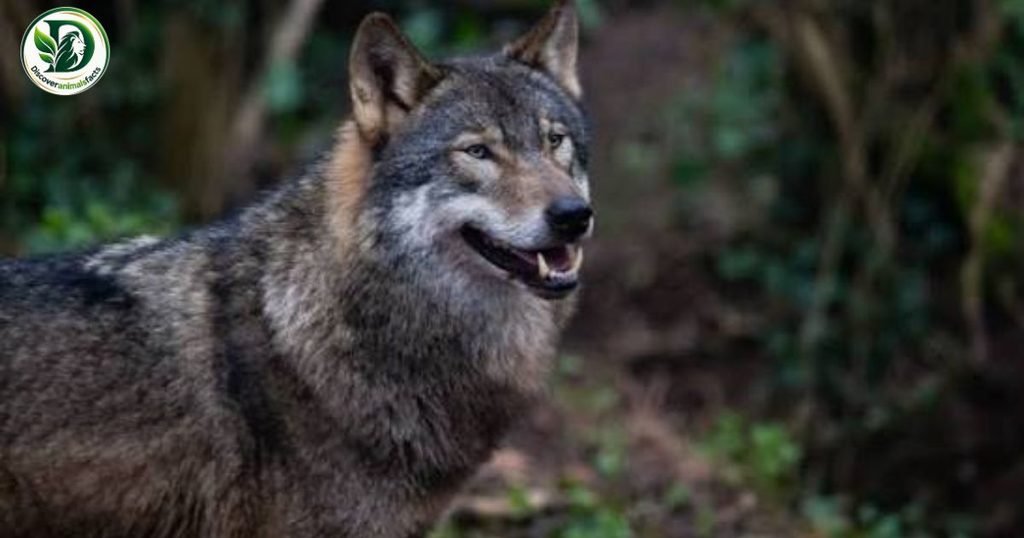
Animals similar to fox, often seen as the clever and cunning relatives of canines, share intriguing traits with their larger cousins, the wolves. Both species exhibit remarkable adaptability, thriving in diverse environments from dense forests to bustling urban landscapes.
This adaptability has allowed foxes to carve out a niche as cunning scavengers, often outsmarting typical predators through their intelligence rather than sheer strength. Wolves, known for their complex social structures and hunting strategies, showcase a stark contrast in pack dynamics compared to the often solitary nature of foxes.
Both animals communicate through an array of vocalizations from the haunting howl of a wolf to the distinctive barks and yips of a fox, each sound telling a story of survival, territory, or family bonds..
Skunks
- Scientific Name: Mephitis mephitis
- Class: Mammalia
- Diet: Omnivore
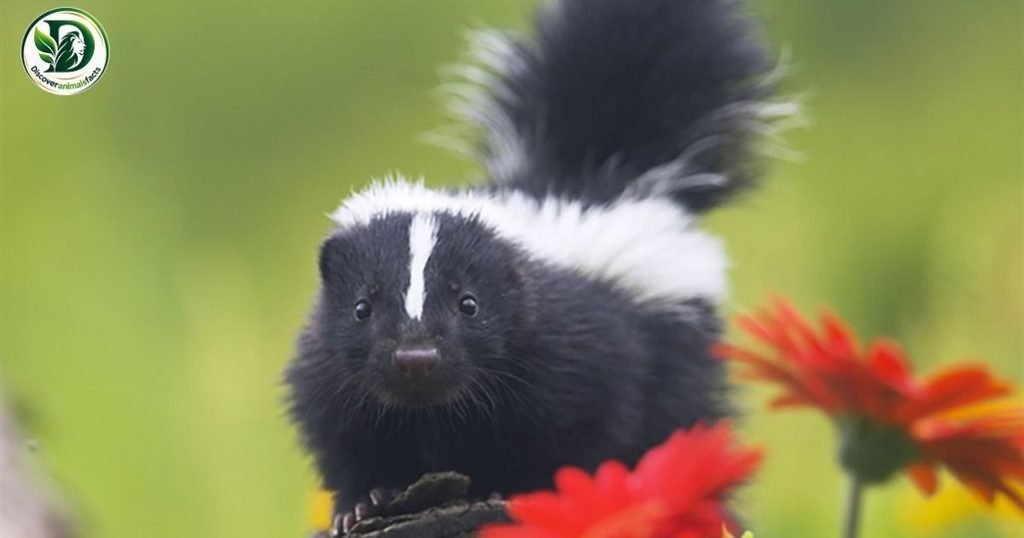
Skunks, often misunderstood and dismissed due to their notorious scent, share intriguing behavioral similarities with foxes. Both animals exhibit remarkable adaptability, thriving in diverse environments from urban areas to dense forests.
While foxes are celebrated for their cunning nature, skunks possess their own form of cleverness, using their potent spray as a unique defense mechanism. This ingenuity highlights a fascinating aspect of animal survival: how different species develop distinct strategies to thrive in a competitive ecosystem.
Interestingly, skunks and foxes also maintain a complex social structure. Foxes are known to form small, tight-knit family groups while skunks, despite their solitary reputation, may engage in social interactions during mating season or communal foraging. By observing these animals that look like a fox, we gain a deeper understanding of the delicate balance within ecosystems, where every creature plays a vital role.
African Wild Dogs
- Scientific Name: Lycaon pictus
- Class: Mammalia
- Diet: Carnivore
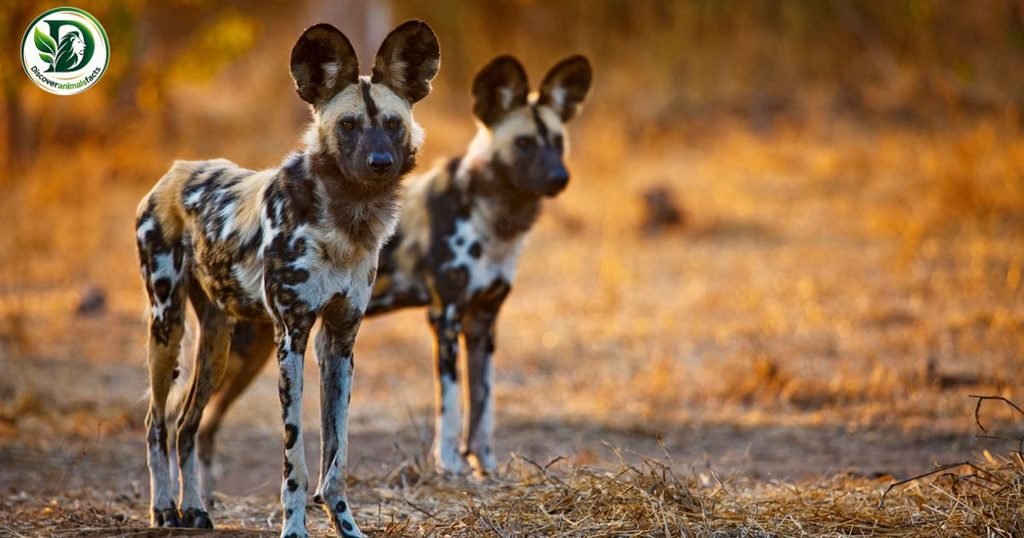
African Wild Dogs, also known as painted wolves, are one of the most fascinating yet misunderstood predators in the African savanna. Their intricate social structures rival those of primates, with packs functioning like tight-knit families.
This strong social bond not only enhances their hunting skills but also nurtures deep connections, where even the youngest members are cherished and taught essential survival skills by their elders. This communal approach to rearing pups ensures the future generation inherits both the wisdom and strength of the pack.
African Wild Dogs employ a dynamic form of endurance hunting, utilizing their incredible stamina to chase prey over long distances. This method is efficient, allowing them to tire out animals much larger than themselves, showcasing not just physical prowess but also strategic intelligence.
Cats
- Scientific Name: Felis catus
- Class: Mammalia
- Diet: Carnivore
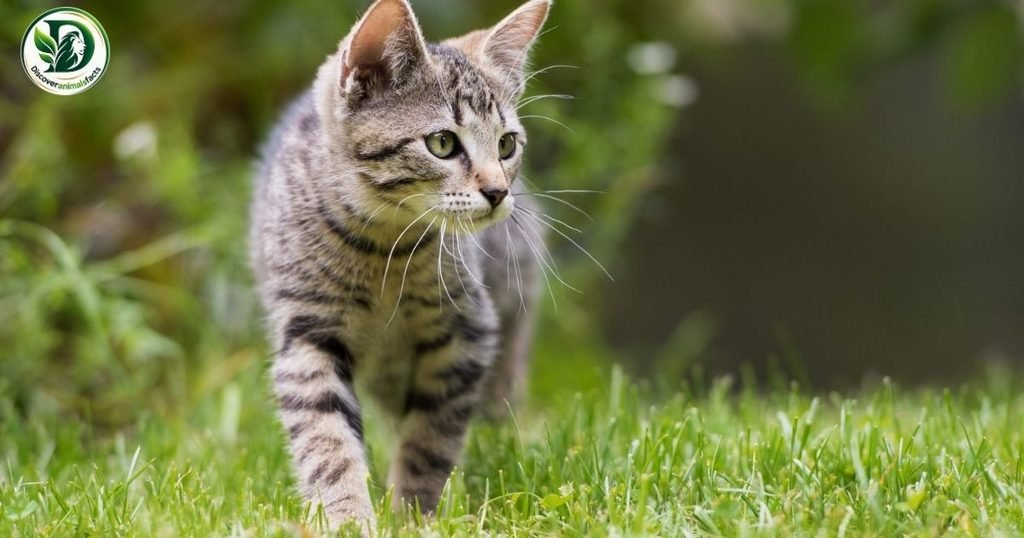
Cats are cool animals like foxes, often portrayed as cunning and savvy, share surprising traits with domestic cats that make them equally fascinating. Both species exhibit a remarkable blend of independence and sociability.
Just like cats, foxes rely heavily on their acute senses, especially their keen hearing and sharp vision, to navigate their environments. This adaptability allows them to thrive in diverse habitats, from urban landscapes to rural farmlands, revealing their resourcefulness in finding food and shelter.
Interestingly, the social dynamics of foxes mimic those of house cats, particularly in their playful nature and family bonds. While many cat aficionados appreciate the quirky antics of their pets, foxes also engage in spirited play, especially among siblings. This playful behavior not only strengthens familial ties but also hones their hunting skills.
Bat-Eared Foxes
- Scientific Name: Otocyon megalotis
- Class: Mammalia
- Diet: Insectivore
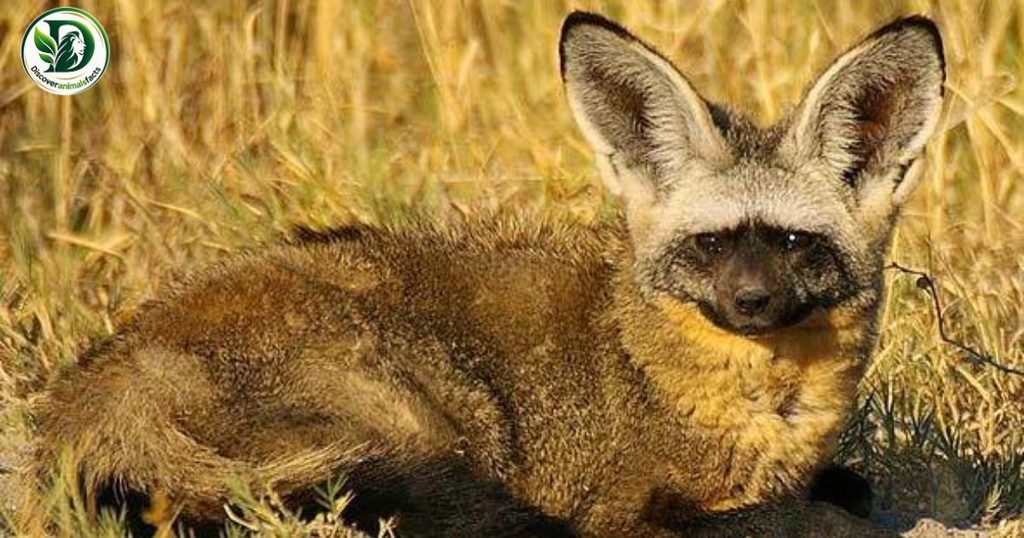
Bat-eared foxes, with their oversized ears and unusual foraging habits, stand out as a prime example of nature’s creativity. These fascinating creatures, indigenous to the African savannas, have adapted remarkably to their environment.
Their large ears aren’t just for show; they serve as vital tools for detecting the faintest sounds of insects underground, allowing them to locate and dig up food. This keen auditory sense, combined with a nocturnal lifestyle, makes them skilled hunters in a world where many predators are asleep.
Bat-eared foxes embody a unique social structure. Often seen in family groups, they exhibit cooperative behaviors, sharing food and caring for the young. This social dynamic not only strengthens their bonds but also enhances their survival rates in the wild.
If you are interested to explore about Top 20+ Animals That Eat Monkeys, so this is complete guide with facts.
Bobcats
- Scientific Name: Lynx rufus
- Class: Mammalia
- Diet: Carnivore
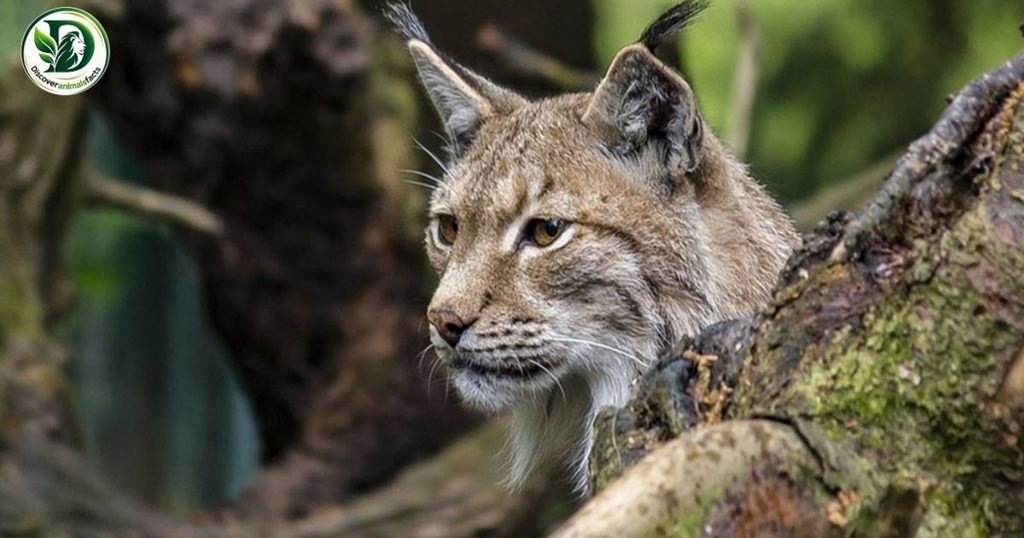
Bobcats, much like their cunning counterparts, the fox, embody a blend of agility and adaptability that makes them fascinating members of the wild. With their tufted ears and short tails, bobcats navigate diverse habitats, from dense forests to arid deserts, showcasing a remarkable ability to thrive in varied environments.
This feline’s stealthy hunting techniques and keen senses mirror the cunning strategies employed by foxes, both predators adept at exploiting the vulnerabilities of their prey. Bobcats possess a social structure that is both solitary and intriguing. The social foxes known for their vocal communication and family bonds, bobcats tend to lead a more solitary lifestyle, yet their territories can overlap, leading to occasional interactions.
Both animals showcase how survival is less about sheer strength and more about adaptability, intelligence, and a finely tuned relationship with their environment. As urban landscapes encroach on their territories.
Maned Wolves
- Scientific Name: Chrysocyon brachyurus
- Class: Mammalia
- Diet: Omnivore
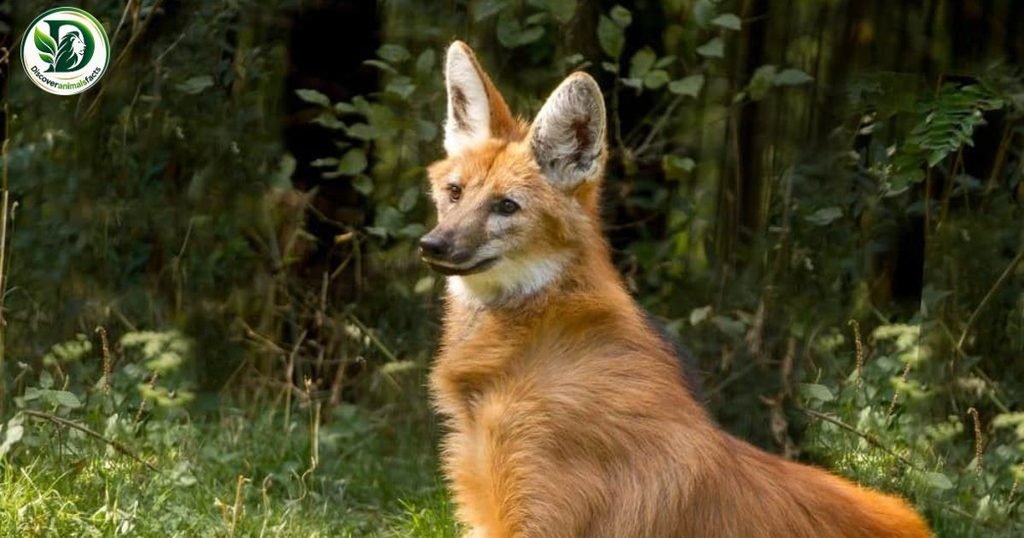
Much like the cunning foxes we’re familiar with, the Maned Wolf stands as a fascinating enigma of the animal kingdom. With its long legs and striking mane, this South American canid is often mistaken for a small wolf, but its diet and behavior tell a different story.
Primarily herbivorous, the Maned Wolf favors fruit and is particularly fond of the unusual yet delicious lobeira fruit, showcasing a unique ecological role in seed dispersal. This adaptability reflects an intricate balance with its environment, spotlighting the intricate relationships between predators and their surroundings.
Maned Wolves have a reputation for being relatively shy and elusive. They communicate through a series of vocalizations, including a haunting call that can resonate through the night, often mistaken for a child’s cry. This vocalization isn’t just a quirk; it plays a crucial role in territory establishment among these solitary hunters. Their keen sense of smell allows them to navigate vast landscapes, marking their territory with unique scents, a testament to their subtle but sophisticated social behavior in the wild.
Mongooses
- Scientific Name: Herpestes edwardsi
- Class: Mammalia
- Diet: Carnivore
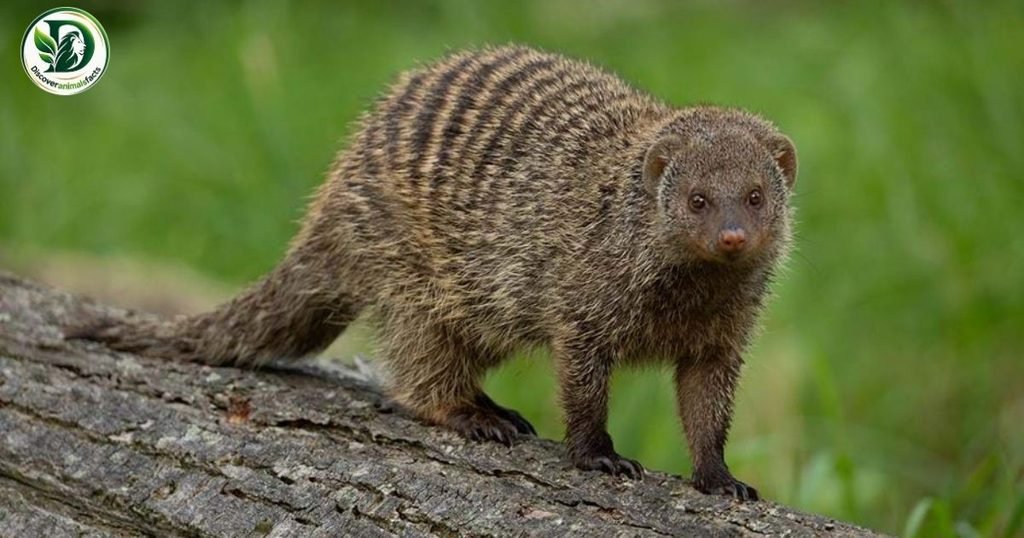
Among the diverse array of wildlife, mongooses stand out as fascinating creatures that share certain similarities with foxes. Both animals exhibit remarkable adaptability to various habitats, from urban areas to dense forests. Mongooses, much like foxes, are highly social and exhibit intricate behaviors, often living in family groups that work together to hunt and protect one another.
Their keen intelligence allows them to thrive in environments that challenge other species, showcasing a remarkable ability to problem-solve and communicate. What truly sets mongooses apart is their unique defense mechanism against snakes. While foxes are known for their cunning and stealth, mongooses possess a remarkable immunity to certain snake venoms, enabling them to confront these potentially lethal predators head-on.
Both animals remind us that intelligence and adaptability come in various forms, allowing them to thrive in urban and rural settings alike. Emphasizing their relationship with humans, mongooses and foxes have captured our imaginations, appearing in folklore and media as symbols of wit and resourcefulness.
Weasels
- Scientific Name: Mustela nivalis
- Class: Mammalia
- Diet: Carnivore
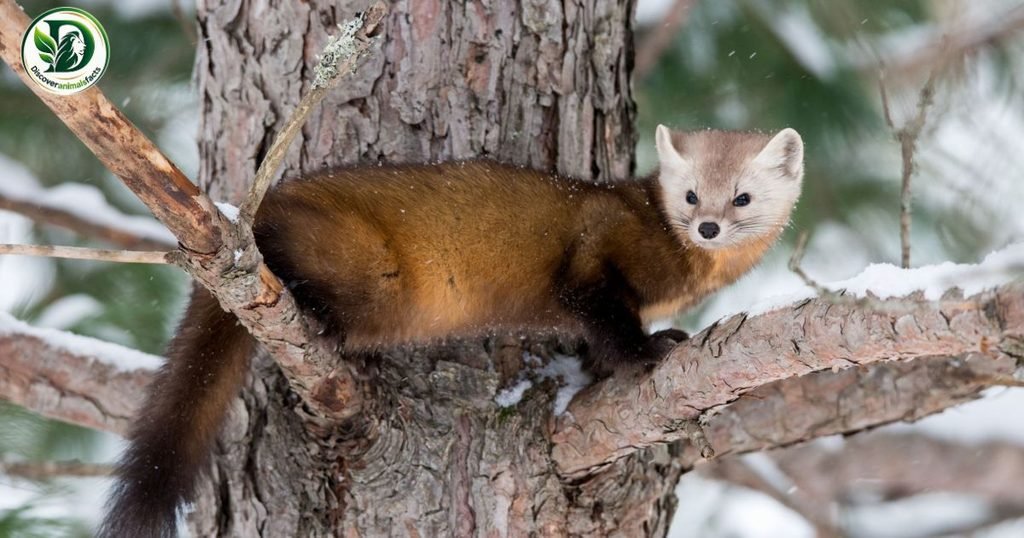
Weasels, much like their fox cousins, are fascinating creatures that embody both charm and cunning. These small yet agile mammals possess a remarkable ability to adapt to various environments, showcasing an evolutionary prowess that is often overlooked.
Their slender bodies and sharp instincts enable them to navigate tight spaces in pursuit of prey, making them formidable hunters despite their size. Unlike the social dynamics often seen in foxes, weasels are primarily solitary, relying on stealth rather than a pack mentality.
Their unique hunting strategies set them apart; weasels can take down prey much larger than themselves, employing a combination of speed and surprise. This precision mimics the clever tactics of foxes, who are equally adept in their pursuits. Interestingly, both species exhibit a fascinating array of vocalizations that communicate their emotions and intentions.
Raccoon Dogs
- Scientific Name: Nyctereutes procyonoides
- Class: Mammalia
- Diet: Omnivore
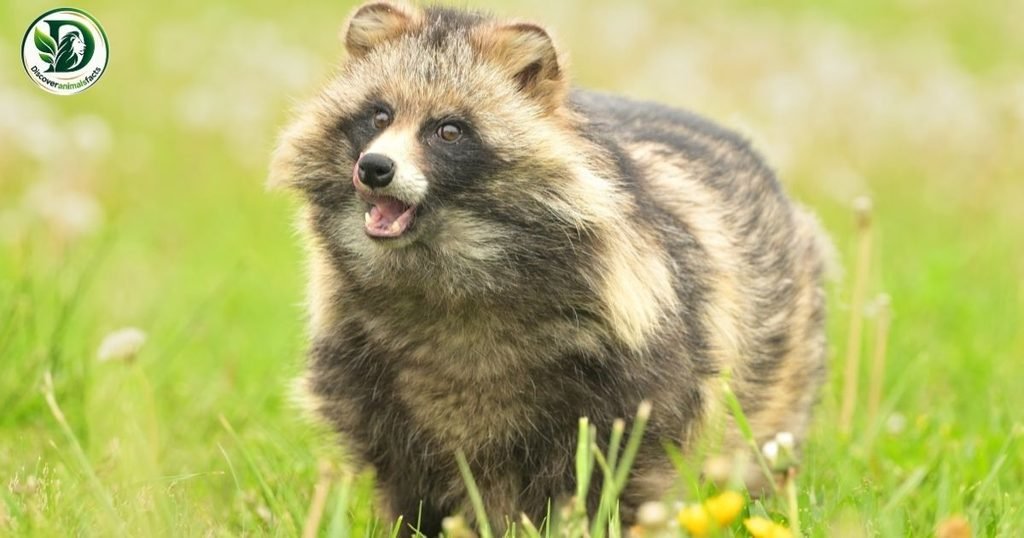
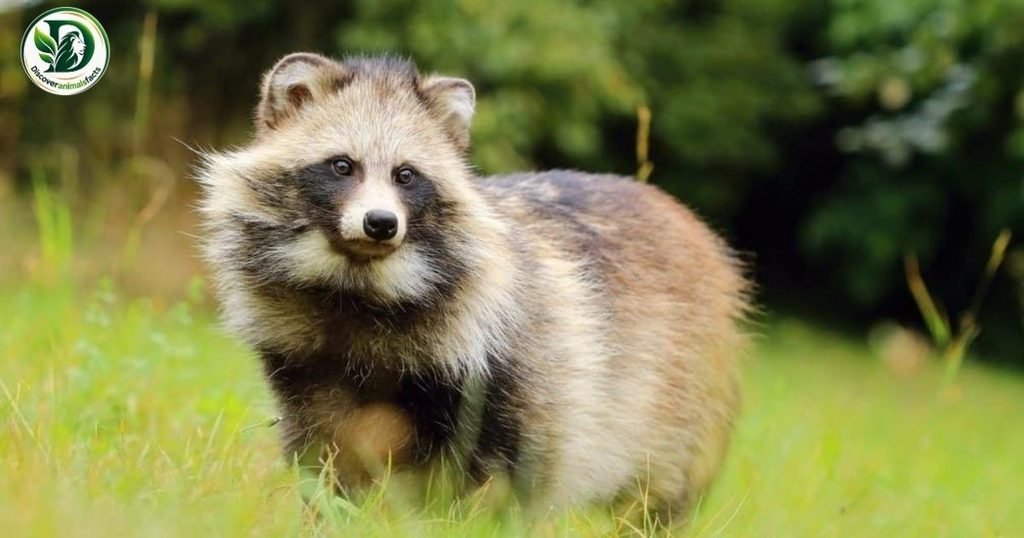
Among the charming creatures that share the same elusive qualities as foxes, raccoon dogs stand out for their unique characteristics and intriguing behaviors. These canids, native to East Asia, are often mistaken for raccoons due to their striking facial markings.
Their fox relatives, raccoon dogs exhibit a fascinating blend of traits; they are more closely related to wolves and domestic dogs, showcasing a versatile adaptability to various environments. Their playful, curious nature not only enhances their charisma but also highlights their unique role in folklore and culture across Japan and China.
They can thrive in diverse habitats, from temperate forests to urban areas, making them a testament to nature’s ingenuity. With a diet that ranges from fruits and insects to small mammals, these animals exhibit an omnivorous lifestyle that allows them to flourish in changing environments.
If you are interested to learn about Top 15 Cleanest Animals in The World , this is complete guide with facts & images.
Conclusion
Animals like foxes are not only fascinating for their adaptability and intelligence but also for their crucial role in maintaining ecological balance. Their unique behavioral traits and social structures make them a subject of interest for wildlife enthusiasts and researchers alike.
As urbanization encroaches upon their natural habitats, it’s vital for us to recognize the importance of conserving these remarkable creatures. By understanding their behaviors and habitats, we can promote coexistence rather than conflict.
FAQ’s
What are Animals Like Foxes and Wolves?
Animals like foxes and wolves belong to the family Canidae, commonly known as canines. This family includes various species characterized by their long snouts, sharp teeth, and acute sense of smell.
What Animals Like Foxes and Raccoons?
Foxes and raccoons are part of a diverse group of mammals that exhibit similar traits, particularly their adaptability and omnivorous diets. Animals like opossums, for instance, share their ability to thrive in urban environments, often scavenging for food and using den sites in backyards or parks.
What Sneaky Animals Like Foxes?
Many animals exhibit sneaky or cunning behaviors similar to foxes, often using stealth and clever tactics to thrive in their environments. One prime example is the raccoon, renowned for its dexterous paws and problem-solving skills.
What animal looks like a fox but isn’t?
One animal that closely resembles a fox but isn’t one is the fennec fox. Because it shares the ‘fox’ name, the fennec is a distinct species native to the Sahara Desert.
What are all 37 species of foxes?
The most commonly recognized species include the red fox (*Vulpes vulpes*), arctic fox (*Vulpes lagopus*), and fennec fox (*Vulpes zerda*). These species are characterized by their adaptability to various habitats, from tundras to deserts.