The Complete List of 15+ Animals With Pouches (With Images & Facts)
The majority of marsupials, renowned for their unique reproductive strategy, live in Australia and New Guinea. Let’s dive into the fascinating world of animals with pouches, exploring their incredible adaptations and behaviors.
Understanding these creatures not only enriches our appreciation for biodiversity but also sheds light on evolutionary processes. Join us as we uncover the secrets of pouch-dwelling animals and their remarkable life cycles.
List of 16 Animals With Pouches
Below is the list of animals with pouches pictures:
- Kangaroos
- Koalas
- Wallaby
- Tasmanian Devils
- American Opossums
- Musky Rat Kangaroo
- Echidna
- Sugar Gliders
- Sea Horses
- Quokkas
- Wombat
- Tree-Kangaroo
- Numbat
- Bandicoots
- Quoll
- Bilby
Kangaroos
- Scientific name: Macropus
- Class: Mammalia
- Diet: Herbivore
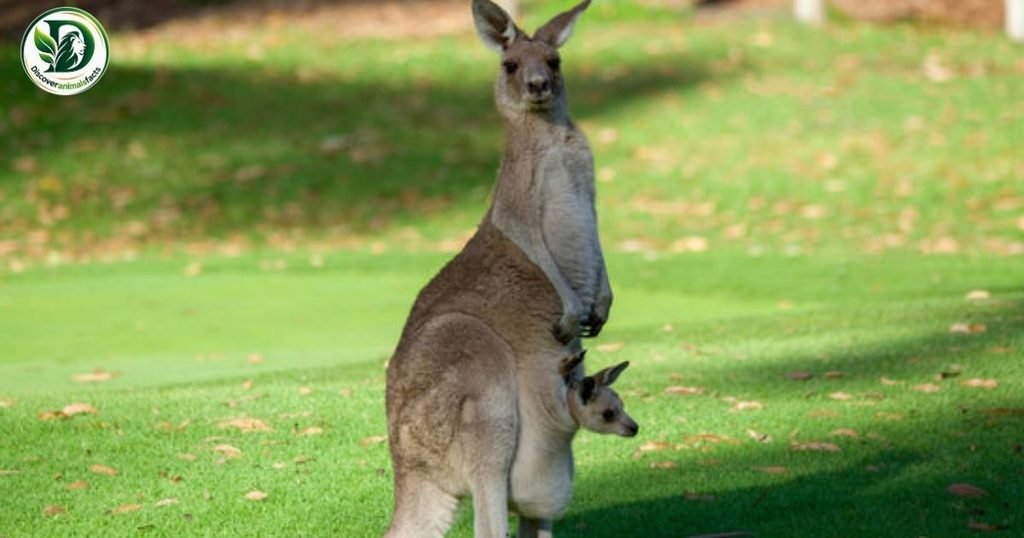
The most iconic animals with pouches for young are kangaroos, often considered symbols of Australia. These marsupials possess a remarkable adaptation that allows mothers to care for their young in a secure and nurturing environment. Initially tiny and underdeveloped, a joey receives vital nutrients and warmth while safely nestled in its mother’s pouch.
This unique method of gestation not only enhances the survival rate of the young but also allows the mother to remain mobile and active in their often harsh and unpredictable habitat. Kangaroos are not alone in the world of animals with pouches for their babies. Other marsupials, such as wallabies and opossums, showcase variations of this fascinating reproductive strategy.
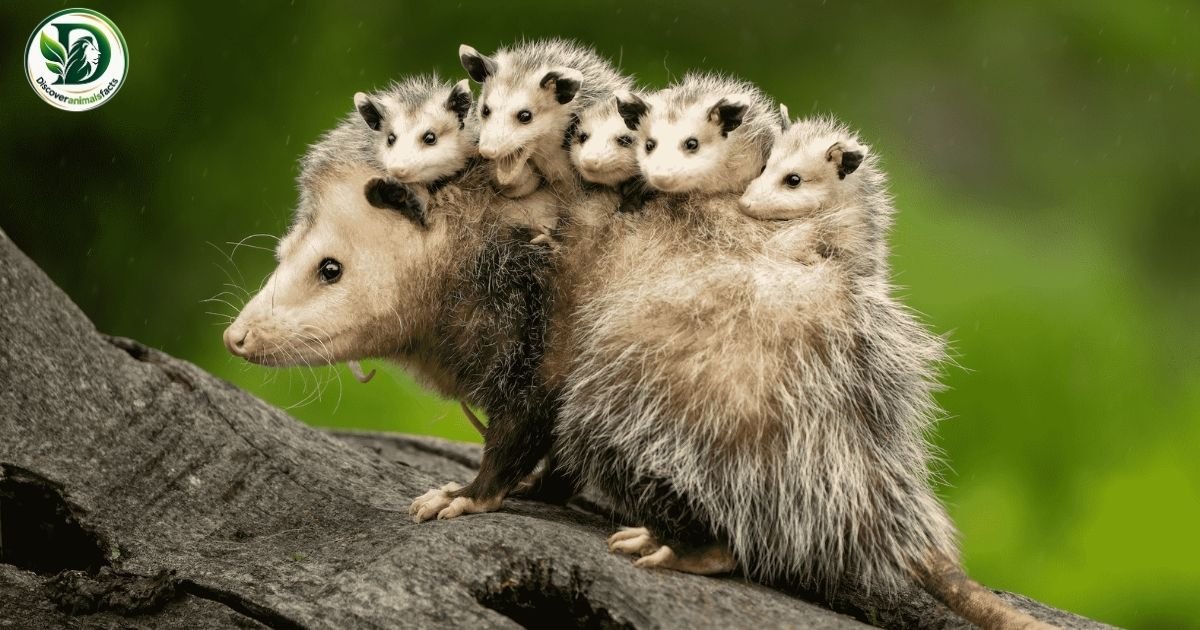
For instance, while a kangaroo’s pouch is primarily designed for nurturing a single offspring, the Virginia opossum can carry multiple babies at once, reflecting a diverse evolutionary trajectory. The pouch, therefore, is more than a simple anatomical feature; it represents an evolutionary innovation that highlights the complexity of life and survival in the animal kingdom.
Koalas
- Scientific name: Phascolarctos cinereus
- Class: Mammalia
- Diet: Herbivore
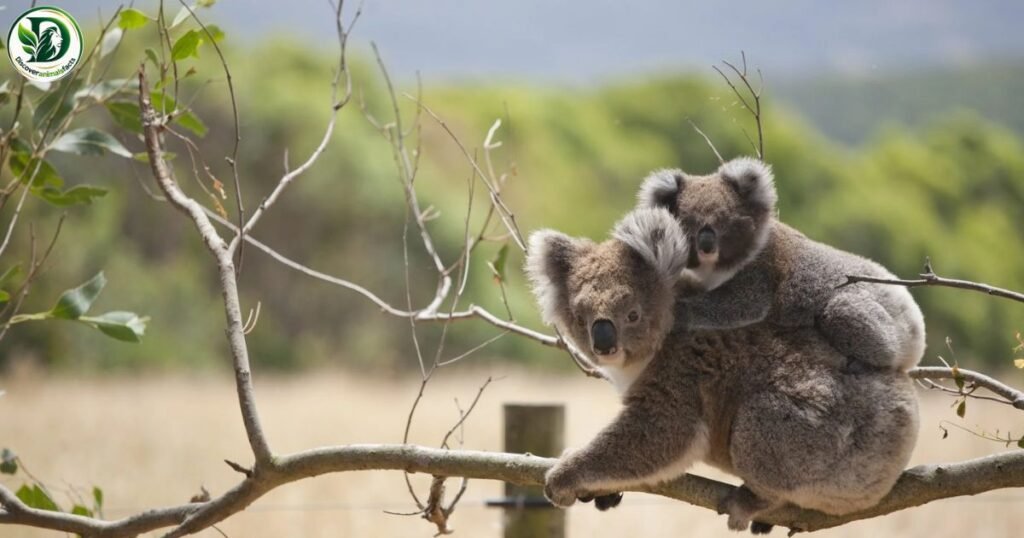
The most iconic pouch-bearing animals are koalas, often mistaken for bears but actually marsupials. These adorable creatures demonstrate a unique approach to parenting; a baby koala, called a joey, spends the first six months of its life nestled in its mother’s pouch, where it receives warmth and nourishment while developing.
This intimate bonding period is crucial, as joeys are born underdeveloped and rely entirely on their mother for survival in those early stages. Pouches serve as more than just a safe harbor; they also represent a remarkable evolutionary adaptation.
In the challenging climates of Australia, a koala’s pouch opens downward, preventing rain or debris from entering while allowing the joey to stay snug. This evolutionary trait not only enhances the survival odds of the young but also highlights the intimate relationship between animals and their environments.
Wallaby
- Scientific name: Agile Wallaby
- Class: Mammalia
- Diet: Herbivore
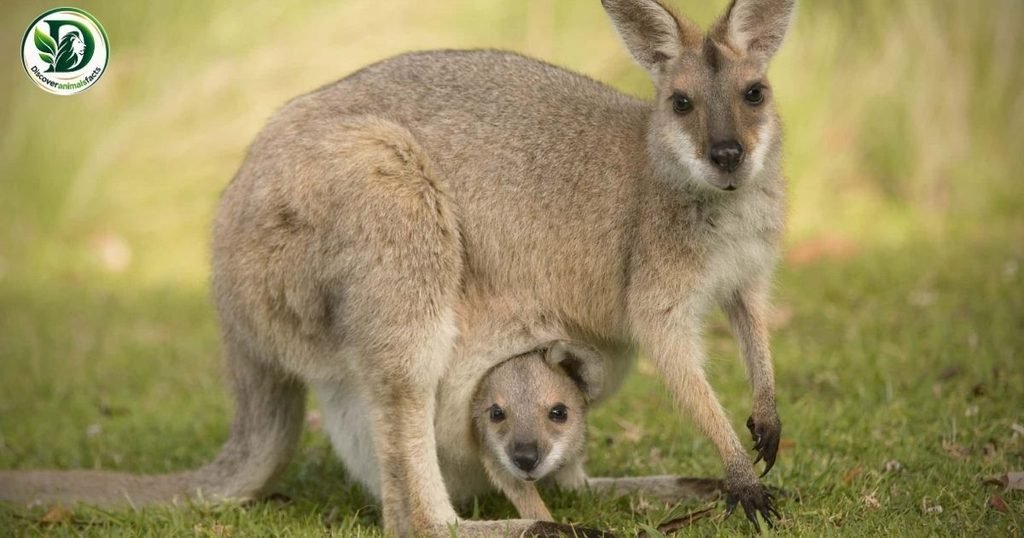
Pouches are a fascinating evolutionary adaptation found predominantly in marsupials, and one of the most charming examples is the wallaby. These agile creatures, often mistaken for kangaroos, exhibit a unique blend of grace and playfulness. Wallabies use their pouches not just for nurturing their young, but also as a safe haven where the tiny joeys, weighing mere grams at birth, can grow in a protected environment filled with warmth and maternal care.
This pocket, which can be surprisingly strong, helps wallabies maintain close bonds with their offspring, allowing them a nurturing phase that is crucial for development. But the significance of pouches extends beyond mere reproduction. For wallabies, they symbolize survival in a habitat filled with predators.
The ability to quickly stow away a young one when danger approaches not only showcases maternal instincts but also highlights the intricate bond between adaptation and survival. In a world where environmental challenges are constantly evolving, studying these adaptations in wallabies and other pouch-bearing animals can reveal valuable insights into resilience in nature.
Tasmanian Devils
- Scientific name: Sarcophilus harrisii
- Class: Mammalia
- Diet: Carnivore / scavenger
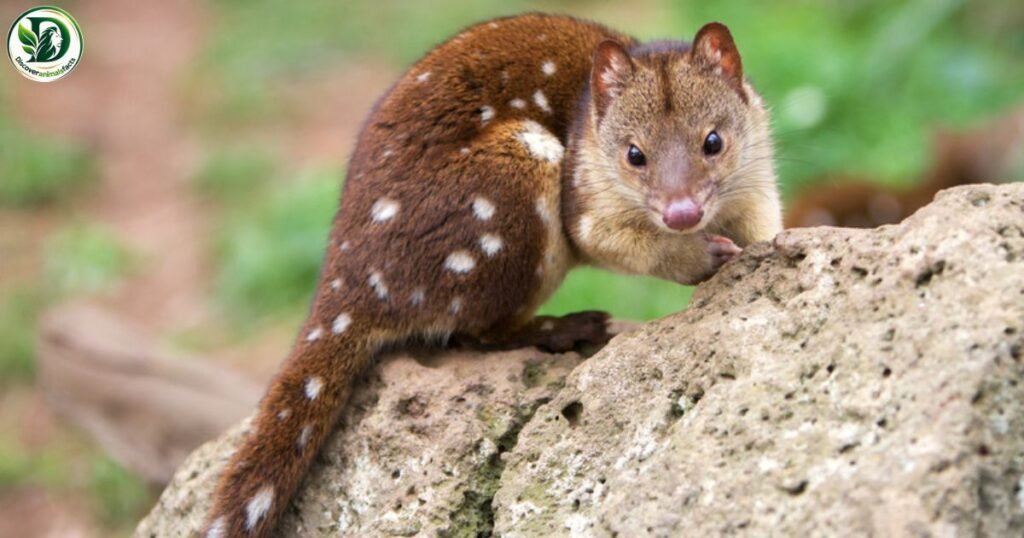
Pouches in the animal kingdom are not just fascinating structures; they represent an evolutionary adaptation that serves various purposes, primarily in nurturing young. Among the most intriguing examples are marsupials, like the Tasmanian Devil. These iconic creatures, often misunderstood due to their fierce reputation, rely on their pouches for more than just carrying their young.
In the wild, the pouch provides a safe haven, allowing infant Tasmanian Devils to develop securely during their fragile early months, detached from the dangers of predators and environmental hazards. Interestingly, the Tasmanian Devil’s pouch is oriented differently than that of kangaroos opening towards the rear.
This unique design prevents dirt and debris from entering the pouch as the female digs or eats. This adaptation not only ensures the safety of the young but also demonstrates the intricate connections that exist between anatomy and habitat. As we explore these adaptations, it becomes evident how essential they are for survival.
If you are interested you can see Top 20+ Animals That Eat Monkeys (With Pictures & Facts).
American Opossums
- Scientific name: Didelphis virginiana
- Class: Mammalia
- Diet: Omnivore
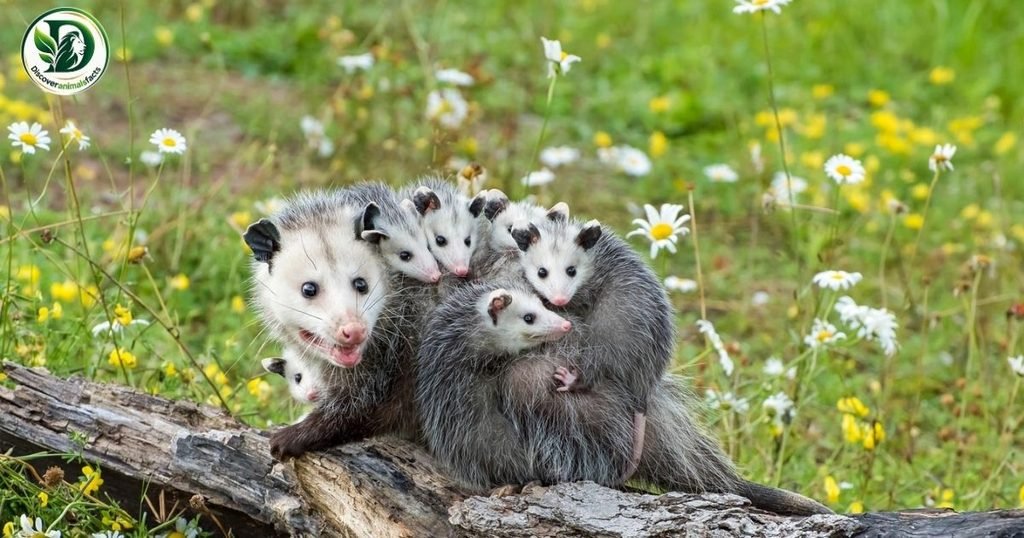
Among the intriguing world of pouch-bearing animals, the American opossum stands out as a remarkable survivor in a landscape dominated by mammals lacking this unique feature. With their ability to play dead as a defense mechanism, opossums display fascinating adaptability. Their pouches serve not just for nurturing young but also offer a safe haven for them during the chaotic moments of life.
This nurturing instinct is vital, as juvenile opossums are born underdeveloped and cling to their mother’s teats in the pouch for several weeks, experiencing rapid growth in safety. What truly sets the American opossum apart is its ecological role in controlling pests. Known for their voracious appetite for ticks, they help mitigate Lyme disease, acting as unsung heroes within their environments.
Their gentle nature contradicts common stereotypes, and studies reveal that they rarely carry rabies due to their low body temperature. This unique blend of quirks, from pouch nurturing to pest control, not only enhances their survival but also underscores the intricate balance of ecosystems. Recognizing the opossum for more than just its unusual appearance can deepen our appreciation of nature’s ingenious adaptations.
Musky Rat Kangaroo
- Scientific name: Hypsiprymnodon moschatus
- Class: Mammalia
- Diet: Omnivore / frugivore
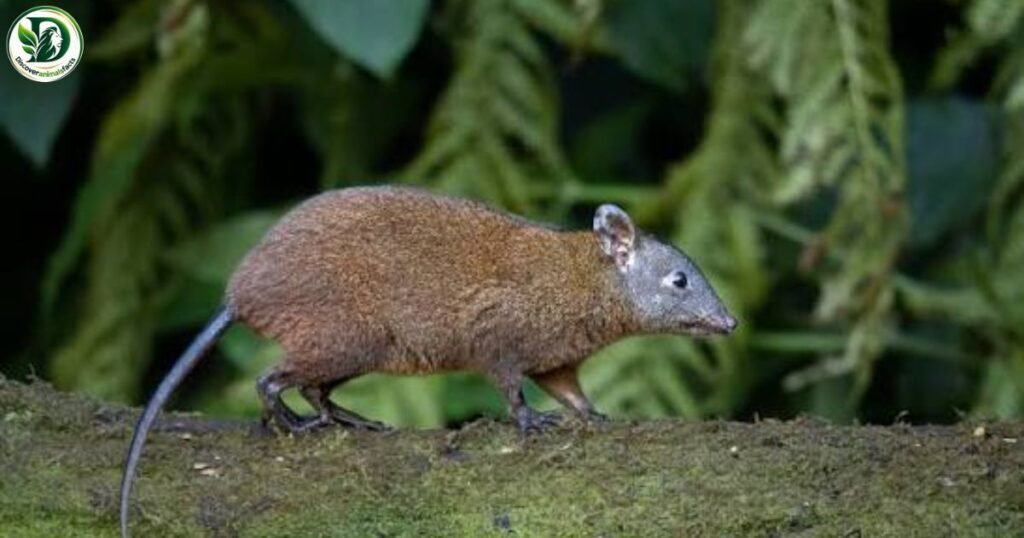
Among the diverse world of marsupials, the musky rat kangaroo stands out not just for its unique appearance but also for its fascinating lifestyle. This small creature, animals with pouches in Australia, found primarily in the rainforests of New Guinea, possesses an extraordinary ability to adapt to its environment.
Its larger kangaroo relatives, the musky rat kangaroo, is a proficient climber, using its strong limbs and sharp claws to navigate the dense underbrush while foraging for fruits, seeds, and fungi.The musky rat kangaroo’s pouch serves a dual purpose. While it’s primarily utilized for nurturing its young, it also acts as a storage space for food, allowing mothers to multitask in the wild.
This adaptability showcases a lesser-known aspect of marsupial behavior, revealing how these creatures have evolved to thrive in their respective habitats. By studying the musky rat kangaroo, researchers gain insight into the delicate balance of ecosystems and the interconnectedness of species, emphasizing the importance of preserving their lush rainforest home.
If you are interested to learn about Shy Animals in the World, this is complete guide with unique facts.
Echidna
- Scientific name: Tachyglossidae
- Class: Mammalia
- Diet: Insectivore
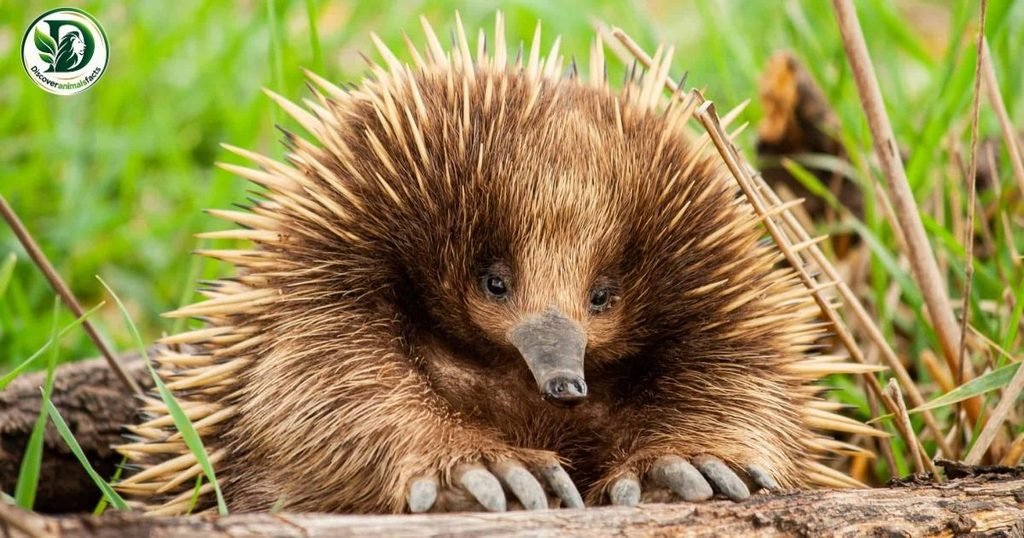
Among the remarkable animals equipped with pouches, marsupials often take center stage, but they are not alone in this fascinating evolutionary trait. Take the unique case of the echidna, one of the few monotreme mammals that lay eggs rather than giving birth to live young. While marsupials like kangaroos and koalas are celebrated for their nurturing pouches, the echidna boasts a specialized fold of skin that serves a similar purpose.
After laying her eggs, the mother echidna tucks them safely into this pouch-like structure, where warmth and protection help the developing young thrive. As we delve deeper into the evolutionary significance of these pouches, it’s fascinating to consider how they facilitate survival in diverse environments.
The echidna’s adaptation represents an intersection of traits that blend the features of reptiles and mammals, showcasing nature’s creativity. In contrast to the more conspicuously nurturing pouches of marsupials, the echidna’s strategy is subtle yet equally effective, emphasizing an extraordinary variation of reproductive methods in the animal kingdom.
Sugar Gliders
- Scientific name: Petaurus breviceps
- Class: Mammalia
- Diet: Omnivore
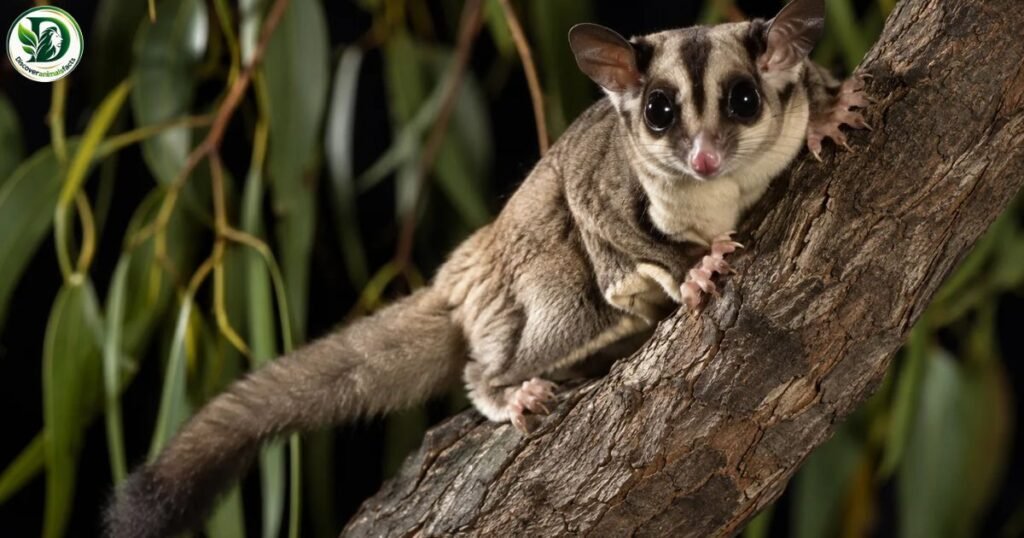
The enchanting world of pouch-bearing animals, sugar gliders stand out as true aerial acrobats. These small marsupials, native to Australia and New Guinea, boast a remarkable ability to glide through the night sky thanks to their unique membrane, known as the patagium, that stretches from their wrists to their ankles.
This adaptation not only allows for impressive aerial maneuvers but also aids in their foraging habits, enabling them to traverse vast distances in search of nectar and fruit. Observing a sugar glider take flight is like watching a tiny, furry superhero effortlessly soar from tree to tree.
Sugar gliders thrive in social colonies, creating a fascinating dynamic that mirrors human social structures. Their loud, playful vocalizations and affectionate grooming rituals emphasize the importance of community for these critters.
Sea Horses
- Scientific name: Hippocampus
- Class: Actinopterygii
- Diet: Carnivore
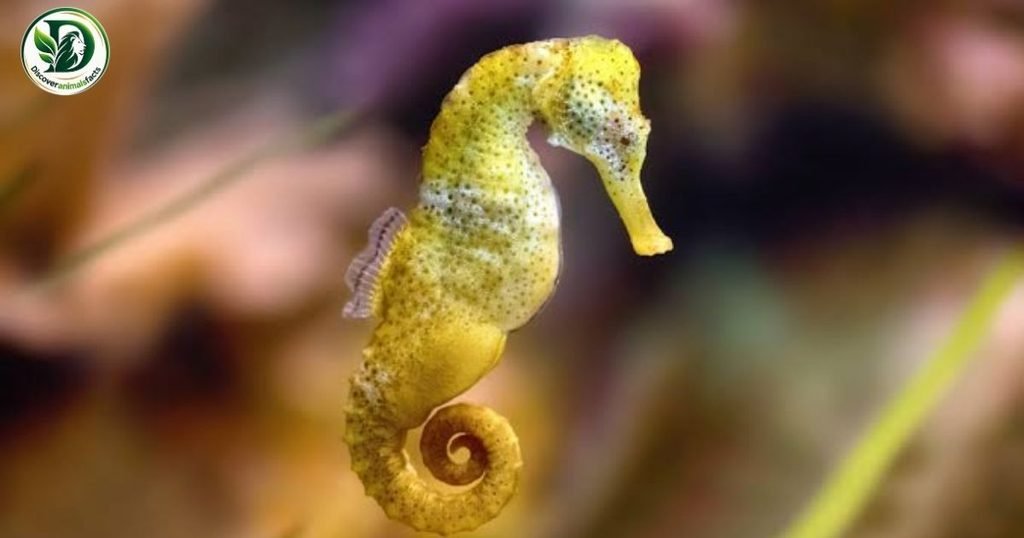
Pouch-bearing animals have evolved unique adaptations to enhance their survival, and one of the most fascinating examples of this are sea horses. Unlike the typical image of a pouch-filled creature, sea horses are the only fish species known to utilize a male brood pouch for reproduction.
This remarkable adaptation allows males to carry, nurture, and protect embryos until they are fully formed, offering a rare glimpse into a reverse parenting role within the animal kingdom. The sea horse’s pouch not only serves as a protective environment for developing young but also demonstrates an intricate blend of biology and behavior.
The males adjust the pouch’s salinity and nutrient levels to meet the needs of their offspring, showcasing a remarkable level of care. While many animals employ pouches for rearing their young, the sea horse stands out due to its unique reproductive strategy that challenges traditional roles in parenting and raises intriguing questions about the evolution of reproductive behaviors across species.
Quokkas
- Scientific name: Setonix brachyurus
- Class: Mammalia
- Diet: Herbivore
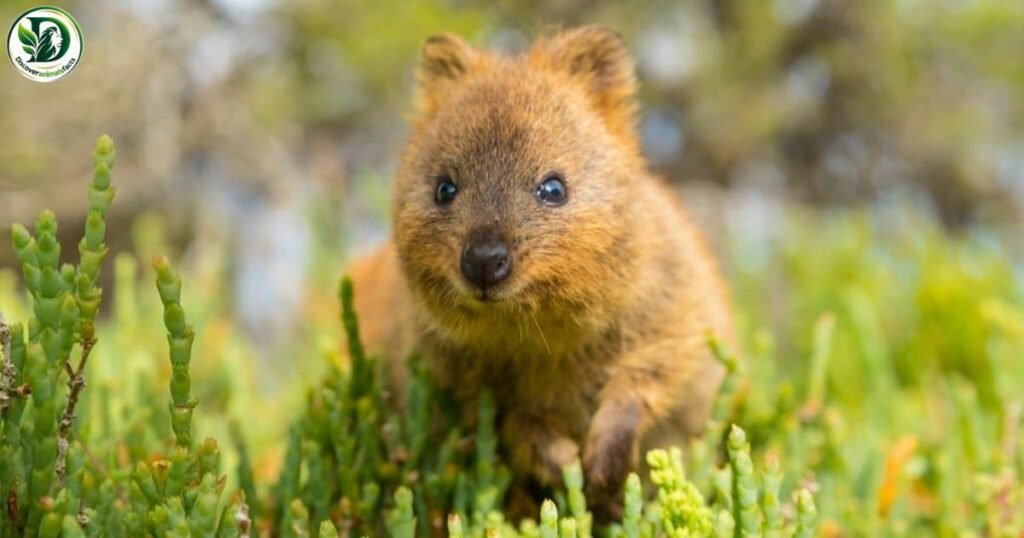
Quokkas, often dubbed the “world’s happiest animals,” are a standout among pouch-bearing creatures. These small marsupials, native to Australia, possess an endearing smile that has made them a social media sensation. However, beyond their photogenic charm, quokkas offer insights into the unique adaptations of pouch-bearing animals.
Their pouches not only safeguard their young but also allow the mother to be agile in escaping predators, showcasing evolution’s clever design tailored for survival in the wild. Quokkas are fascinating for their social behavior. Unlike many marsupials that lead solitary lives, these small creatures thrive in groups.
This sociability enables them to share information about food sources and predator threats, creating a communal survival strategy. Their playful disposition, combined with the protective aspect of their pouch, illustrates a remarkable balance between nurturing and adaptability in nature, making quokkas a captivating focus for anyone interested in the intricate web of animal behavior and evolution.
Wombat
- Scientific name: Vombatus ursinus
- Class: Mammalia
- Diet: Herbivore
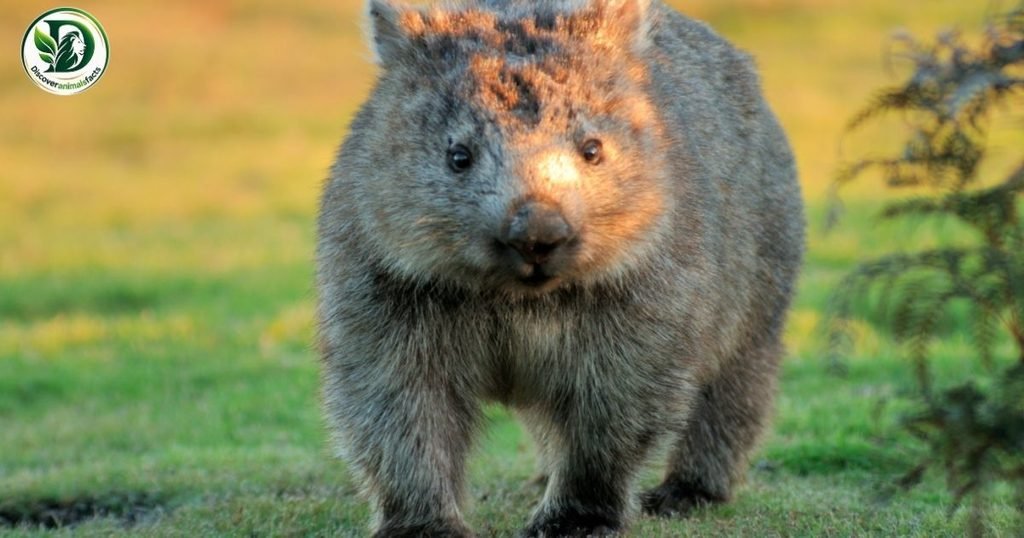
Wombats, those charming Australian marsupials, are a prime example of nature’s ingenuity in pouch design. Unlike their more famous kangaroo relatives, wombat pouches face backward, allowing these burrowing creatures to dig without hindrance.
This evolutionary twist not only protects their young but also facilitates their unique lifestyle, adapting perfectly to the rugged terrains of the Australian bush. Their fur-covered pouch is a marvel of adaptation; it ensures that the joey remains securely nestled while the mother digs through the ground.
Wombat joeys remain in the pouch for up to six months, developing in a safe environment before venturing out into the world. This nurturing strategy showcases the balance of survival and care, reminding us of the intricate bonds found in nature. Just as wombats have adapted their pouches for survival, they embody the resilience of wildlife in ever-changing habitats.
Tree-Kangaroo
- Scientific name: Dendrolagus
- Class: Mammalia
- Diet: Herbivore
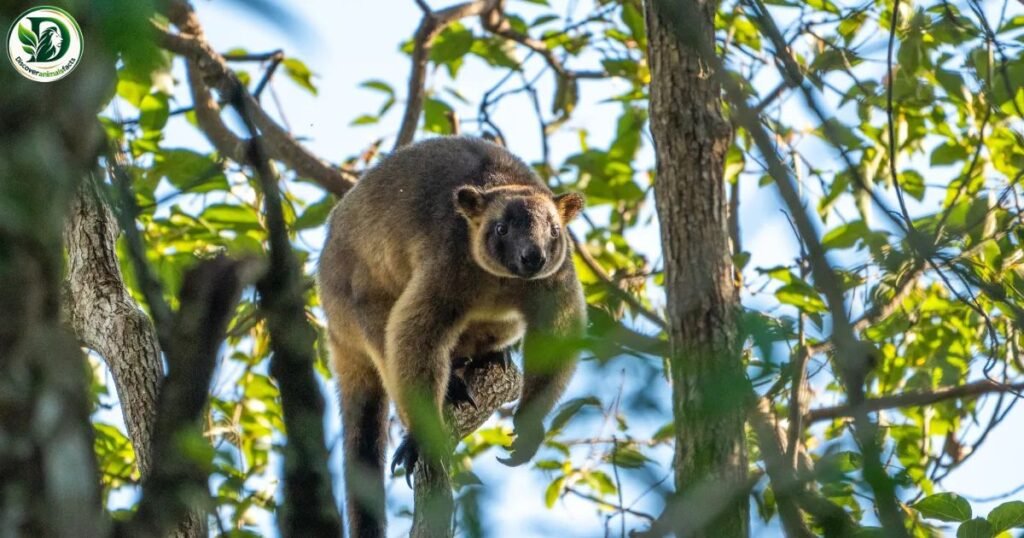
The myriad of creatures that sport pouches, the tree-kangaroo stands out due to its unique arboreal lifestyle. Unlike its terrestrial relatives, this marsupial has adapted to life high in the trees, developing powerful limbs and a long tail for balance.
This adaptation allows it to traverse the canopy of the rainforest, foraging for a diet rich in fruits, leaves, and flowers, while also evading potential predators lurking below. The tree-kangaroo’s pouch plays a crucial role in nurturing its young in a challenging environment.
The most marsupials that give birth to relatively undeveloped young, the tree-kangaroo’s offspring, enjoy a more extended period of development within the safety of the pouch. This allows them to absorb nutrients and strengthen, ensuring they are better equipped for the rigors of life in the treetops once they emerge.
Numbat
- Scientific name: Myrmecobius fasciatus
- Class: Mammalia
- Diet: Insectivore
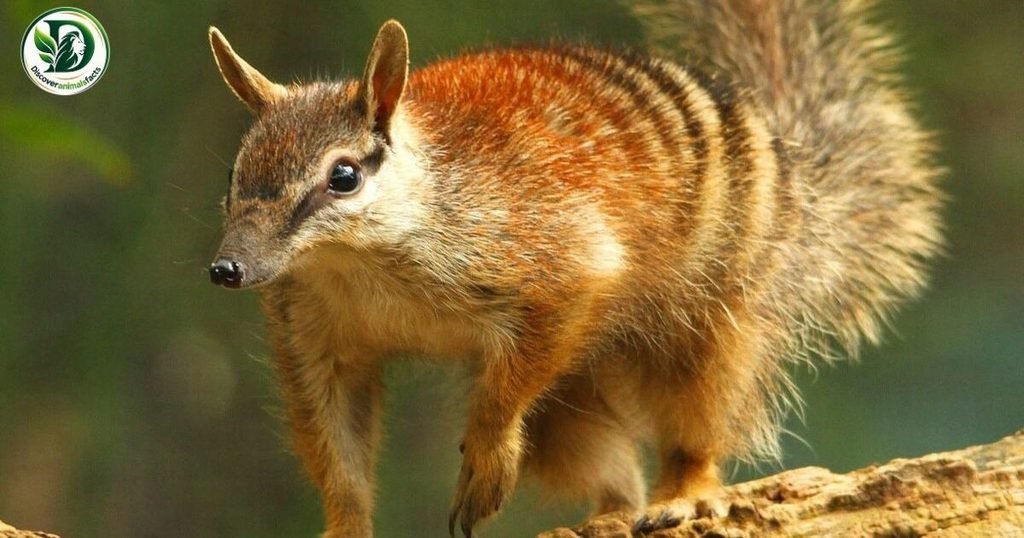
The numbat, a small marsupial native to Australia, showcases the unique functionality of animals that have pouches. Unlike most marsupials that carry their young in pouches primarily for protection, the numbat’s pouch serves a vital role in nurturing its offspring.
Positioned backward, the pouch helps keep dirt and debris out while the mother forages for the termites that dominate her diet, illustrating a fascinating adaptation to its environment. The numbat’s diet is a testament to the intricate balance of ecosystems.
With their specialized feeding habits, these charming creatures help control termite populations, maintaining the integrity of their habitats. This highlights how pouch-bearing animals like the numbat contribute not only to their species’ survival but also to ecological health. Understanding these connections invites a greater appreciation for the intricate web of life and the unique adaptations that exist within it.
If you interested to explore about List Of Animals Like Foxes , so this is complete guide with facts.
Bandicoots
- Scientific name: Long-nosed bandicoot
- Class: Mammalia
- Diet: Omnivore
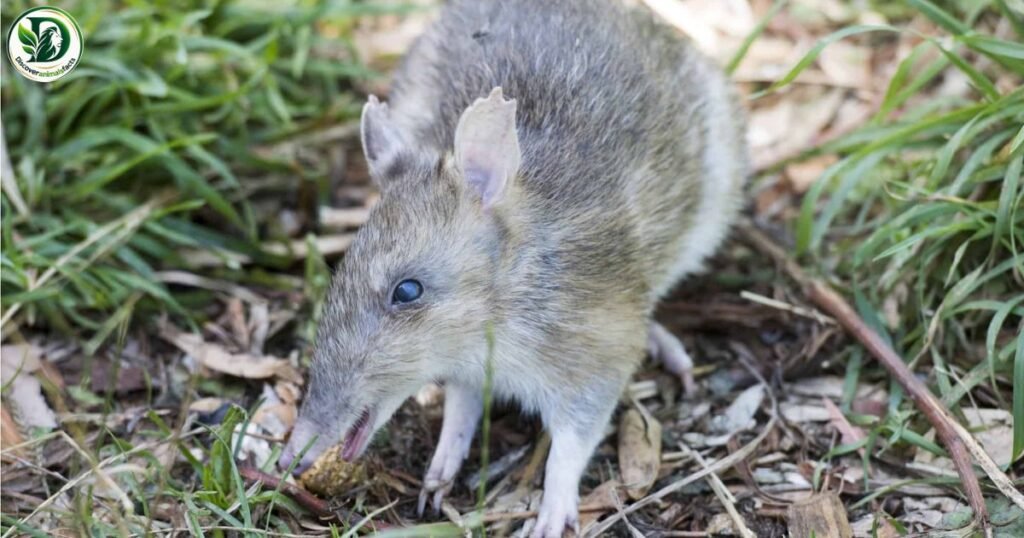
The unique inhabitants of the world’s ecosystems, bandicoots stand out as fascinating examples of pouch-bearing mammals. These nocturnal creatures utilize their pouches not only for carrying young but also for foraging. Unlike kangaroos, whose pouches face forward, bandicoot pouches face backward, allowing them to dig and rummage through leaf litter without risking their offspring’s safety.
This evolutionary adaptation showcases the diversity of pouch functionality among marsupials. Bandicoots play a critical role in their habitats, serving as ecological engineers by aerating the soil and controlling insect populations. Their foraging behavior, primarily focused on invertebrates, helps maintain a delicate balance within their ecosystems.
As they search for food, their digging creates small burrows that can benefit plant growth and other wildlife. Sadly, habitat destruction and predation from invasive species pose ongoing threats to these remarkable animals, highlighting the need for effective conservation efforts.
Quoll
- Scientific name: Dasyurus
- Class: Mammalia
- Diet: Carnivore
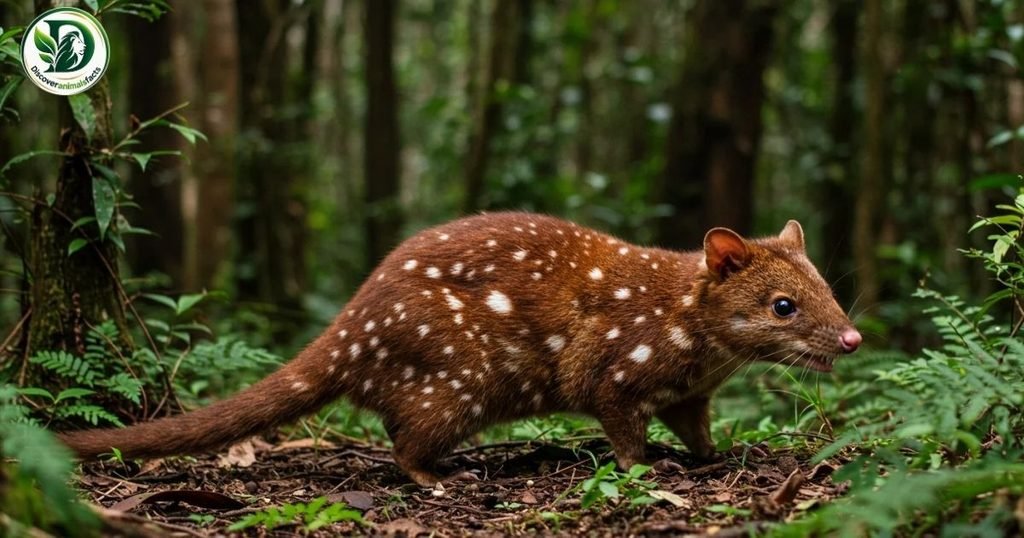
In the fascinating world of marsupials, the quoll stands out not just for its adorable spotted coat but also for its remarkable adaptability. These small, carnivorous mammals, native to Australia and New Guinea, exhibit a unique blend of traits that make them intriguing from an ecological standpoint. Many other pouch-bearing creatures, quolls are adept at hunting and foraging offering vital roles in their environments as both predators and prey.
Their skilled tree-climbing abilities allow them to traverse a range of habitats, from rainforests to dry woodlands, highlighting their ecological flexibility. The quoll’s pouch serves a dual purpose: it protects the young while also facilitating their rapid growth. In stark contrast to larger marsupials, quoll mothers can often be seen nursing their young, who cling tightly in the confines of the pouch as they rapidly develop.
This unique reproductive strategy enables quolls to thrive in various conditions, but it also highlights the challenges they face with habitat loss and climate change. As we delve into the lives of these captivating creatures, it becomes clear that the quoll is not only a symbol of resilience but also a reminder of the delicate balance that sustains ecosystems we often take for granted.
Bilby
- Scientific name: Macrotis lagotis
- Class: Mammalia
- Diet: Omnivore
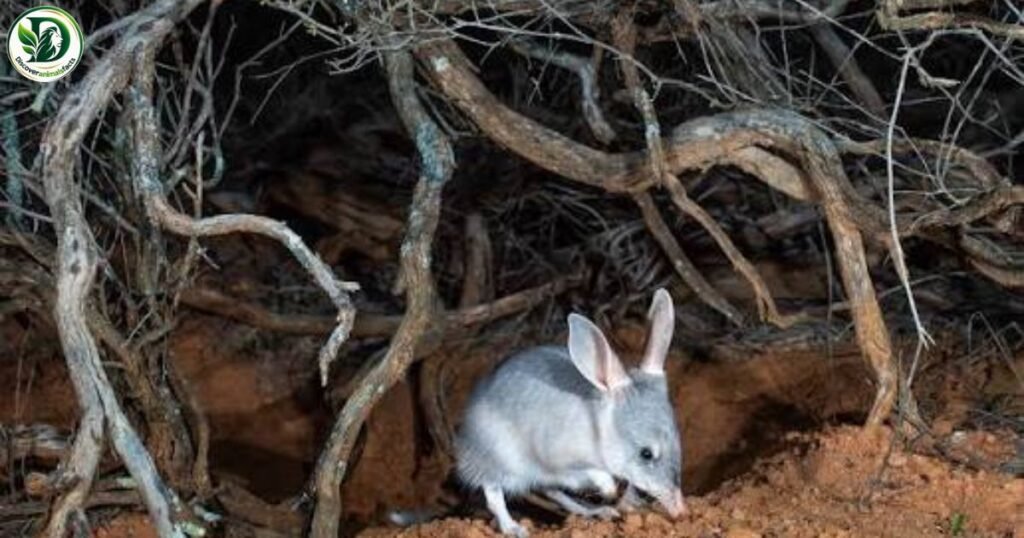
Nature’s design often inspires wonder, and animals with pouches exemplify this beautifully adaptive trait. Among the most intriguing is the bilby, a nocturnal marsupial native to Australia. With its striking long ears and delicate snout, the bilby not only captures our attention but also plays a crucial role in its ecosystem.
These little diggers have been known to burrow into the earth, aerating the soil and helping to promote plant growth, showcasing how a simple pouch can be part of a larger tapestry of environmental health. What many might not realize is the versatility of a pouch. For the bilby, it serves a dual purpose: staying safe while carrying precious young.
This unique aspect of their reproduction allows the young to develop in a protective environment, making them more resilient in the wild. The pouch’s structure aids in foraging, allowing the mother to gather food while keeping her young secure, a fascinating example of evolutionary efficiency.
If you are seeing a Top 10 Animals Without Tails , this is complete guide with facts and pictures.
Conclusion
Animals with pouches for babies , such as kangaroos and wallabies, showcase a remarkable evolutionary adaptation that allows them to nurture and protect their young. This unique reproductive strategy not only enhances the survival of their offspring but also highlights the incredible diversity found within the animal kingdom.
The role of pouches in these species reflects their environmental challenges and ecological niches. As we continue to study and understand these fascinating creatures, we gain insights into the complexities of evolution and adaptation. Let’s appreciate and protect these extraordinary animals and their habitats, ensuring that future generations can marvel at their wonders.
FAQ’s
Which animals with pouches like kangaroos ?
Animals with pouches are primarily marsupials, which are best known for the unique way they give birth and nurture their young. The most famous of these are kangaroos and koalas, both native to Australia. Other marsupials with pouches include wallabies, wombats, and opossums. While the specific structure and function of the pouch can vary, they all serve a similar purpose.
Do female kangaroos have a pouch?
Yes, female kangaroos do have a pouch, which is a distinctive feature of their anatomy. The pouch serves a crucial purpose in nurturing and protecting their young, known as joeys, during the early stages of development.
Which male animal has a pouch?
The male seahorse is one of the most unique examples of a male animal with a pouch. In a fascinating twist on traditional reproductive roles, the male seahorse has a brood pouch located on its abdomen.
Which animals with pouches name?
Five well-known animals that are marsupials are the kangaroo, koala, wombat, Tasmanian devil, and opossum. These mammals are known for giving birth to tiny, under-developed young that usually grow inside a special belly pouch.
Animals with pouches are called?
Animals with pouches are primarily known as marsupials. This unique reproductive trait allows them to carry and nurse their young in a pouch after giving birth. Marsupials are most commonly found in Australia and New Guinea, but they also inhabit the Americas. Well-known examples include kangaroos, koalas, and opossums.
How many animals have pouches?
Animals with pouches are primarily found in the group known as marsupials. This diverse category includes around 330 species, with the most well-known being kangaroos, koalas, and wombats. Marsupials are predominantly located in Australia and New Guinea, though some species can also be found in the Americas, like the opossum.