Top 10 Animals Without Tails: Tailless Species, (With Pictures & Unique Facts)
In a world where tails are often seen as essential for balance and communication, the existence of animals without tails challenges our preconceived notions of adaptations in nature. These remarkable creatures have evolved unique traits that allow them to thrive despite their lack of a tail.
Understanding the lives of Land animals without tails sheds light on the incredible diversity of survival strategies in the animal kingdom. This article explores various tail-less species, revealing fascinating insights into their behaviors, habitats, and the roles they play in their ecosystems.
List Of Animals Without Tails
Below is animals without tails list:
- Koala
- Guinea Pig
- Frogs and Toads
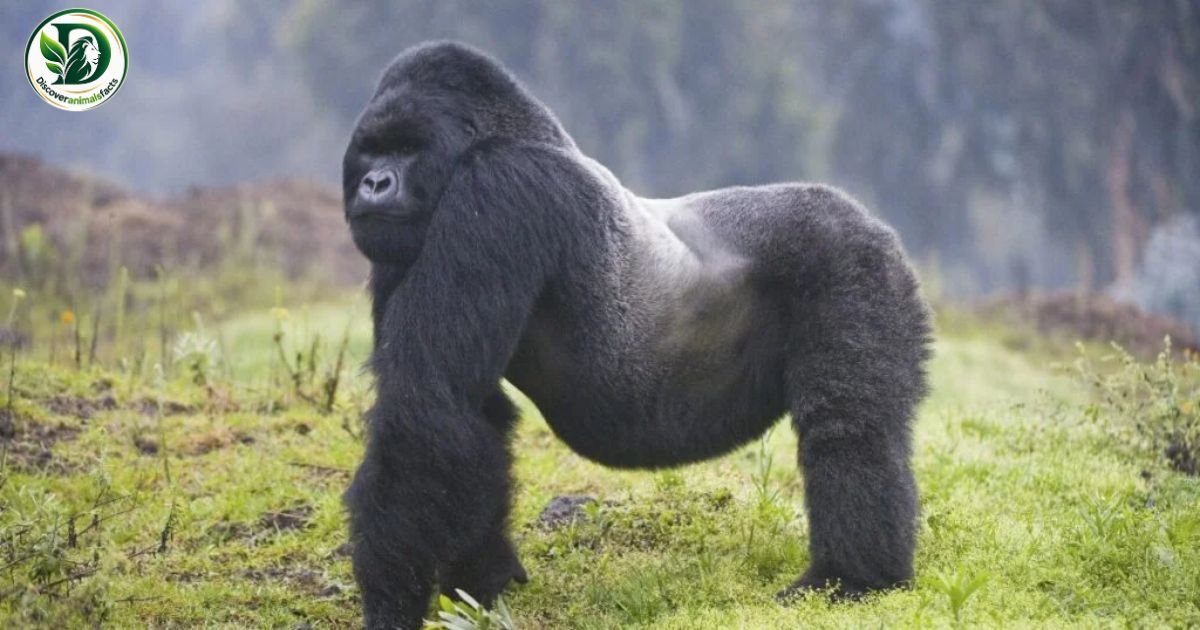
- Apes
- Barbary Macaque
- Manx Cat
- Capybara
- Spiders
- Kiwi Bird
- Octopus
Koala
- Scientific Name: Phascolarctos cinereus
- Class: Mammalia
- Diet: Herbivore
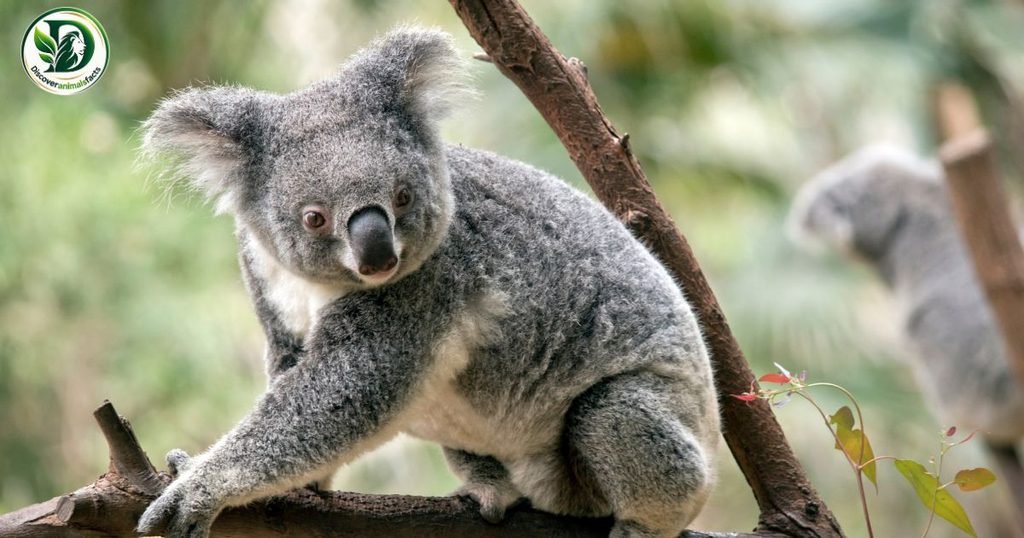
Animals without tails often intrigue us, showcasing the fascinating adaptations that nature has fashioned in various species. Take the koala, for instance; this iconic marsupial possesses a unique physique that sets it apart from many mammals. If you want you can also see Top 6 Animals With Tusks. These are the animals with no tail.
While they lack a traditional tail, koalas use their strong limbs to navigate their eucalyptus-filled habitats, demonstrating that adaptation can come in various forms. Their absence of a tail doesn’t hinder their ability to climb; in fact, their strong forelimbs and grasping digits make them expert tree dwellers.
Interestingly, many tail-less animals, like the manatee or certain species of frogs, have evolved in environments where a tail is either unnecessary or even a hindrance. Without a tail to manage, these creatures focus their energy on other adaptations, like enhancing their swimming capabilities or developing a more streamlined body shape.
Guinea Pig
- Scientific Name: Cavia porcellus
- Class: Mammalia
- Diet: Herbivore
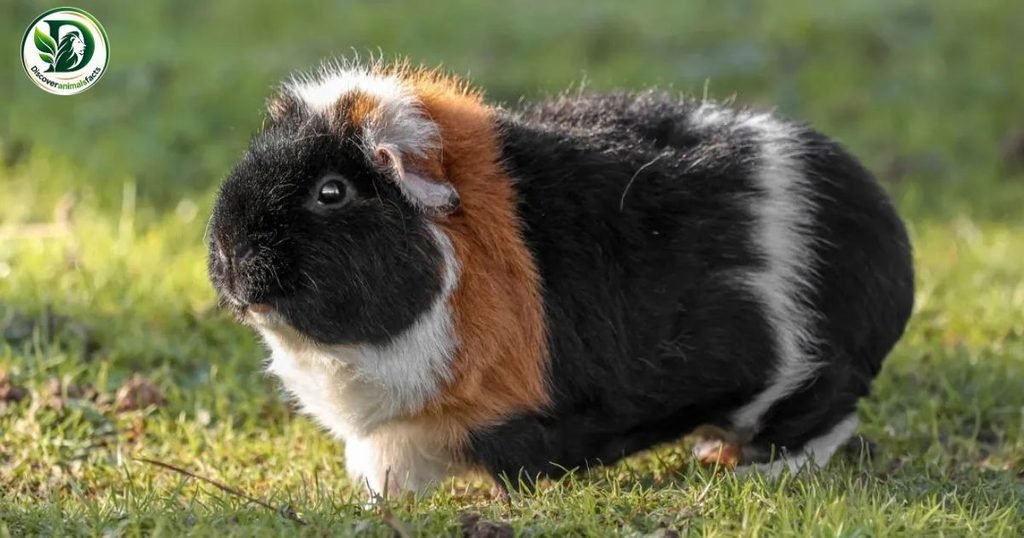
Animals without tails exhibit fascinating adaptations that make their survival intriguing. Take the guinea pig, for example. These animals without tails Despite their lack of a tail, these small rodents possess a remarkable ability to communicate through vocalizations and body language.
Most of the people want to know that what animals don’t have tails so these animals like Guinea pig their varied sounds from chirps to purrs serve as vital cues to express emotions, alert others to danger, or attract mates. The absence of a tail does not hinder their ability to navigate their environments; instead, they rely on their keen sense of smell and hearing to explore and thrive.
Interestingly, many tail-less animals demonstrate alternative benefits. For instance, without a tail, guinea pigs can dart into hiding spots more effortlessly, reducing vulnerability to predators. Their robust body structure allows for substantial agility, compensating for the balance typically provided by tails in other species. Animals without tails top 7 Humans, great apes, koalas, guinea pigs, Manx cats, capybaras, frogs and toads.
Frogs and Toads
- Scientific name: Anura spp.
- Class: Amphibia
- Diet: Carnivore
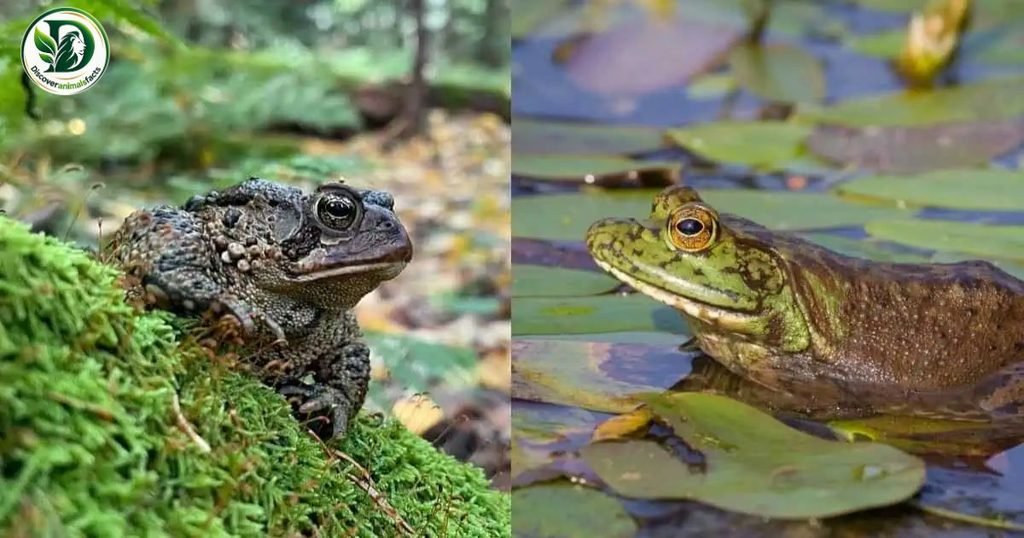
In the world of amphibians, frogs and toads demonstrate a fascinating adaptation to life without tails. Unlike many other animals that possess this appendage for balance or communication, these creatures have evolved in remarkable ways to thrive in their environments.
With their powerful hind legs, Frogs and Toads jump and navigate their surroundings, relying on agility rather than a tail for support. This adaptation not only enhances their mobility in water and on land but also aids in evading predators, showcasing a striking example of evolutionary ingenuity.
Interestingly, the absence of a tail in frogs and toads deepens their ecological role. These animals harness their unique body structure for increased camouflage, often blending seamlessly into their habitats, from lush wetlands to arid forests. This stealthy approach allows them to ambush prey and evade threats, making them formidable hunters.
Apes
- Scientific Name: Hominoidea
- Class: Mammalia
- Diet: Omnivore
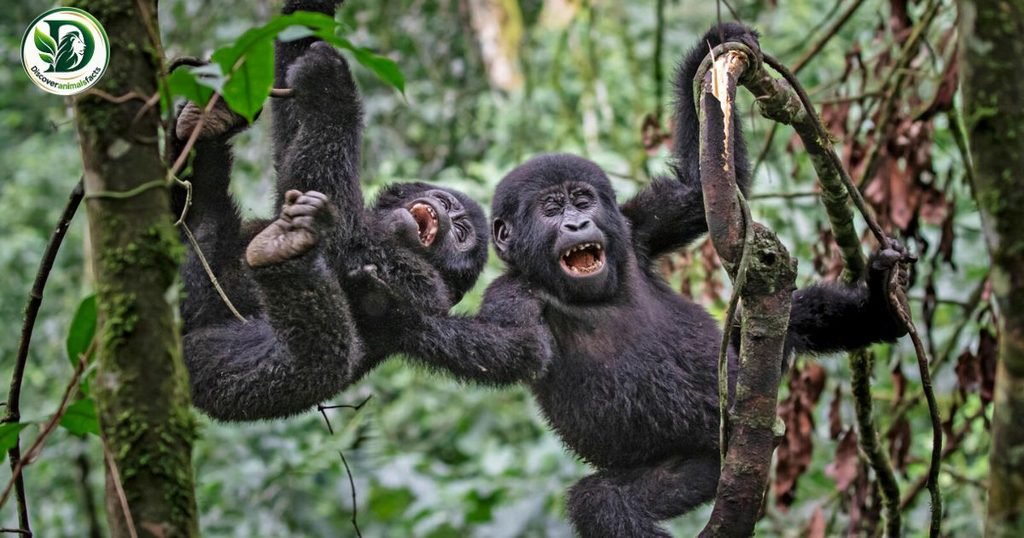
In the animal kingdom, the absence of tails is fascinating, not only from a biological standpoint but also in terms of evolutionary adaptation. For instance, many species of apes, such as the gibbon and orangutan, have evolved without tails, relying instead on their highly developed limbs for mobility and agility in the treetops.
This transformation reflects a shift in lifestyle; the influence of arboreal living necessitated a more robust grasp and balance, allowing these intelligent creatures to navigate their environment with remarkable grace.
The tail, often perceived as a mere appendage, has profound implications for survival, communication, and social structure. In tailless mammals, like apes, body language and vocalizations have adapted to fill this void. For example, the playful gestures and facial expressions of gibbons convey intricate social cues that would otherwise rely on tail movements.
Barbary Macaque
- Scientific Name: Macaca sylvanus
- Class: Mammalia
- Diet: Omnivore
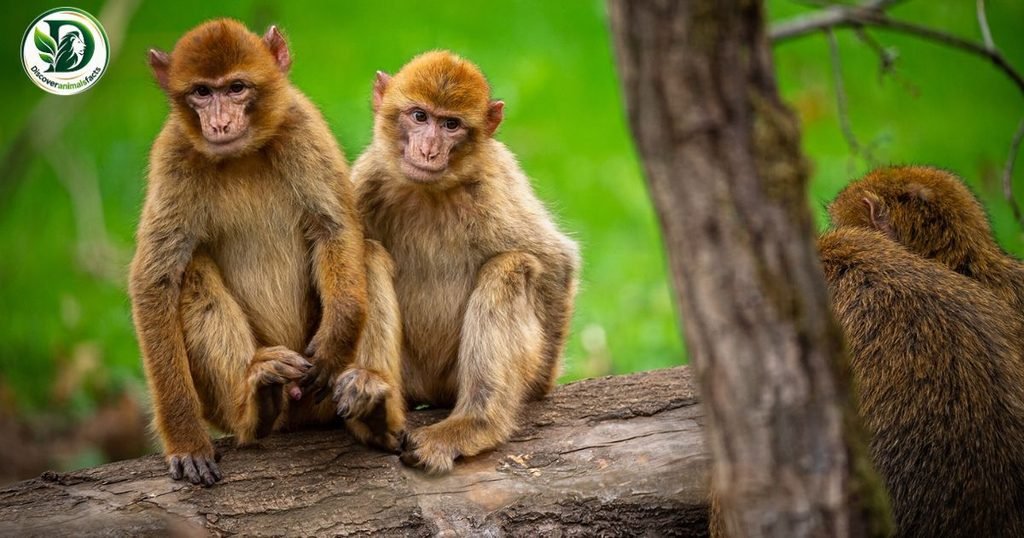
In the myriad of animal adaptations, the Barbary macaque stands out, not just for its expressive face and social structure, but also for its unique tail or lack thereof. Unlike most primates, these fascinating creatures are tailless, a trait that can be traced back to their evolutionary journey.
This absence isn’t merely cosmetic; it influences their social dynamics and interactions. Without a tail to communicate, Barbary macaques rely more on facial expressions and vocalizations, making their social bonds even more intricate and nuanced.
Taillessness can foster unique survival strategies. The Barbary macaque, native to the rocky mountains of North Africa, thrives in a challenging environment where agility and adaptability are paramount. Their lack of a tail enables them to maneuver through rocky terrains and trees with ease, showcasing an evolutionary trade-off where loss leads to enhanced agility.
If you are interested to explore about who Aniamls That Eat Moneys so this is complete guide with facts and images.
Manx Cat
- Scientific name: Felis catus (Manx breed)
- Class: Mammalia
- Diet: Carnivore
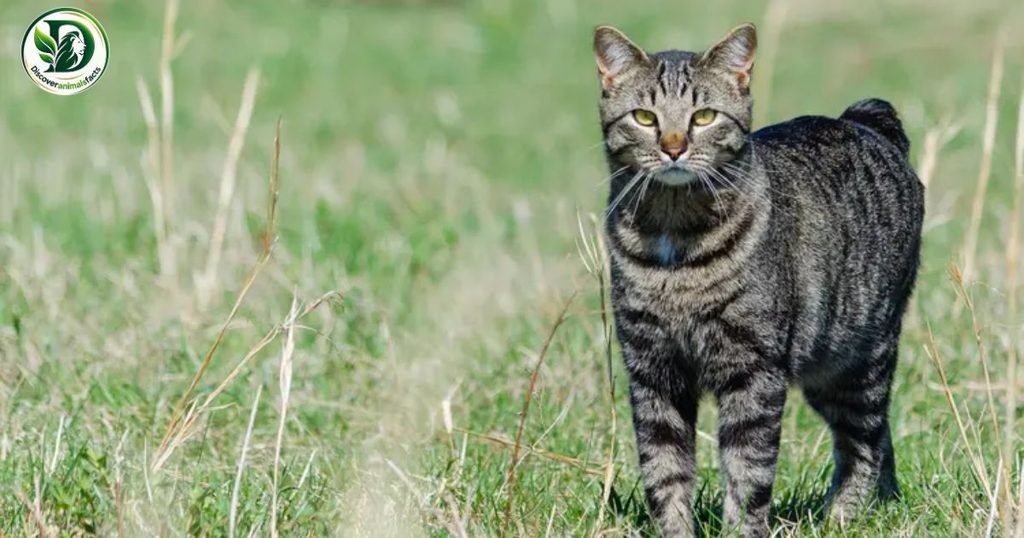
While many animals rely on their tails for balance and communication, some fascinating species thrive without them, embodying the art of adaptation. The Manx Cat is a prime example, renowned for its genetic mutation that results in varying tail lengths, including the complete absence of a tail.
This breed not only captivates cat enthusiasts with its quirky appearance but also presents an intriguing case study in evolution. Tales of the Manx’s agility and playful demeanor challenge the misconception that tails are essential for a pet’s gracefulness and mobility.
The absence of tails in other animals, such as certain breeds of dogs and even some species of fish, opens up discussions about the variety of survival strategies in the animal kingdom. For instance, the bobtail in dogs often provides unique advantages in herding and hunting, demonstrating that nature’s designs often have less to do with aesthetics and more with functionality.
Capybara
- Scientific Name: Hydrochoerus hydrochaeris
- Class: Mammalia
- Diet: Herbivore
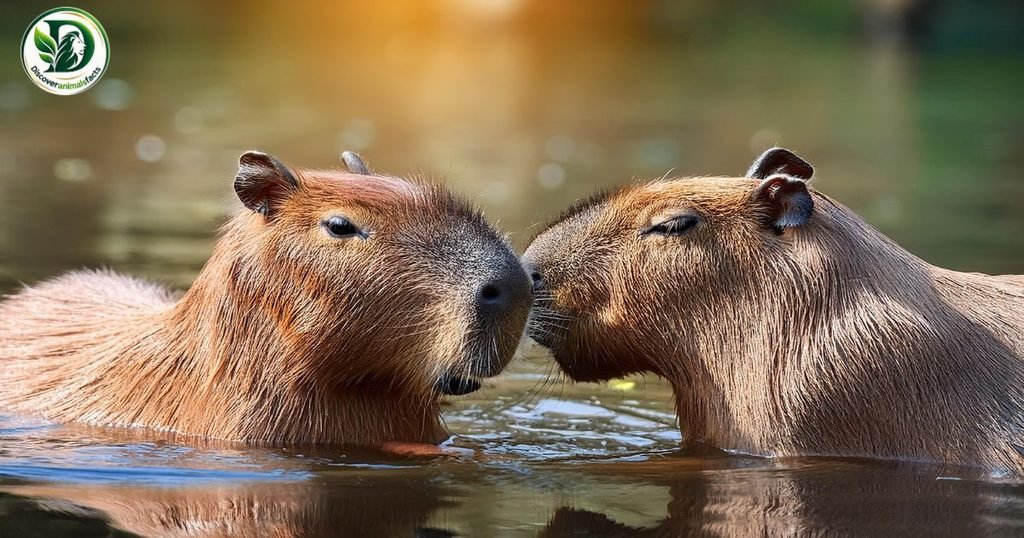
In the vast tapestry of the animal kingdom, the capybara stands out not just for its size but also for its tail or rather, the lack of one. Often dubbed the world’s largest rodent, the capybara’s squat, rounded body and minimal tail make it an intriguing subject for study.
This tail-less feature may seem like a disadvantage, but it actually plays a role in their lifestyle. Scurrying through the wetlands of South America, capybaras rely on their keen sense of hearing and sight rather than tail signals for communication and navigation in their lush habitats.
Beyond capybaras, other tail-less creatures also demonstrate unique adaptations. The African clawed frog, for example, lacks a tail as an adult, shifting its energy to powerful hind legs to propel itself through water.
Spiders
- Scientific Name: Araneae
- Class: Arachnida
- Diet: Carnivore
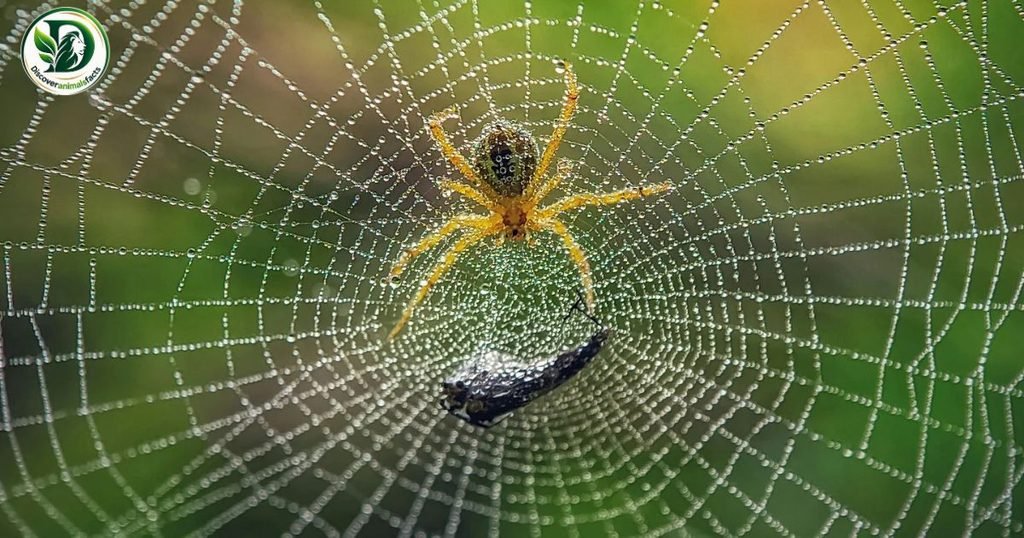
While many may think of tails as essential for balance or communication in the animal kingdom, several species thrive without them, exhibiting remarkable adaptations. Take spiders, for instance: these eight-legged marvels have evolved intricate web-building techniques and predatory behaviors that have rendered tails unnecessary.
Their unique body structure, complete with fangs and spinnerets, allows them to catch prey and navigate their environments with astonishing agility, proving that resourcefulness often trumps traditional anatomical features. Emphasizing the diversity of tail-less creatures, consider the quirky axolotl often dubbed the “Mexican walking fish.”
This amphibian retains its larval features throughout its life, showcasing how evolutionary paths can diverge drastically. Rather than relying on a tail for propulsion, axolotls thrive in their aquatic habitats with remarkable regenerative abilities, capable of regrowing limbs and even parts of their heart.
Kiwi Bird
- Scientific name: Apteryx australis
- Class: Aves
- Diet: Omnivore
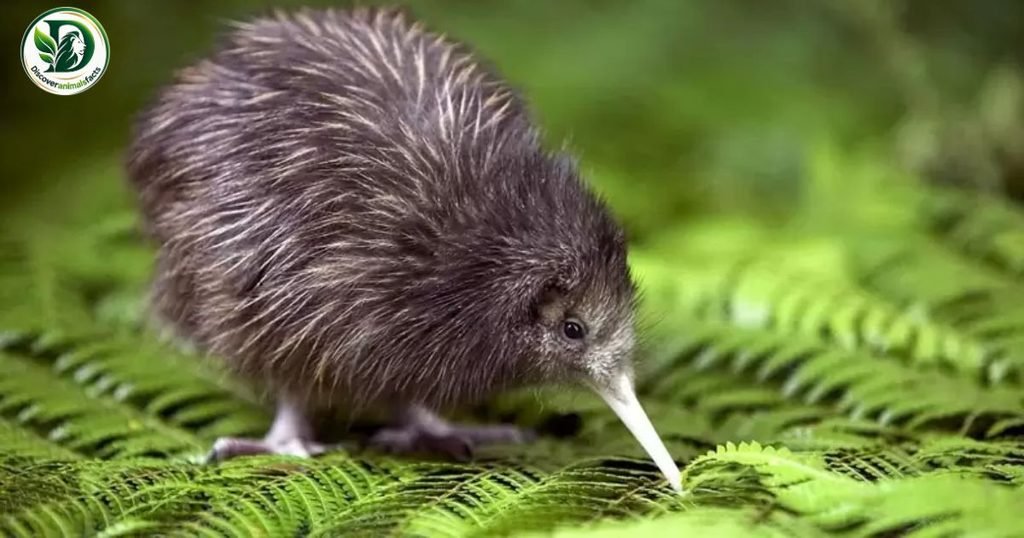
The kiwi bird, a flightless marvel of New Zealand, captivates observers not only with its unique appearance but also its absence of a tail. Unlike many other birds, kiwis have evolved to adapt to their terrestrial lifestyle, relying more on their keen sense of smell than on flight for survival.
This tail-less feature allows them to hide in dense undergrowth, blending seamlessly into their forest habitat. Their round, stout bodies and long, slender beaks are perfectly suited for foraging insects and worms from the forest floor, showcasing a remarkable example of how evolution can shape the anatomy and behavior of a species.
Beyond kiwis, several animals also thrive without tails, each finding success through ingenuity rather than physical traits. For instance, the tailless bobtail squids camouflage themselves with a unique ability to adjust their skin color and texture. Similarly, certain fish, like the cuttlefish, rely on innate behavioral characteristics rather than a tail for propulsion, employing jet propulsion to navigate through their underwater realms.
Octopus
- Scientific Name: Octopus vulgaris
- Class: Cephalopoda
- Diet: Carnivore
In the mesmerizing realm of animal adaptations, tails often play vital roles, yet some creatures thrive remarkably well without them. The octopus, a prime example, showcases unparalleled dexterity and intelligence, rendering its lack of a tail irrelevant to its survival.
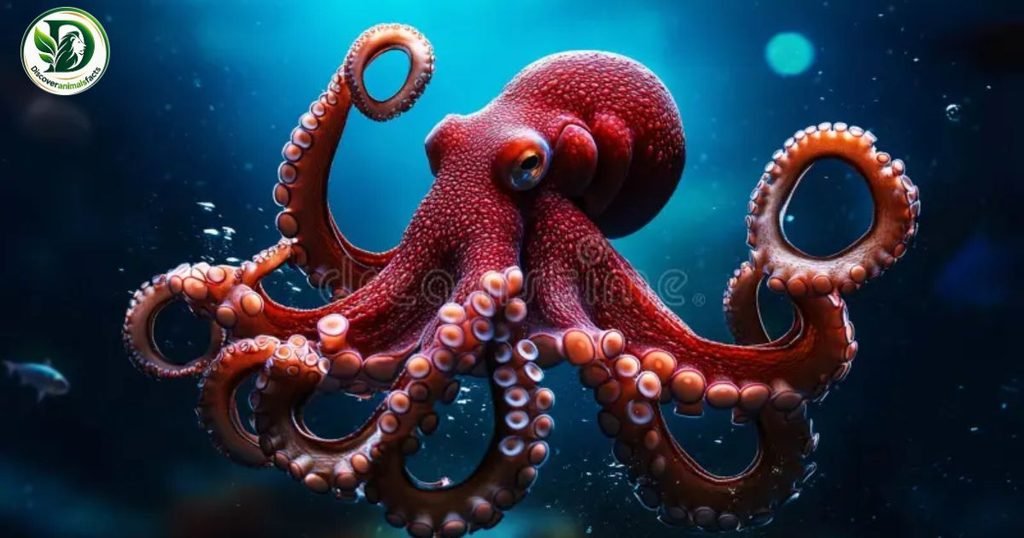
Instead of relying on a tail for balance or movement, octopuses employ their remarkable flexibility and multiple arms to navigate the ocean depths, solve complex problems, and escape predators. Their incredible ability to camouflage adds another layer of intrigue, allowing them to blend into their surroundings seamlessly.
The absence of a tail in these creatures prompts a fascinating evolutionary narrative. Without a tail, the octopus has transformed its body into a versatile marvel, showcasing a unique mode of locomotion that involves jet propulsion.
Explore: Top 15 Cleanest Animals in The World
Conclusion
The world of animals without tails serves as a fascinating reminder of nature’s adaptability and diversity. These creatures have evolved unique ways to thrive despite the absence of this often-essential appendage, demonstrating remarkable resilience and ingenuity. From the sleek body of the manx cat to the graceful movements of certain species of fish, their adaptations challenge our perceptions of what is necessary for survival.
Understanding the ecological impact of tail-less animals can inspire us to appreciate the complexity of ecosystems and the role each species plays. Let us continue to explore and protect these remarkable creatures as we uncover the mysteries of the natural world.
FAQs
What are the 4 legged animals without tails?
Several four-legged animals are known to be naturally tailless. One prominent example is the Manx cat, which is a breed of domestic cat that often exhibits a genetic mutation leading to a short or missing tail.
Do koalas have tails?
Koalas do not have tails like many other animals do. Instead, they possess a small, vestigial tail that is not visible externally.
Do gorillas have tails?
No, gorillas do not have tails. Like other members of the ape family, including chimpanzees and orangutans, gorillas are tailless.
Do bears have tails?
Yes, bears do have tails, but they are quite short and not very noticeable. Unlike many other mammals, a bear’s tail typically measures only about 2 to 4 inches long.
Why do most animals have tails?
Most animals have tails for a variety of evolutionary and functional reasons. One of the primary purposes of a tail is to aid in movement and balance.
what animal doesn’t have a tail?
Several animals lack a tail. The most notable example is the human like other great apes (chimpanzees, gorillas, orangutans), we lost our external tail through evolution, keeping only a small vestigial tailbone (coccyx).