Top 15 Cleanest Animals in The World (With Pictures)
While many people associate cleanliness with humans, the animal kingdom boasts some surprisingly clean creatures that redefine our understanding of hygiene. In this article, we will explore the Cleanest Animals in The World, highlighting their remarkable behaviors and adaptations that allow them to maintain such a high level of cleanliness. Understanding these animals not only deepens our appreciation for biodiversity but also offers insights into the importance of hygiene in nature.
List of Cleanest Animals in The World
Below is the list of most cleanest animals in the world:
- Cats
- Polar Bears
- Deer
- Rabbits
- Raccoons
- Squirrels
- Sea Otters
- Beavers
- Hamsters
- Ants
- Badgers
- Songbirds
- Birds of Paradise
- Elephants
- Tigers
Cats
- Scientific Name: Felis catus
- Class: Mammalia
- Diet: Carnivore
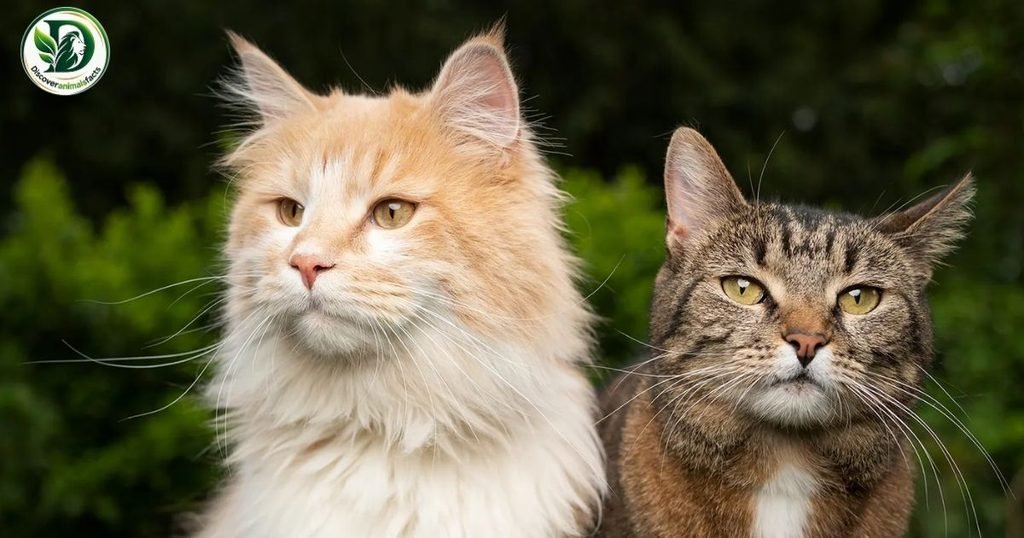
Cats often captivate us with their mysterious behavior and playful antics, but one of their most remarkable traits is their cleanliness. Frequently cited among the cleanest animals in the world, cats allocate a significant portion of their day to grooming.
This meticulous self-care not only keeps their fur free from dirt but also plays a vital role in regulating their body temperature and even soothing their nerves. As they meticulously lick their paws and fur, they distribute natural oils, ensuring their coat remains both glossy and healthy.
But their cleanliness extends beyond just grooming habits. Cats are instinctually programmed to respect their environment; they instinctively bury their waste, a behavior rooted in survival tactics from their wild ancestors. This instinct not only helps them maintain a tidy litter area but also serves to mask their scent from potential predators.
Polar Bears
- Scientific Name: Ursus maritimus
- Class: Mammalia
- Diet: Carnivore
Polar bears are often celebrated for their majestic presence in the Arctic, but they also hold an intriguing title as one of the cleanest animal in the world. Their pristine white fur, while stunning, serves more than an aesthetic purpose, it acts as a camouflage in their icy habitat.
What may surprise many is that this striking coloration also minimizes the accumulation of dirt and contaminants, allowing them to maintain a cleaner coat compared to other species. This cleanliness is crucial for temperature regulation, aiding in their survival as they traverse harsh environments.
Moreover, polar bears demonstrate remarkable grooming habits, which help sustain their health and enable them to ward off parasites. They engage in regular cleaning rituals, often seen rolling or scratching against the snow. This behavior not only enhances their physical appearance but also ties into their role as apex predators in their ecosystem. By maintaining a clean vessel, they can optimize their hunting efficiency, ensuring they remain at the top of their food chain.
Deer
- Scientific Name: Cervidae
- Class: Mammalia
- Diet: Herbivore
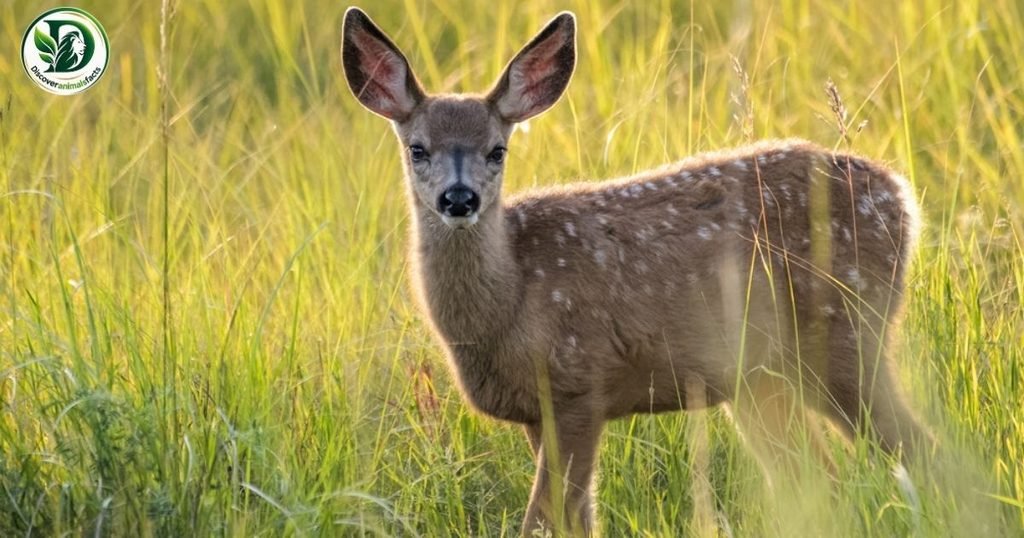
Deer are often celebrated for their grace and beauty, but there’s an intriguing side to these creatures that many overlook: their phenomenal cleanliness. As some of the cleanest animal in the world, deer devote considerable time each day to grooming themselves.
This behavior not only keeps their coats in pristine condition but also serves a crucial role in their survival. By removing dirt and parasites, they enhance their overall health, allowing them to better evade predators and thrive in their natural environments.
Beyond personal hygiene, deer also exhibit a fascinating social cleanliness. They tend to establish specific communal areas for feeding and resting, which helps minimize the spread of disease within their populations. This instinctive knowledge echoes a deep-rooted understanding of balance and health within their ecosystems.
Rabbits
- Scientific Name: Oryctolagus cuniculus
- Class: Mammalia
- Diet: Herbivore
Rabbits are often underestimated in their cleanliness, but they rank among the cleanest animal in the world. With a natural instinct for grooming, rabbits spend a significant part of their day meticulously cleaning their fur. This self-maintenance not only keeps them looking their best but also helps regulate their body temperature and reduce odor, making them ideal companions for those who appreciate a tidy pet environment.
Their litter training capabilities further underscore their cleanliness; rabbits can be taught to eliminate in a specific spot, creating a hassle-free living space for both them and their owners.In addition to their grooming habits, rabbits contribute to cleaner ecosystems.
Their burrowing behaviors aerate the soil and help facilitate plant growth, making them pivotal players in promoting a healthy environment. These social creatures thrive in pairs, providing companionship that fosters emotional resilience in humans, which may not only enrich pet owners’ lives but also emphasize the importance of cleanliness and order in the shared living space.
If you are interested to learn about Down Syndrome Animals In The World, this is complete guide with facts.
Raccoons
- Scientific Name: Procyon lotor
- Class: Mammalia
- Diet: Omnivore
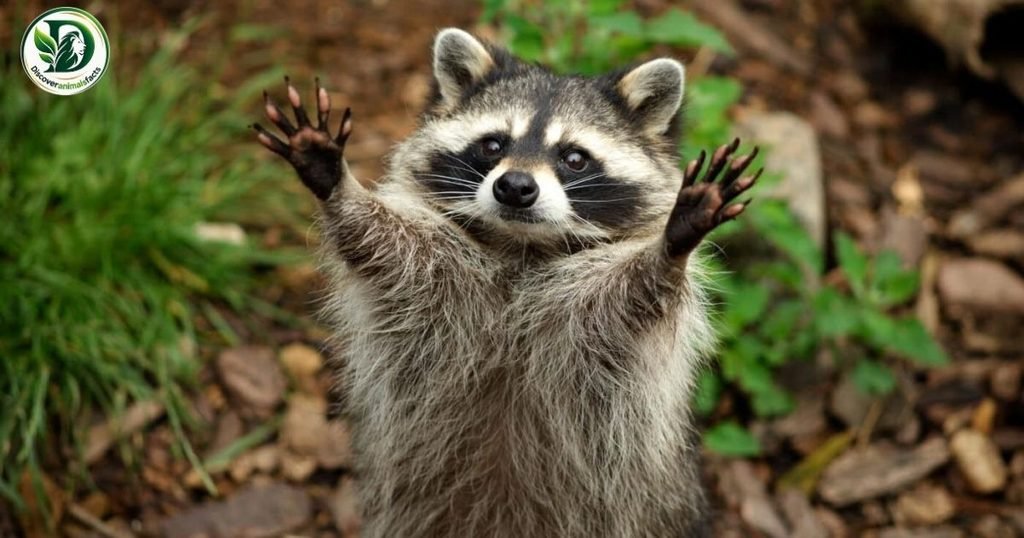
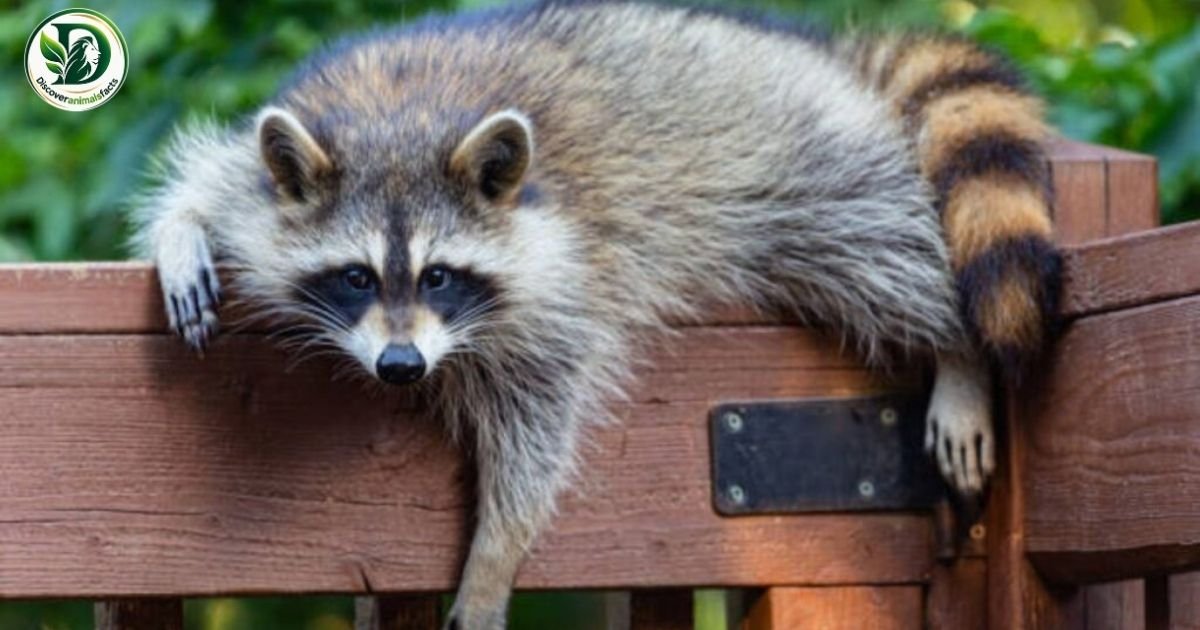
Raccoons are often misperceived as mere urban pests, yet they possess a unique charm that sets them apart. One of the most surprising facts about these creatures is their reputation as some of the cleanest animal in the world.
When given the space, raccoons create designated “latrine” areas, similar to a cat’s litter box, showcasing their preference for cleanliness. This behavior not only keeps their living environment tidy but also reflects a level of intelligence and social structure that many overlook.
Raccoons are highly adaptable and resourceful, capable of thriving in diverse environments, from dense forests to bustling cities. Their dexterous front paws allow them to manipulate objects with surprising skill, enabling them to find and prepare food in innovative ways. This versatility drives their curiosity, making them adept problem solvers.
Squirrels
- Scientific Name: Sciuridae
- Class: Mammalia
- Diet: Herbivore/Omnivore
Squirrels are often underestimated in their role as nature’s gardeners. As they forage for nuts and seeds, they inadvertently plant trees, shaping the landscape for future generations. This behavior not only benefits their habitats but also maintains biodiversity, making them crucial allies in ecosystem health.
While we often think of them as mere seed thieves, the reality is that these clever creatures contribute significantly to forest regeneration. Squirrels are also among the cleanest animal in the world. They maintain a rigorous grooming routine, using their nimble paws to meticulously clean their fur, which helps them stay healthy by preventing parasites.
This attention to cleanliness is essential not just for their well-being but also aids in their social dynamics, as they communicate through scent as much as through sight. Observing a squirrel’s meticulous nature offers a fascinating glimpse into how these seemingly simple creatures have evolved sophisticated behaviors that engage them with their environment and enhance their survival.
Sea Otters
- Scientific Name: Enhydra lutris
- Class: Mammalia
- Diet: Carnivore
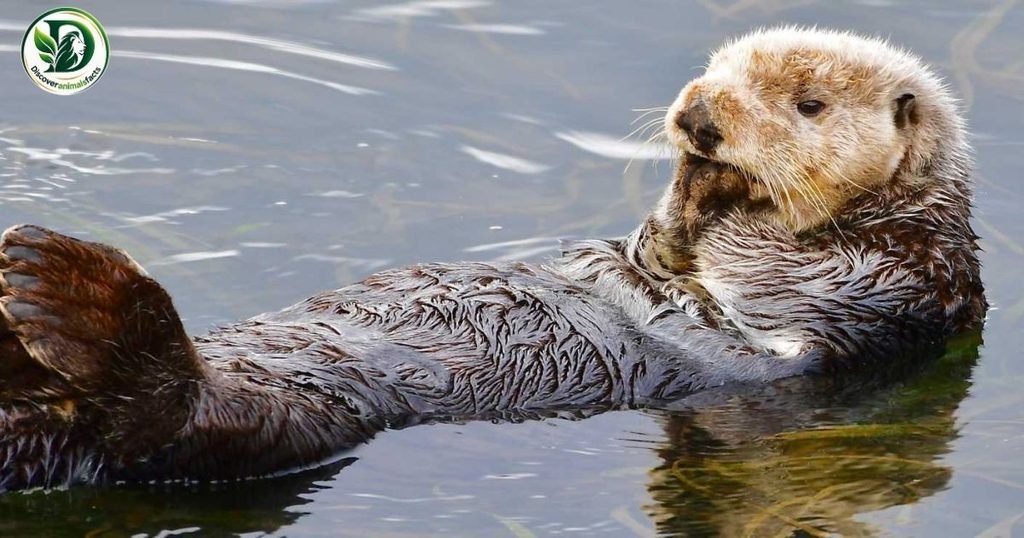
Sea otters are often hailed as the cleanest animal in the world, and for good reason. With their thick fur containing up to a million hair strands per square inch, these adorable marine mammals invest significant time and energy in grooming themselves.
Many other marine animals, sea otters lack the insulating blubber that protects them from the cold, so they rely on this dense fur to keep warm. Their relentless cleaning not only maintains the insulating properties of their fur but also showcases their unique method of survival; a dedicated routine that exemplifies nature’s intricate balance.
Beyond their cleanliness, sea otters play a crucial ecological role in coastal environments. By foraging for sea urchins and other invertebrates, they help maintain healthy kelp forests, which are essential ecosystems in their own right. A decline in sea otter populations can lead to unchecked urchin growth, resulting in “urchin barrens” that drastically alter marine habitats.
Beavers
- Scientific Name: Castor canadensis
- Class: Mammalia
- Diet: Herbivore
Beavers are fascinating creatures that deserve more credit than they typically receive, especially when considering their role as some of the cleanest animal in the world. Their natural habitat is crafted with meticulous care; beavers expertly construct dams and lodges that not only serve as homes but also create thriving ecosystems.
These cutting-edge engineers promote biodiversity by creating wetlands that filter water and serve as sanctuaries for countless species. What sets beavers apart further is their unique grooming habits. They tirelessly maintain their thick fur to ensure insulation and buoyancy, revealing an instinctual drive to keep their environment and bodies clean.
This attention to grooming helps them prevent parasites and enhances their ability to thrive in their habitats. Observing a beaver at work offers a glimpse into the interconnectedness of nature, how one species can significantly contribute to ecological balance while embodying the essence of cleanliness in the animal kingdom.
Hamsters
- Scientific Name: Mesocricetus auratus
- Class: Mammalia
- Diet: Omnivore
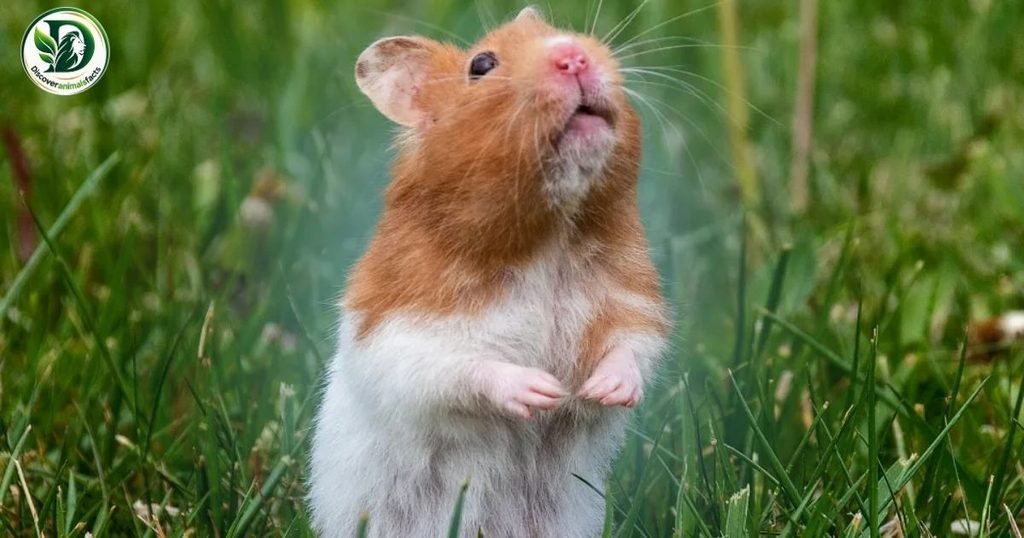
Hamsters are often celebrated for their adorable appearance and playful antics, but what many don’t realize is that they rank among the cleanest animal in the world. Unlike many pets that require frequent baths, hamsters invest considerable time in grooming themselves.
Their natural instinct is to keep their fur immaculate, effectively removing dirt and parasites. This self-maintenance routine not only highlights their cleanliness but also reflects their vibrant energy, as a happy hamster will groom and play regularly.Beyond their personal hygiene, hamsters contribute to a clean environment in their cages.
With their instinctual behavior of hoarding food and nesting materials, they create distinct areas for eating and sleeping, naturally keeping their living spaces organized. However, they benefit from regular human assistance as well; ensuring that their habitats remain tidy enables these furry creatures to thrive.
Ants
- Scientific Name: Formicidae
- Class: Insecta
- Diet: Omnivore
Ants, often overlooked in the grand tapestry of nature, hold a remarkable title: they are among the cleanest animal in the world. Their meticulous grooming behavior is not just for show; it plays a vital role in their community health. By constantly cleaning themselves and each other, ants significantly reduce the risk of spreading pathogens within the colony.
This commitment to hygiene ensures their survival and efficiency, allowing them to thrive in diverse environments, from lush forests to bustling urban settings.Their cleanliness extends to their nests, which are ingeniously designed and maintained.
Some species practice waste management by designating specific areas for refuse, keeping their living spaces pristine. This innate ability to manage waste not only reflects their social structure but also highlights a sophisticated understanding of ecology. Observing ants can inspire us to reconsider waste practices in our own lives; after all, these tiny architects have mastered the art of living harmoniously with nature.
Badgers
- Scientific Name: Meles meles
- Class: Mammalia
- Diet: Omnivore
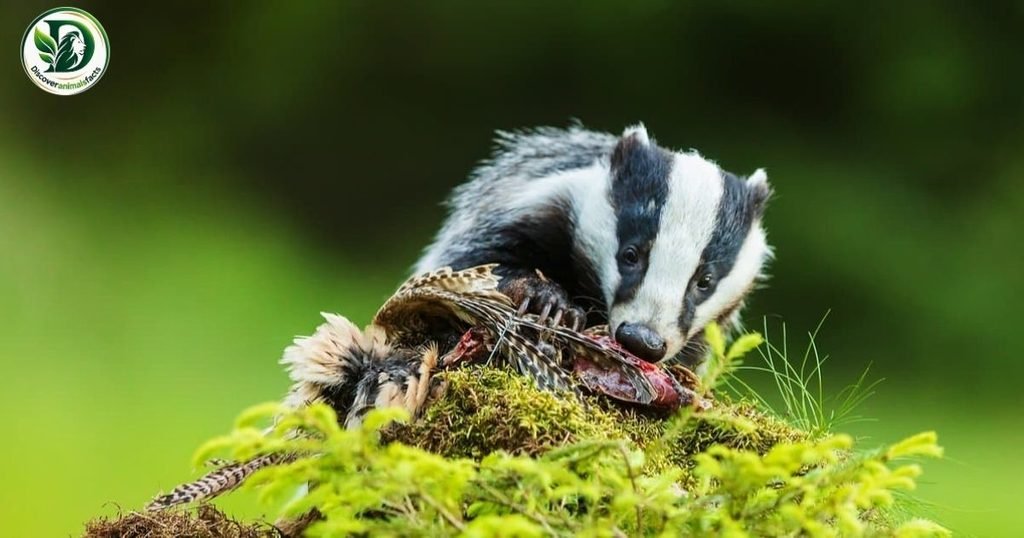
Badgers, often overlooked in discussions about wildlife, are not only fascinating due to their social structures and burrowing habits but also earn a unique title among their peers: they are some of the cleanest animal in the world. These diligent diggers maintain extensive burrow systems called setts, which they meticulously keep free from waste.
Their commitment to hygiene is so remarkable that they create designated latrines well away from their living spaces, showcasing an instinctive understanding of cleanliness that many humans could learn from.Badgers exhibit intriguing social behaviors, often living in groups that reinforce their communal living standards.
Inside their sets, they spend time grooming one another, further enhancing their cleanliness while strengthening social bonds. This grooming ritual not only rids them of parasites but also signifies trust and camaraderie. Observing badgers in their natural habitat reveals a rich tapestry of interaction that challenges the common stereotype of solitary wildlife, prompting us to reconsider the importance of community and hygiene in maintaining a balanced ecosystem.
Songbirds
- Scientific Name: Passeriformes
- Class: Aves
Diet: Omnivore
Songbirds are often celebrated not just for their melodious tunes but also for their remarkable adaptability and social behaviors. These avian musicians play a crucial role in our ecosystems, with many species helping to control insect populations and disperse seeds. Interestingly, some of the cleanest animal in the world, songbirds, engage in meticulous grooming rituals.
They preen their feathers to maintain optimal insulation and flight efficiency, often using specialized oils to keep their plumage waterproof. Recent studies reveal that songbirds also demonstrate unique vocal learning, acquiring melodies much like humans master language.
The social structures within their groups add another layer of complexity; they can communicate a vast array of emotions through their songs, from attracting mates to warning of predators. This intricate relationship between their songs and social interactions highlights their intelligence and evolutionary adaptation, making them both a joy to listen to and a marvel to study.
If you are interested to explore about Shy Animals in the World, this is complete guide with pictures and facts.
Birds of Paradise
- Scientific Name: Paradisaeidae
- Class: Aves
- Diet: Omnivore
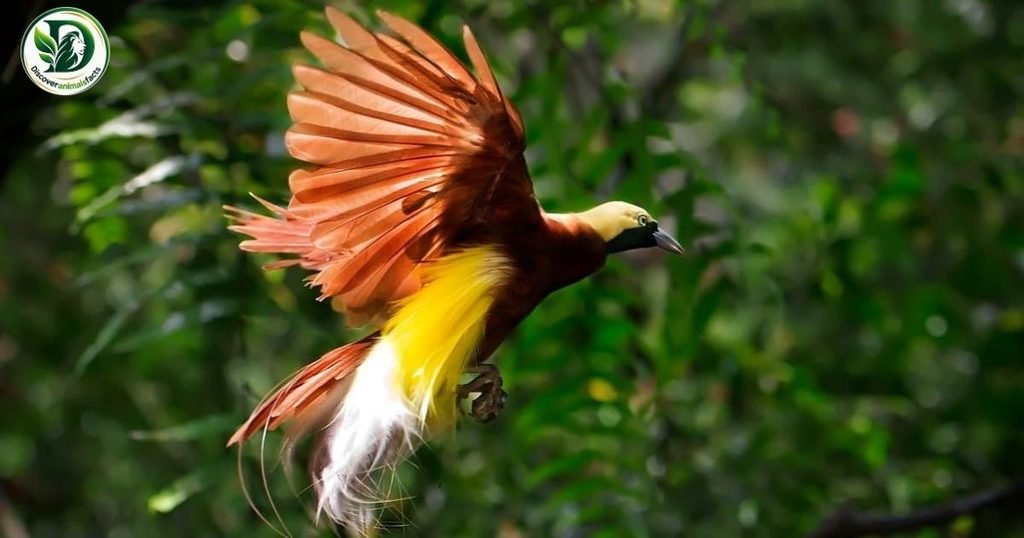
The Birds of Paradise, renowned for their extraordinary plumage and elaborate courtship displays, are not just a feast for the eyes; they also embody an intriguing aspect of nature’s cleanliness. Often dubbed among the cleanest animals in the world, these avian wonders go to great lengths to maintain their vibrant feathers.
In their pursuit of peak attractiveness for mating rituals, they meticulously groom themselves, using their beaks to remove dirt and parasites, showcasing an innate understanding of hygiene that reflects their evolutionary advantage.This obsession with sleek aesthetics has a deeper ecological significance.
The bright colors that adorn their feathers are not merely for show; they play a critical role in signaling health and vitality to potential mates. Furthermore, many Birds of Paradise have been observed selecting specific bathing spots to ensure their feathers remain pristine. This behavior not only enhances their appearance but also contributes to their overall health, enabling them to thrive in the dense, humid rainforests of New Guinea and surrounding islands.
Elephants
- Scientific Name: Loxodonta africana (African elephant) / Elephas maximus (Asian elephant)
- Class: Mammalia
- Diet: Herbivore
Elephants, often celebrated for their intelligence and social structures, are also among the cleanest animals in the world. Unlike many might expect, these majestic giants demonstrate remarkable hygiene practices. For instance, they create designated latrine areas, helping to maintain the cleanliness of their surroundings and reducing the spread of parasites.
Their meticulous nature stretches to their bathing habits; elephants are known to indulge in dust baths and mud wallows, which not only cleanse their skin but also provide a protective layer against harsh sunlight and insects.
Their affinity for cleanliness reflects a deeper interconnectedness with their ecosystems. By keeping their habitats tidy, elephants play a vital role in nurturing their environments, enabling various flora and fauna to thrive. This behavior underscores their position not just as gentle giants but as key ecological stewards, shaping their surroundings for the benefit of countless other species.
Tigers
- Scientific Name: Panthera tigris
- Class: Mammalia
- Diet: Carnivore
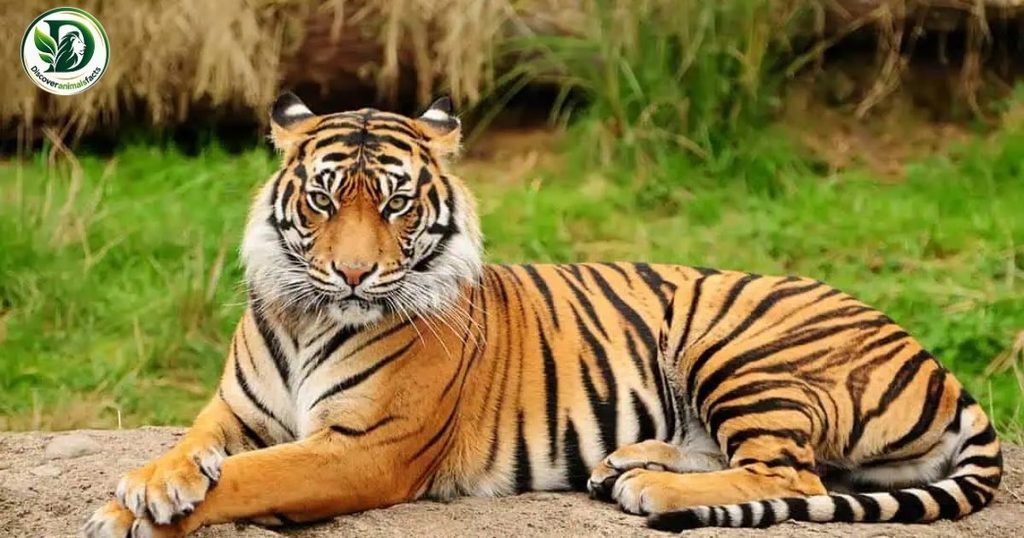
Tigers are not just mesmerizing predators; they’re also among the cleanest animals in the world. Unlike many other large carnivores, these majestic felines maintain a meticulous grooming routine, spending hours each day licking their fur.
This behavior serves to eliminate parasites and debris, but it also helps regulate their body temperature and contributes to their striking appearance. In the wild, the perception of a tiger often revolves around its sheer power, but its delicate nature speaks volumes about its adaptability and survival instincts.
To their grooming habits, tigers are also territorial creatures that carefully mark their domain. They use scent markings and vocalizations to communicate with others, ensuring that their space remains unencumbered. This natural cleanliness extends to their hunting practices; tigers tend to consume only what they need, often covering any leftover remains to avoid attracting scavengers.
If you are interested to learn about Animals That Eat Monkeys, so this is complete guide with images and facts.
Conclusion
The cleanest animals in the world remind us of the incredible adaptations and behaviors that nature has cultivated for survival. These remarkable creatures, such as the Japanese Macaque and the African Elephant, showcase not only their dedication to cleanliness but also their roles in maintaining ecological balance.
Their hygiene habits can inspire us to reflect on our own practices and encourage better environmental stewardship. As we marvel at the cleanliness of these animals, let’s commit to preserving their habitats and supporting conservation efforts. By appreciating the cleanest animals, we can foster a greater respect for wildlife and a healthier planet.
FAQ’s
Why pigs are cleanest animals in the world?
Pigs are often misunderstood when it comes to their cleanliness. Contrary to popular belief, they are one of the cleanest animals in the world. Pigs naturally avoid defecating in their living areas and will create designated “latrines” away from where they eat or sleep. This instinctual behavior helps maintain a clean environment, which is crucial for their health and well-being.
What Are Top 5 Cleanest Animals?
The top 5 cleanest animals are cats, pigs, rabbits, dolphins, and birds. They are considered clean because they regularly groom themselves, keep their living areas tidy, or maintain their bodies through bathing and natural cleaning behaviors.
What Are Cleanest Insect In The World?
When considering the cleanest insects in the world, a few notable contenders come to mind based on their behaviors and ecological roles. Cleanest Insect In The World In Ants are often recognized for their cleanliness.
Are Cats The Cleanest Animals?
While cats are often regarded as some of the cleanest animals due to their grooming habits, the reality is a bit more nuanced. Cats spend a significant portion of their waking hours grooming themselves, using their tongues to remove dirt, debris, and loose fur.