Top 6 Animals With Tusks (With Pictures)
From the iconic elephant to the lesser-known narwhal, tusks play crucial roles in their respective ecosystems. In this article, we’ll delve into the fascinating world of Animals With Tusks, exploring their unique adaptations and the vital roles they play in maintaining biodiversity.
By the end, you’ll have a deeper appreciation for the beauty and importance of these extraordinary creatures.
List of Animals With Tusks
Below is the list of animals that have tusks:
- Warthog
- Elephant
- Walrus
- Narwhal
- Babirusa
- Wild boars
Warthog
- Scientific Name: Phacochoerus africanus
- Class: Mammalia
- Diet: Omnivore
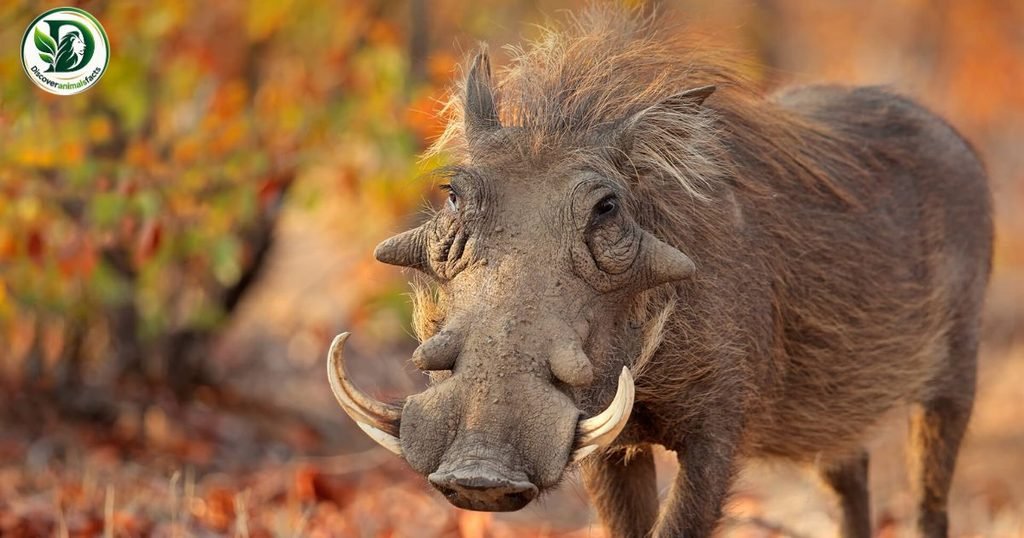
Warthogs, with their distinctive appearance and rugged charm, offer more than just a striking silhouette on the African savanna. Their tough, bristly hides are not merely for show; they serve as natural armor against predators, showcasing evolution’s artful design. Sporting impressive tusks that can grow quite long, these formidable mammals use them not only in defense but also for foraging, digging up roots and tubers that constitute a significant part of their diet.
One of the most intriguing aspects of warthog behavior is their social dynamics. Unlike many solitary wild animals, warthogs often gather in groups called sounders, typically comprising females and their young.
This social structure provides safety in numbers, as the adults can alert the group to impending threats. Interestingly, warthogs often adopt a unique stance to graze or rest: they will lower their bodies while keeping their front legs tucked underneath, allowing them to dart away quickly at the slightest hint of danger. Such adaptations highlight their keen survival instincts, making these creatures as fascinating as they are resilient.
Elephant
- Scientific Name: Elephantidae
- Class: Mammalia
- Diet: Herbivore
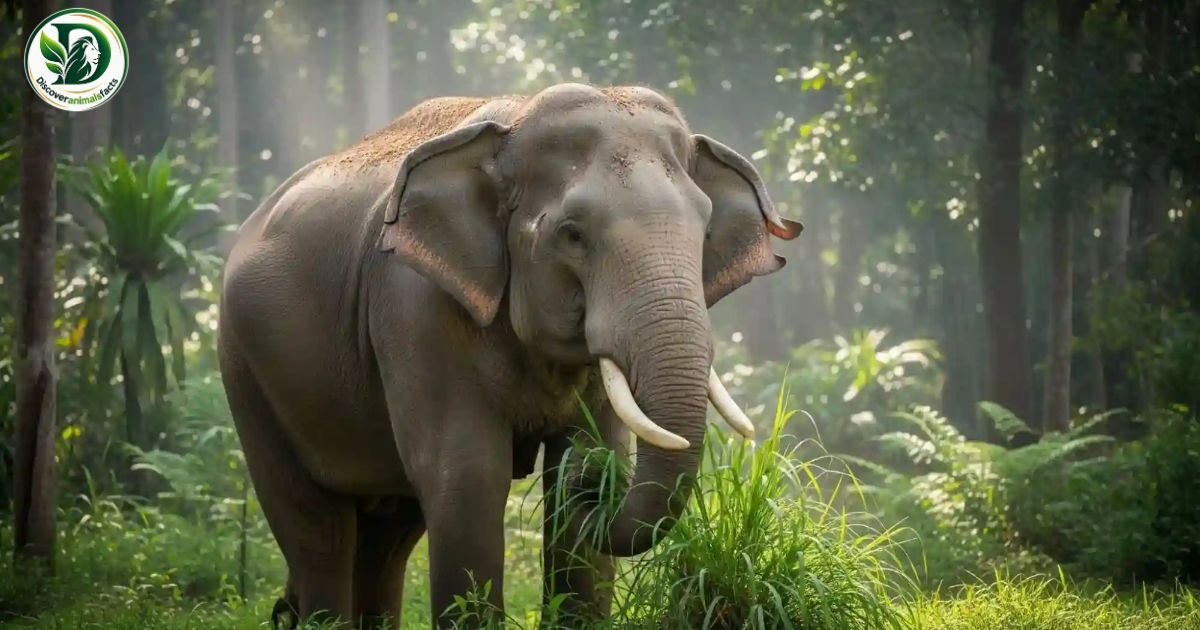
Elephants, often hailed as the gentle giants of the animal kingdom, possess a complex social structure that mirrors human communities in remarkable ways. Animals With Tusks herds, typically matriarchal, are led by the eldest female, who navigates through their environment with a combination of wisdom and experience.
This leadership is vital, especially in the harsh terrains of Africa and Asia, where knowledge of water sources and migratory paths can mean survival. Fascinatingly, these magnificent creatures communicate through infrasound low-frequency sounds that can carry over miles allowing them to maintain connections even when separated by vast distances.
Beyond their social hierarchies, elephants exhibit a remarkable capacity for emotion and empathy. They have been observed mourning their deceased, often returning to the bones of lost companions and displaying behaviors reminiscent of grief.
Walrus
- Scientific Name: Odobenus rosmarus
- Class: Mammalia
- Diet: Carnivore
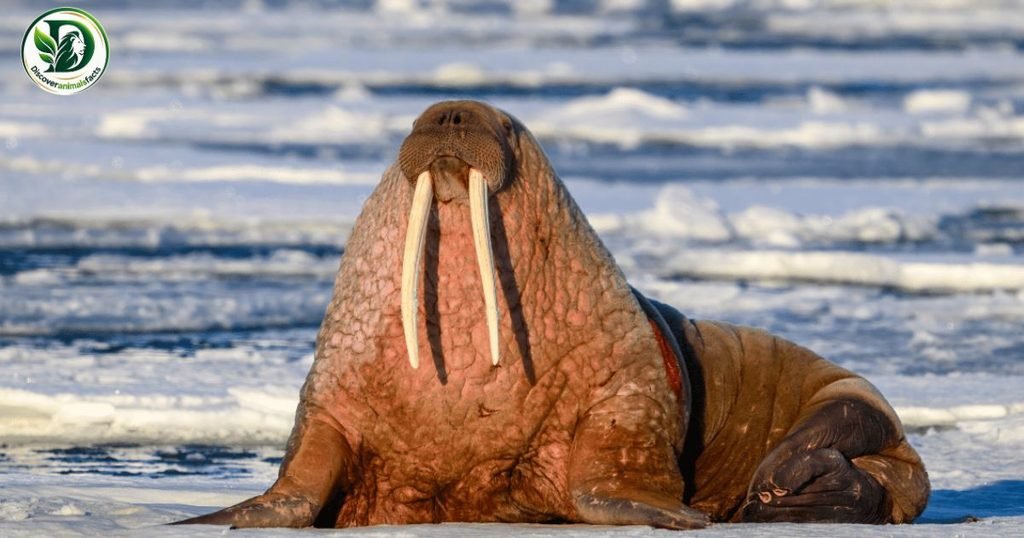
The walrus, with its iconic tusks and blubbery physique, embodies the rugged charm of Arctic ecosystems. These marine mammals are not just fascinating for their appearance; their complex social structures are equally intriguing.
Living in groups called herds, they engage in vocalizations and social interactions that exceed mere communication about food or danger. Animals With Tusks and their deep bellowing sounds resonate across icy landscapes, creating a rich tapestry of underwater dialogue that has yet to be fully understood by scientists.
Beyond their charismatic presence, walruses play a crucial role in their habitat. As bottom feeders, they dive to forage for clams and other benthic organisms, effectively shaping the seafloor environment. This feeding behavior influences not only the species they consume but also the overall health of the marine ecosystem.
Narwhal
- Scientific Name: Monodon monoceros
- Class: Mammalia
- Diet: Carnivore
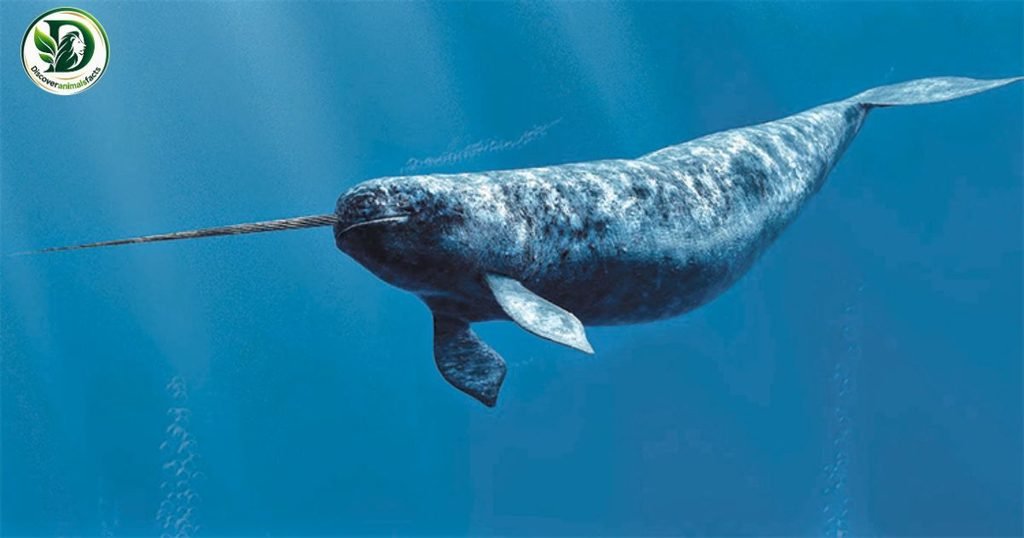
The narwhal, often dubbed the “unicorn of the sea,” possesses a mystique that captivates both scientists and enthusiasts alike. Beyond its iconic long tusk, which is actually an elongated tooth, the Animals With Tusks narwhal’s adaptability to the harsh Arctic environment showcases its evolutionary brilliance.
This remarkable marine mammal can dive deeper than most whales, plunging over a mile beneath the ice to forage for fish, squid, and even the occasional shrimp. Such depth isn’t just about survival; it’s a testament to the narwhal’s advanced echolocation, allowing it to navigate the dark waters of the North with remarkable precision.
Recent studies reveal that Animals With Tusks of narwhals may serve more than just a physical purpose; they could play a crucial role in social interactions and mating rituals. These spiral tusks are often covered in sensory tissue, giving them the ability to detect changes in the environment, hinting at a complex communication system within their pods.
Babirusa
- Scientific Name: Babyrousa
- Class: Mammalia
- Diet: Omnivore
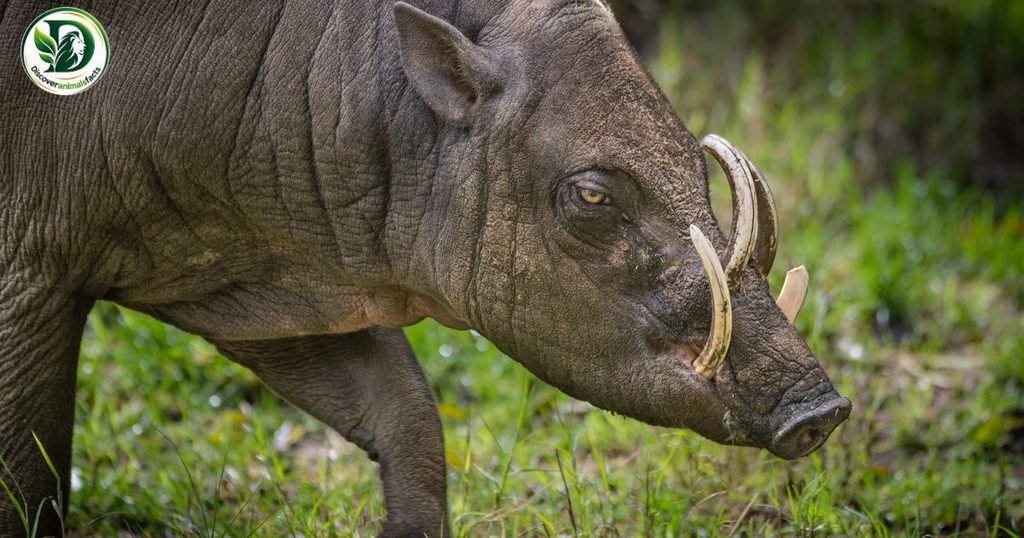
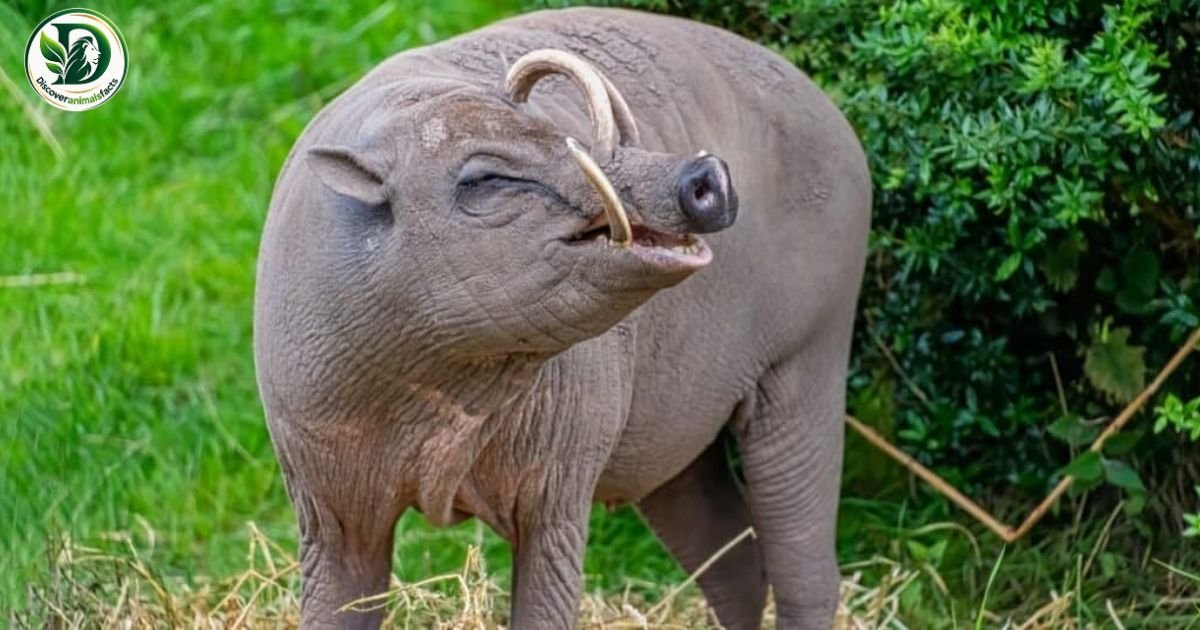
The babirusas of Indonesia, often referred to as “pig-deer,” are a fascinating testament to nature’s eccentricities. With their elongated tusks curling upward in a dramatic display, these unusual creatures seem to straddle the line between beauty and bizarre.
These tusks, which continue to grow throughout their lives, are not just for show; they serve as tools in mating displays and fights, showcasing the complexity of social interactions within their species. Their habitat, primarily dense forests and swamps, speaks volumes about their elusive nature.
Babirusas are also known for their remarkable adaptability; they can thrive in environments that range from lush jungles to cultivated areas. This resilience is coupled with their herbivorous diet, feeding primarily on fruits, leaves, and bark, which underscores their role in forest ecology as seed dispersers.
Wild boars
- Scientific Name: Sus scrofa
- Class: Mammalia
- Diet: Omnivore
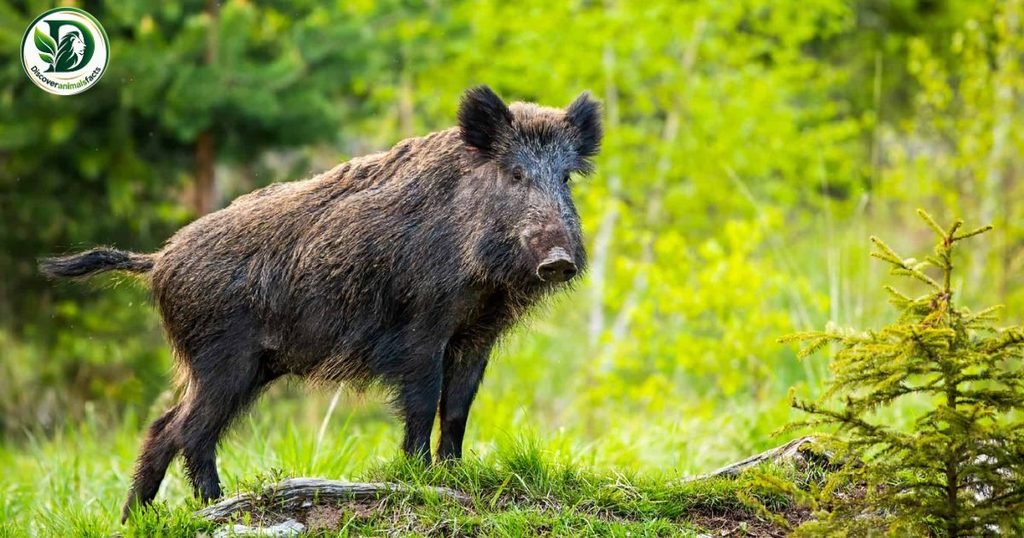
Wild boars are often seen as symbols of untamed wilderness, embodying the raw spirit of nature. However, their complex social structures reveal a world of intricate relationships among individuals.
These Animals With Tusks live in matriarchal groups called sounders, typically composed of females and their young, showcasing a unique approach to community and survival. Their adaptability enables them to thrive in diverse habitats, from dense forests to open grasslands, highlighting their resilience in the face of environmental changes.
Wild boars have a profound impact on their ecosystems. As omnivores, they play a critical role in seed dispersal, which aids in forest regeneration. This behavior contributes not only to the health of their habitats but also supports a wide array of other wildlife that depend on the same resources.
Explore: The Complete List of 15+ Animals With Pouches (With Images & Facts)
Conclusion
Animals With Tusks play a vital role in their ecosystems, serving not only as predators or prey but also contributing to the balance of their environments. From the majestic elephants to the formidable narwhals, these creatures exhibit remarkable adaptations that highlight the wonders of evolution.
The unique functions of tusks whether for foraging, defense, or social interaction are integral to the survival of these species. However, many tusked animals face threats such as habitat loss and poaching, which jeopardize their existence. It is essential for us to support conservation efforts and protect these incredible beings for future generations.
FAQs
What Other Animal Has Tusks?
In addition to elephants, several other animals possess tusks. Walruses are perhaps the most well-known; their elongated canine teeth serve various purposes, including defense and helping them haul out onto ice.
Which Animal has 700000 Teeth?
The animal with Animals With Tusks around 700,000 teeth is the giant squid. This cephalopod has a beak and radula, a tongue-like structure covered in tiny, sharp teeth used for feeding.
Do Hippos Have Tusks?
Yes, hippos do have tusks. These are actually elongated canine teeth that can grow throughout their lives and can be quite formidable in size. Tusks serve multiple purposes, including defense and establishing dominance within social hierarchies among hippos.
Which Animal Has the Biggest Tusks?
The animal with the biggest tusks is the walrus. Male walruses can have tusks that grow up to three feet long! These impressive tusks are actually elongated canine teeth, and they serve various purposes.