Top 20+ Animals That Eat Monkeys (With Pictures & Facts) 2026
Imagine a jungle where the playful sounds of monkeys can suddenly be silenced by the stealthy approach of a predator. Animals that eat monkeys embody the raw realities of survival in nature and challenge what we often think about the food chain.
Let’s we’ll shed light on the species that prey on monkeys and their significance in the natural world. You’ll come away with a deeper appreciation for the intricate relationships that drive biodiversity and the impact of these hunters on their primate counterparts.
List of Animals That Eat Monkeys
Below is the list of animals that eat monkeys:
- Leopards
- Lions
- Crocodiles
- Ocelots
- Martial Eagles
- Green Anaconda
- Fox
- Hawks
- Komodo Dragons
- Reticulated Python
- Philippine Eagle
- Chimpanzee
- Cheetahs
- Tigers
- Crowned Eagle
- Dhole
- Harpy Eagles
- Wild Dog
- Alligators
- Jaguars
Leopards
- Scientific Name: Panthera pardus
- Class: Mammalia
- Diet: Carnivorous
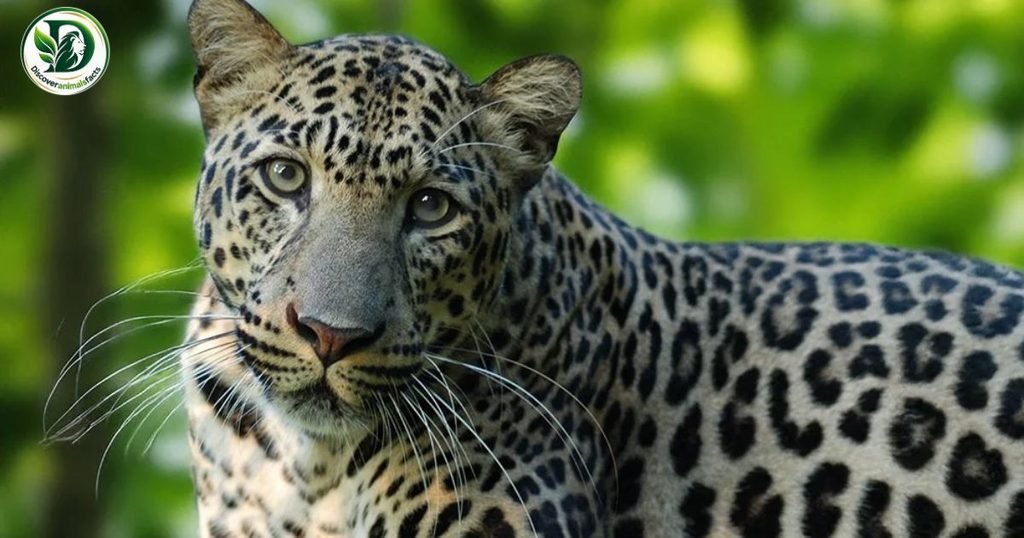
Leopards are among the most formidable hunters in the animal kingdom, known for their elusive nature and adaptability. These big cats often stalk the dense foliage of forests, where they can surprise unsuspecting monkeys, which form an important part of their diet.
Their hunting prowess extends to primates, including monkeys, which they often stalk with stealthy precision. Unlike many predators, a leopard’s strategy involves not just sheer power but also an acute awareness of its surroundings and the behavior of its prey.
By culling populations of herbivorous primates, leopards help prevent overgrazing of vegetation, fostering biodiversity and promoting healthier forest growth. This relationship highlights the intricate web of life, where even apex predators like leopards serve as critical players in the survival of their habitats, revealing the interconnectedness that defines our natural world.
Lions
- Scientific Name: Panthera leo
- Class: Mammalia
- Diet: Carnivorous
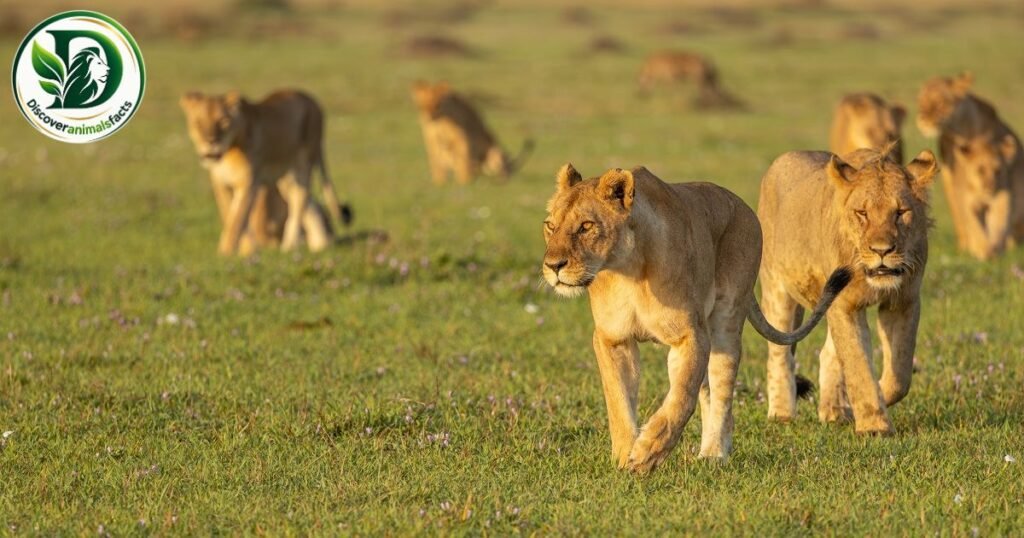
In the intricate tapestry of the animal kingdom, few dynamics are as startling as the predatory relationships involving monkeys. Lions, often romanticized as majestic kings of the jungle, venture into diverse territories beyond their typical savanna habitats. These apex predators have been known to hunt in the treetops when food sources dwindle, demonstrating a fascinating adaptability to their environment.
While it’s rare, there are accounts of lions targeting young monkeys, particularly when they wander too close to their lairs in search of food. But lions aren’t the only formidable foes in the world of monkey predation. Various species of snakes like the cunning green tree python also recognize the nutritional value monkeys provide when they descend from their arboreal homes.
These serpents possess an innate ability to strike with precision, illustrating the relentless cycle of nature where survival hinges on seizing fleeting opportunities. It’s a stark reminder that in the wild, every creature, large or small, plays a role in maintaining the balance of ecosystems.
Crocodiles
- Scientific Name: Crocodylus
- Class: Reptilia
- Diet: Carnivorous
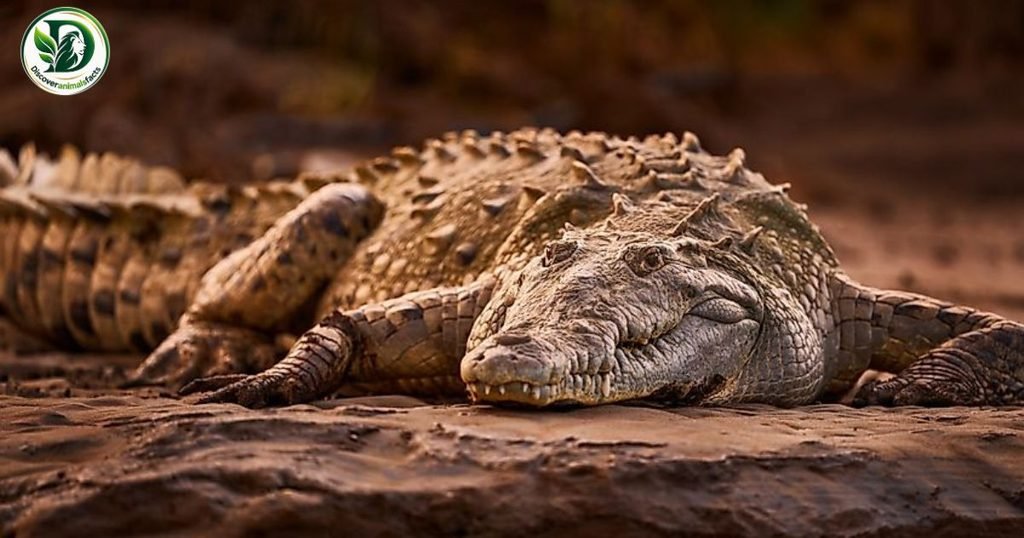
In the wild, the food chain can turn brutal, and crocodiles play a surprising role as apex predators capable of snatching monkeys that venture too close to the water’s edge. While these reptiles are often viewed as opportunistic hunters, their ambush tactics reveal a calculated patience and explosiveness that few animals can rival.
Imagine a troop of monkeys frolicking by the riverside, completely oblivious to the lurking predator just beneath the surface. A fleeting distraction a splash, a rustle in the foliage and suddenly, a crocodile lunges, delivering a lesson in survival that forest folklore seldom captures.
But it’s not just crocodiles that pose a threat; large birds of prey and big cats, like leopards, also indulge in the occasional primate snack. With their nimble bodies and keen reflexes, these predators remind us that the evolutionary dance between species is ever-evolving, driven by the constant search for sustenance.
Ocelots
- Scientific Name: Leopardus pardalis
- Class: Mammalia
- Diet: Carnivorous
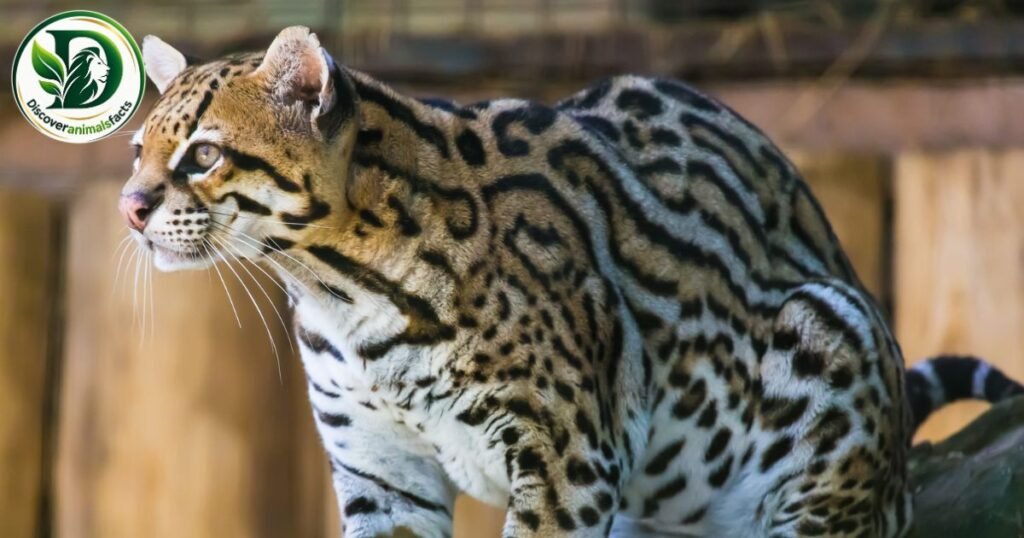
In the dense jungles of Central and South America, ocelots have established themselves as versatile hunters, showcasing a unique adaptability in their diet. While these elegant felines are often associated with prey like rodents and birds, they also seize the opportunity to claim a monkey when the circumstances align.
Their keen sense of sight and stealth allows them to approach unsuspecting troops of monkeys, particularly the smaller species that inhabit the lower canopies, making ocelots both skillful and efficient predators.
Unlike pack hunters, ocelots rely on their ability to camouflage and blend into the forest floor, which gives them the upper hand in stalking agile monkeys. This ability to hunt larger prey like monkeys not only enhances their diet but also underscores the complex web of interactions that sustain ecosystems.
Martial Eagles
- Scientific Name: Polemaetus bellicosus
- Class: Aves
- Diet: Hares and hyraxes
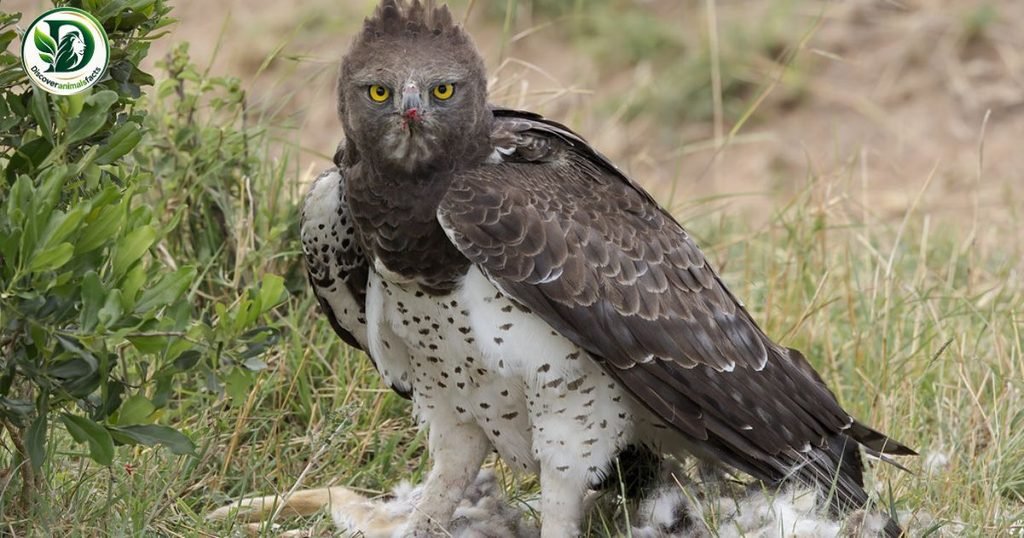
In the vast interconnected webs of the animal kingdom, the Martial Eagle stands out as an apex predator, showcasing both remarkable hunting prowess and a taste for the unconventional. Known to soar high above the savannah, these formidable birds possess incredible eyesight that allows them to spot prey from great distances.
When their keen vision locks onto a troop of monkeys, it’s a thrilling chase that unfolds in the canopy of trees and open spaces, where their size and agility play pivotal roles. What’s particularly fascinating is how the Martial Eagle’s diet varies across regions, revealing their adaptability.
In areas where monkey populations are abundant, these eagles have refined their hunting strategies, often targeting juvenile monkeys that are less nimble and more vulnerable. This behavior not only highlights the delicate balance of predator and prey dynamics but also serves as a striking reminder of nature’s relentless cycle of survival.
Green Anaconda
- Scientific Name: Eunectes murinus
- Class: Reptilia
- Diet: Carnivorous
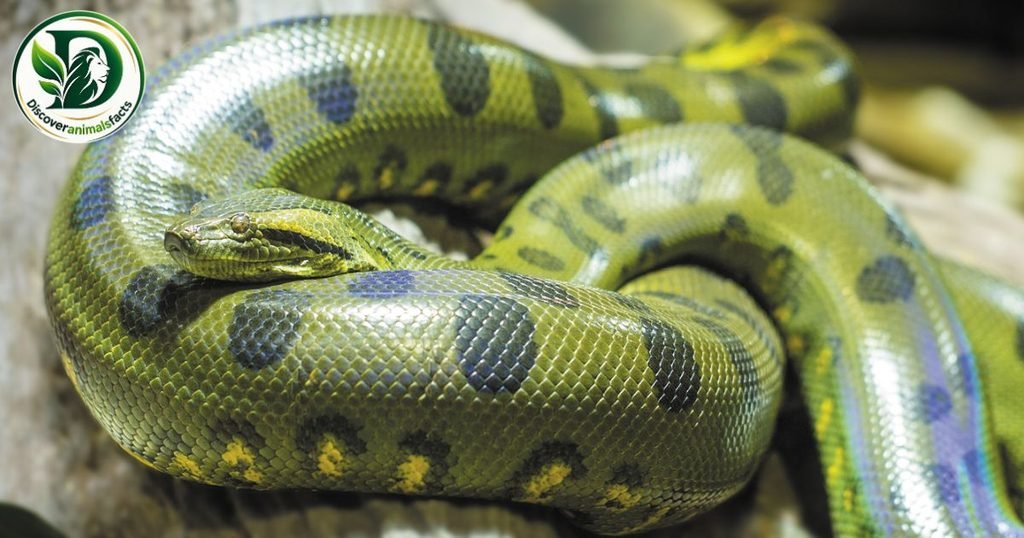
In the lush, vibrant jungles of South America, the Green Anaconda reigns as one of the most formidable predators, and its diet may surprise some. While often associated with fish and rodents, these massive snakes are also known to strike at primates when opportunity knocks.
Their powerful, muscular bodies can overpower prey much larger than themselves, making them efficient ambush hunters. Imagine a sleek, coiling shadow emerging from the water, patiently waiting to ensnare an unsuspecting monkey venturing too close to the riverbank.
The dynamics of such predation reshape our understanding of ecosystem balance, where even the cleverest of primates aren’t exempt from the food web’s brutal reality. While monkeys typically rely on their agility and social structures for safety, instances of Green Anacondas successfully capturing and consuming these agile creatures highlight the delicate dance of survival in the wild.
Fox
- Scientific Name: Vulpes vulpes
- Class: Mammalia
- Diet: Foxes are omnivores
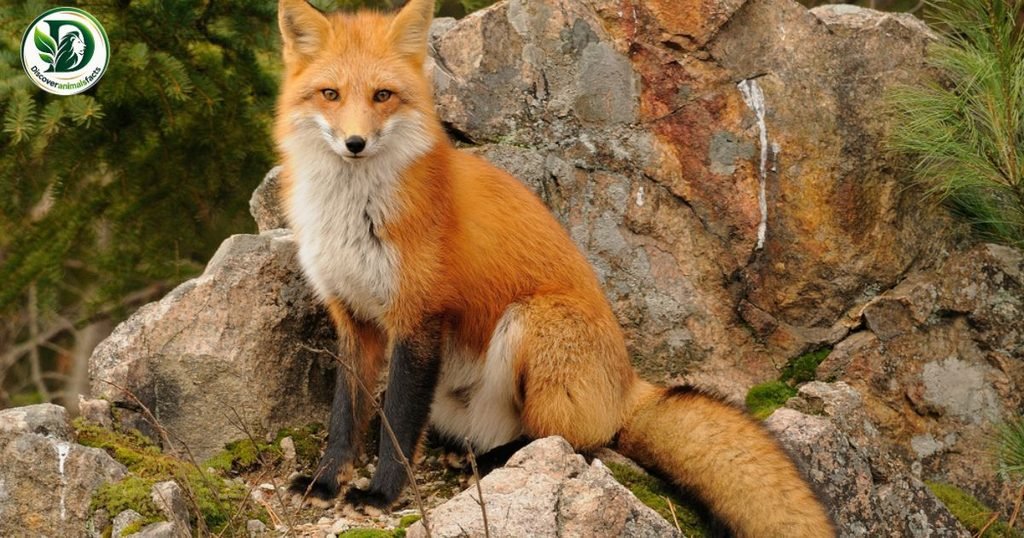
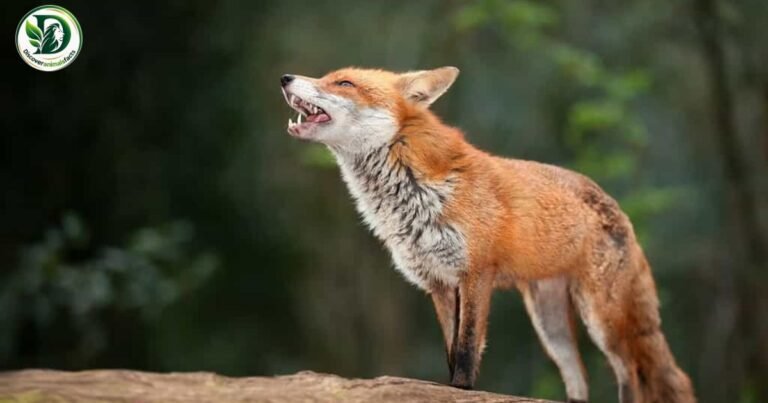
In the intricate tapestry of nature, certain predators have developed a taste for the unlikeliest of meal monkeys. Among these opportunistic hunters, the fox stands out as a cunning and adaptable member of the animal kingdom.
While typically associated with small mammals and birds, foxes have been spotted cunningly targeting young monkeys, especially in areas where their habitats overlap. The fox’s keen intelligence and agility allow it to stalk these primates with surprising stealth, demonstrating a remarkable versatility in its diet.
Interestingly, the predation of monkeys by foxes also sheds light on environmental changes and shifting ecosystems. As deforestation encroaches on traditional territories, foxes may expand their hunting repertoire, revealing how interconnected these food webs truly are.
Hawks
- Scientific Name: Accipitridae
- Class: Aves
- Diet: Beetles and earthworms
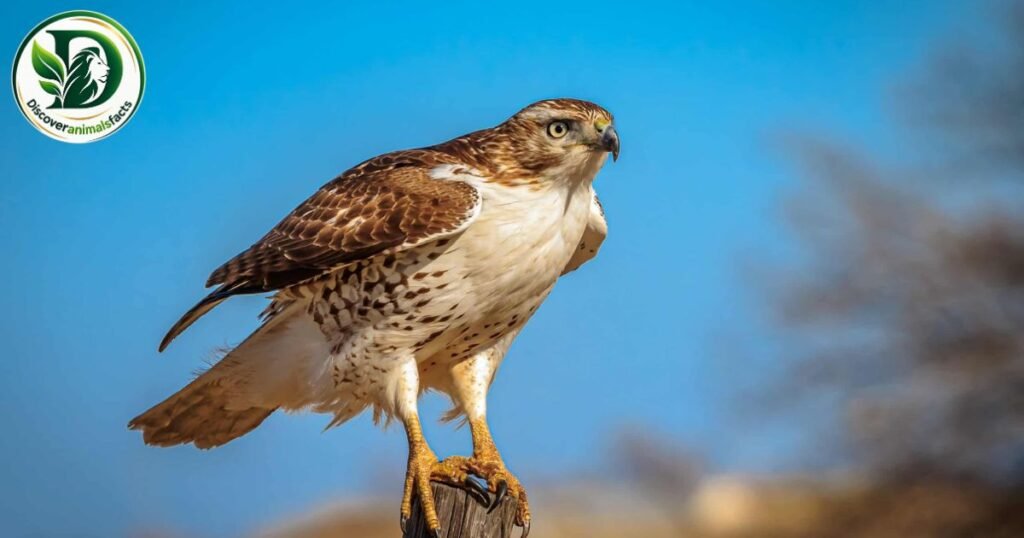
Hawks, with their keen eyesight and formidable hunting skills, are among the most surprising predators of monkeys. These raptors, soaring high above the treetops, often spot small primates moving in the canopy and swoop down with astonishing speed.
Their sharp talons and powerful beaks allow them to snatch smaller monkeys effortlessly, adding a striking twist to the food chain dynamics in forest ecosystems. This predation plays a crucial role in maintaining balance, as it prevents monkey populations from overwhelming their habitat.
In certain regions, larger carnivorous mammals, such as jaguars and leopards, also target monkeys. These feline hunters utilize stealth and strength, often lying in wait near trees that monkeys frequent. The drama of a leap or a pounce introduces an adrenaline rush to the forest, showcasing the survival instincts of both predator and prey.
Komodo Dragons
- Scientific Name: Varanus komodoensis
- Class: Reptilia
- Diet: Carnivorous
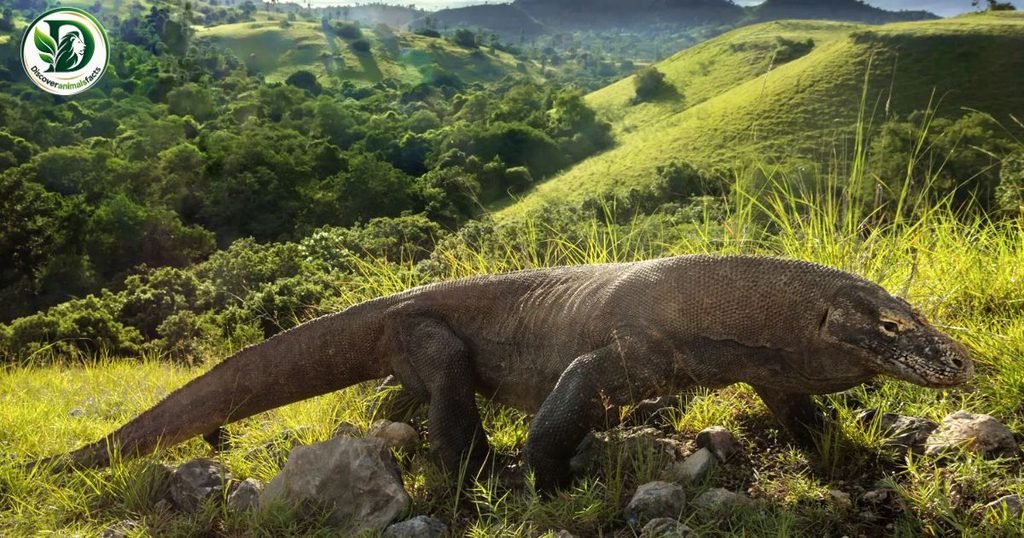
In the complex tapestry of the animal kingdom, Komodo dragons stand out as formidable predators capable of consuming a wide range of prey, including monkeys. These giant lizards, native to Indonesia, are not just renowned for their size but also for their unique hunting techniques.
With a keen sense of smell and a hunting strategy that combines stealth and patience, a Komodo dragon can quietly stalk monkeys that venture too close to the ground, catching them unawares. By preying on monkeys, they help regulate populations, maintaining a balance that prevents overgrazing and promotes the health of forest ecosystems.
This predation is not merely a brute force tactic; it also involves a calculated approach, as Komodo dragons often employ their potent venom to incapacitate prey, ultimately leading to a drawn-out hunt that showcases the intricate dynamics of predator and prey relationships in nature.
Reticulated Python
- Scientific Name: Malayopython reticulatus
- Class: Reptilia
- Diet: Carnivorous
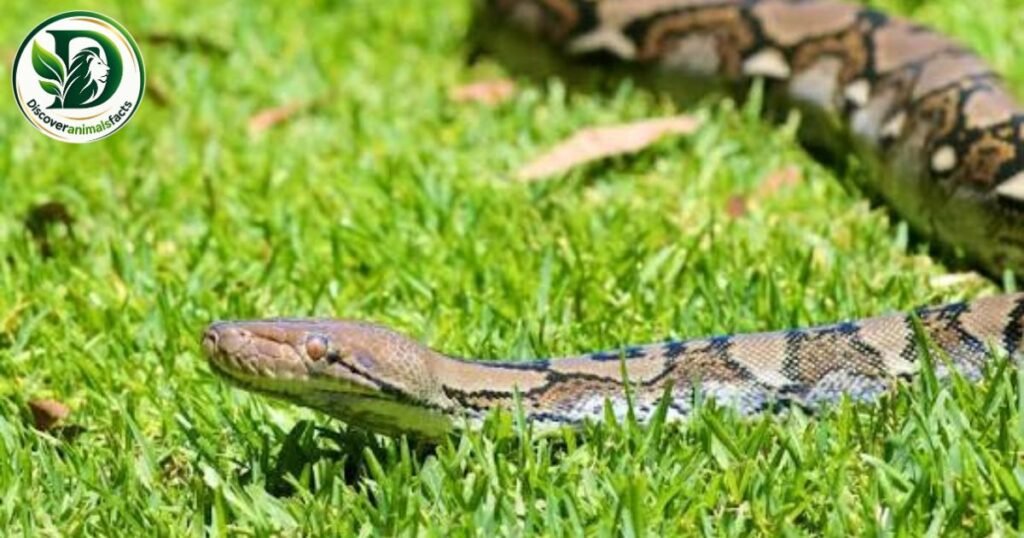
In the dense canopies of Southeast Asian forests, the Reticulated Python silently stalks its prey, showcasing an impressive array of hunting skills. These serpents can grow to lengths of over 20 feet, making them one of the longest snakes in the world.
With an extraordinary ability to blend into their surroundings, they rely on stealth to ambush unsuspecting monkeys that venture too close to the ground. Once captured, these agile hunters utilize their muscular bodies to constrict and swallow their prey whole, demonstrating the raw power of nature’s food chain.
But the Reticulated Python isn’t the only predator in this intricate ecosystem. Birds of prey, like the harpy eagle, also share a taste for monkeys, using their keen eyesight to swoop down and snatch young and unsuspecting individuals from the treetops. This predation plays a crucial role in maintaining balance within the ecosystem, as these apex predators help regulate monkey populations, ensuring the health of the entire forest habitat.
Philippine Eagle
- Scientific Name: Pithecophaga jefferyi
- Class: Aves
- Diet: Carnivorous
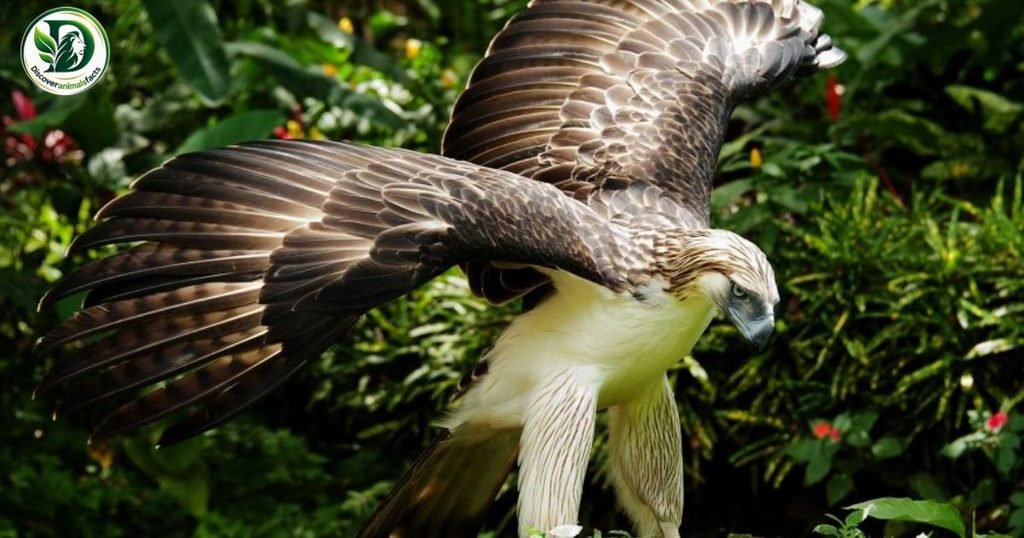
Few predators are as formidable as the Philippine Eagle, which stands as one of the most potent hunters of primates in its native habitat. With its impressive wingspan and sharp talons, this apex predator demonstrates a specialized hunting strategy that allows it to target monkeys with precision. Interestingly, the Philippine Eagle’s diet predominantly includes the critically endangered Tarsier and various species of monkeys, showcasing a delicate balance in the ecosystem where each meal can have significant repercussions.
In the canopy of the Philippines’ dense rainforests, the coexistence of the Philippine Eagle and its primate prey reveals a fascinating dynamic of survival. As these eagles soar above the treetops, their keen eyesight can spot a monkey from considerable heights, making them a constant threat to these agile primates. This predation drives monkeys to adapt behaviors such as heightened vigilance and nuanced social structures, forming intricate support systems within their troops to mitigate risks.
The Philippine Eagle’s role in regulating monkey populations plays a crucial part in maintaining biodiversity. By keeping these populations in check, the eagle ensures that the forest ecosystem remains balanced, allowing other species to thrive as well.
Chimpanzee
- Scientific Name: Pan troglodytes
- Class: Mammalia
- Diet: Omnivorous
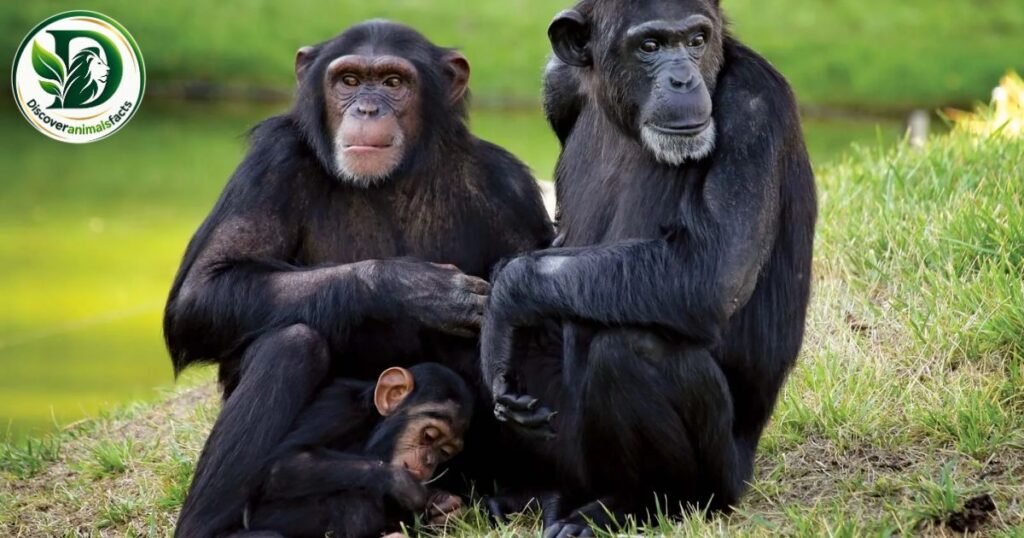
In the intricate web of nature, monkeys often find themselves at the crossroads of survival and predation, particularly when faced with cunning predators like chimpanzees. Known for their intelligence and dexterity, chimpanzees have been observed hunting in groups, effectively coordinating strategies to capture their primate cousins.
This gruesome dynamic challenges the common perception of chimpanzees as mere playful apes, unveiling their raw instincts and social complexities. Larger carnivores such as jaguars and even snakes occasionally add to the perilous world of monkeys.
Jaguars, with their powerful jaws, have been known to prey on monkeys when the opportunity arises, striking a delicate balance in the ecosystem. This predation serves as a harsh reminder of nature’s cycle, where every species, regardless of its social structure or intelligence, must navigate the constant threat of becoming another’s meal.
If you are interested to explore in learning about Top 10 Animals Without Tails so this is complete guide with facts.
Cheetahs
- Scientific Name: Acinonyx jubatus
- Class: Mammalia
- Diet: Carnivorous
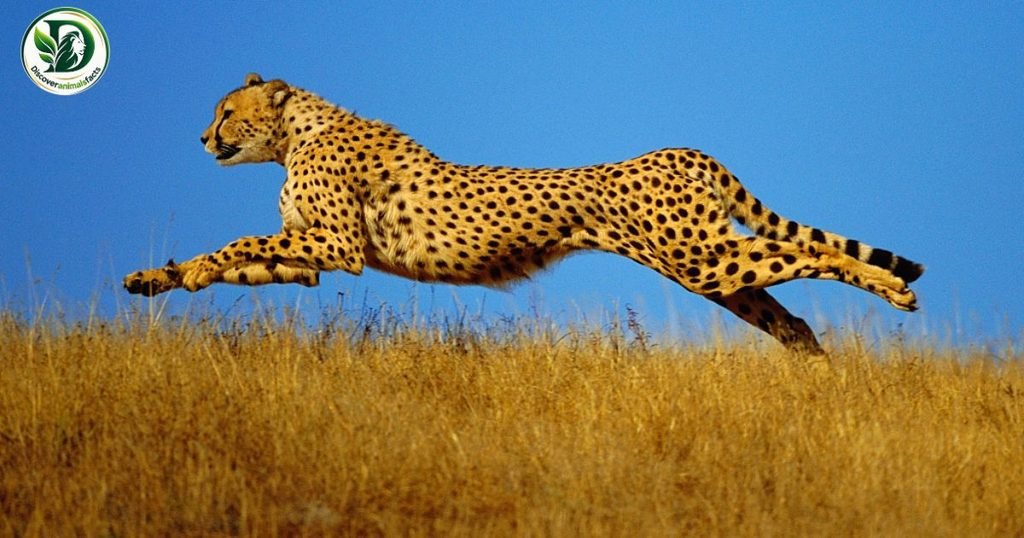
In the intricate web of nature, cheetahs often surprise observers with their diverse menu options, which can include the occasional primate. While these sleek hunters are renowned for their incredible speeds and focus on ungulate prey.
They are opportunistic hunters, adapting to their surroundings and the availability of food. In areas where monkeys share habitats with cheetahs, these agile cats may see a chance for a quick meal, demonstrating their adaptability in an ever-changing ecosystem.
The predatory behavior of cheetahs around monkeys often reveals a fascinating dynamic. Whether it’s juvenile monkeys that stray too far from their troops or smaller species that venture onto the ground, their fleeting gaze can quickly transform into a moment of desperation for survival.
Tigers
- Scientific Name: Panthera tigris
- Class: Mammalia
- Diet: Carnivorous
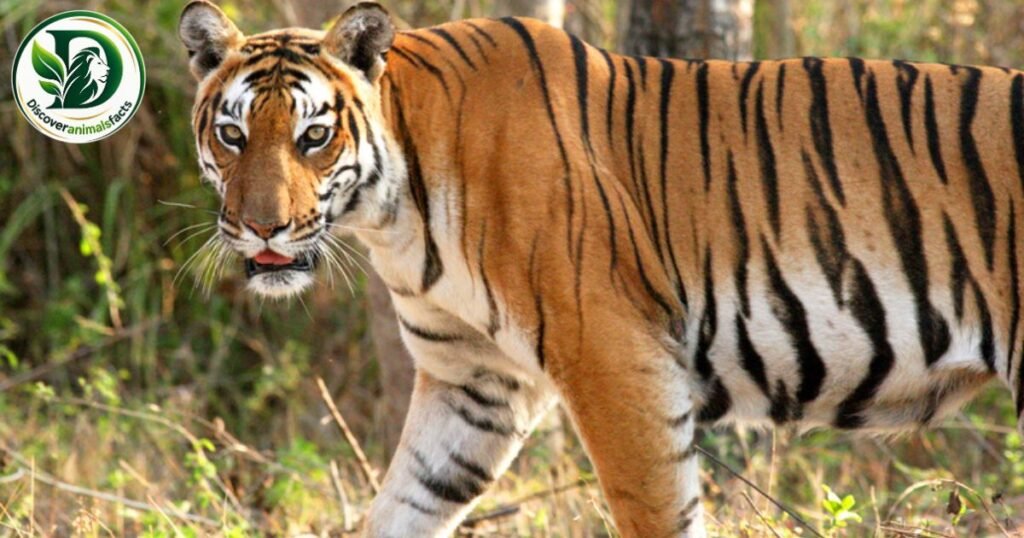
In the intricate web of nature, few predator-prey relationships are as striking as that between Tigers and monkeys. Tigers, with their stealth and immense strength, have adapted to an impressive range of habitats, from dense jungles to open grasslands. In these diverse environments, monkeys often traverse the trees, showcasing agility and intelligence.
Their penchant for climbing can’t always save them; when a tiger prowls beneath, the danger is palpable. This predator is an opportunistic feeder and will seize the chance to hunt primates when they venture too close to the ground. The hunt is not merely about hunger, it’s a testament to the tiger’s role in maintaining ecological balance.
By controlling monkey populations, tigers prevent overgrazing of vegetation that could result from unchecked primate numbers. Interestingly, interactions between these two species also prompt unique behaviors in monkeys, such as increased vigilance and altered foraging patterns.
Crowned Eagle
- Scientific Name: Stephanoaetus coronatus
- Class: Aves
- Diet: Carnivorous
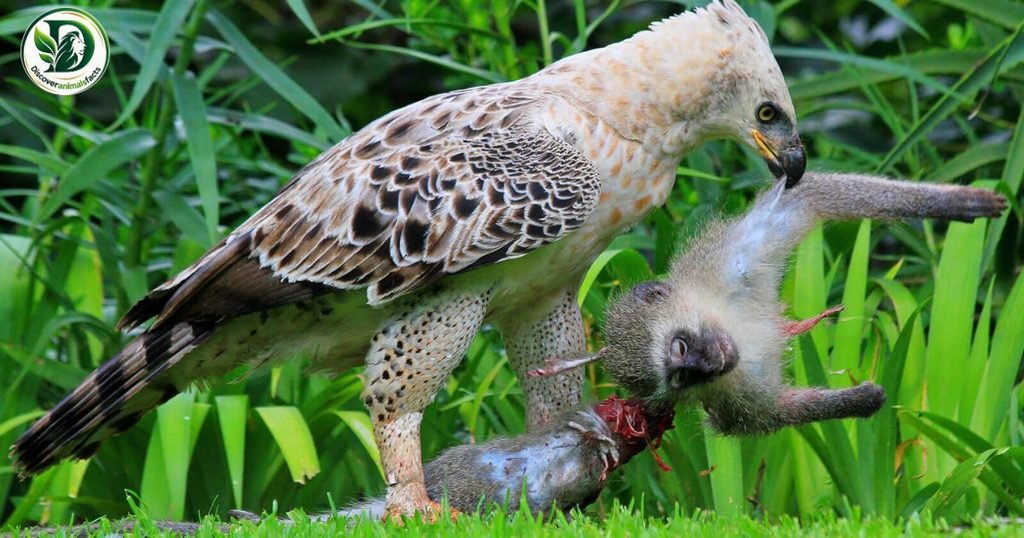
Among the jungle’s most formidable predators is the Crowned Eagle, known for its extraordinary hunting skills and keen eye for unsuspecting prey. This magnificent bird, with its impressive wingspan and sharp talons, has been observed swooping down on monkeys in their arboreal habitats.
Incredibly, the Crowned Eagle can weigh up to 10 kg and can lift up to half its weight in prey making it one of the few avian hunters capable of targeting monkeys as mainstays of its diet. Beyond sheer size, the Crowned Eagle’s hunting strategy is a masterclass in patience and precision.
It often perches silently in tall trees, scanning the canopy for movements, waiting for the opportune moment to strike. Monkeys, usually adept at navigating the treetops, are far from invincible; their playful, curious antics can sometimes lead them into the eagle’s grasp.
Dhole
- Scientific Name: Cuon alpinus
- Class: Mammalia
- Diet: Carnivorous
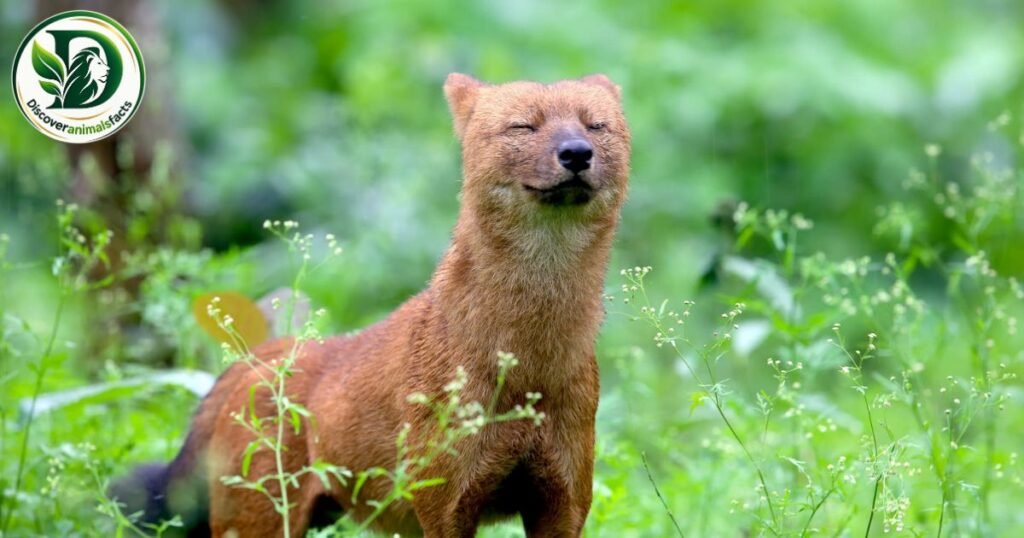
In the intricate tapestry of the animal kingdom, the Dhole, or Asiatic wild dog, emerges as a captivating predator known for its cunning hunting strategies. Found primarily in the forests of Southeast Asia, this social canine thrives on teamwork, often hunting in packs to take down larger prey, including monkeys.
Their adaptability and group dynamics allow them to exploit the dense canopies where many primates dwell, showcasing a blend of agility and intelligence in their pursuit. The Dhole’s role in the ecosystem is crucial, maintaining the delicate balance between species.
By preying on monkeys, these wild dogs help regulate primate populations, preventing overgrazing and promoting biodiversity. While the Dhole may elicit sympathy as a threatened species itself, its predatory instinct is a fundamental aspect of nature’s intricate design illustrating that even the most charismatic creatures are intertwined in a cycle of life and death, where survival often means being on someone else’s dinner plate.
Harpy Eagles
- Scientific Name: Harpia harpyja
- Class: Aves
- Diet: Carnivorous
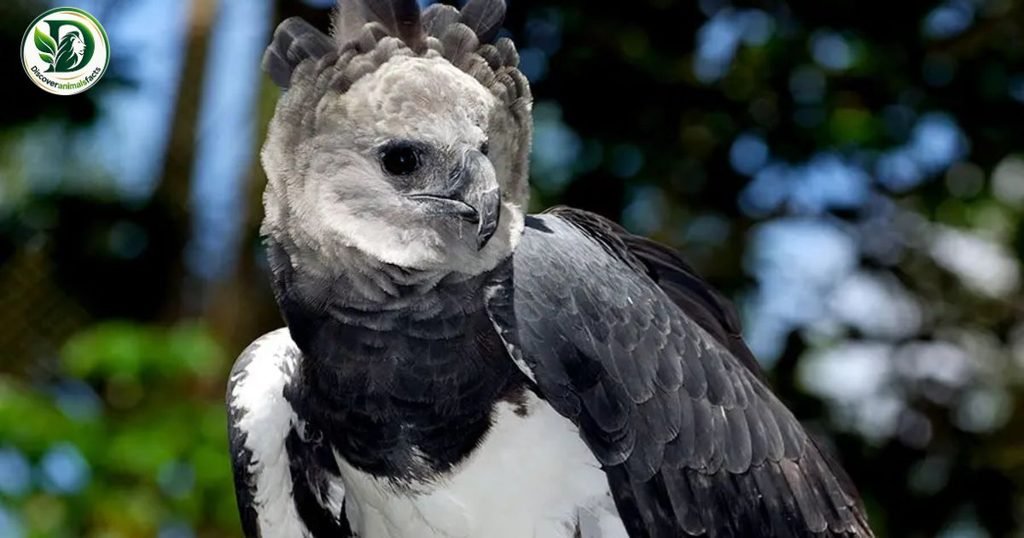
In the dense canopies of Central and South America, the Harpy Eagle reigns as a formidable predator, known to occasionally feast on monkeys. With its impressive wingspan, sharp talons, and keen eyesight, this apex avian hunter targets the agile primates that leap through the treetops.
It’s fascinating to consider how the Harpy Eagle’s hunting strategy plays out; it silently perches on a branch, waiting patiently, before launching a swift and calculated attack that can leave a monkey’s defenses in disarray. While the Harpy Eagle is often highlighted for its prowess, it’s essential not to overlook the broader ecological role that these predatory dynamics create.
The predation on monkeys by such raptors not only influences monkey populations but also contributes to the health of the forest ecosystem, ensuring a balance among species. This interplay reminds us that even within the realm of the wild.
Wild Dog
- Scientific Name: Lycaon pictus
- Class: Mammalia
- Diet: Carnivorous
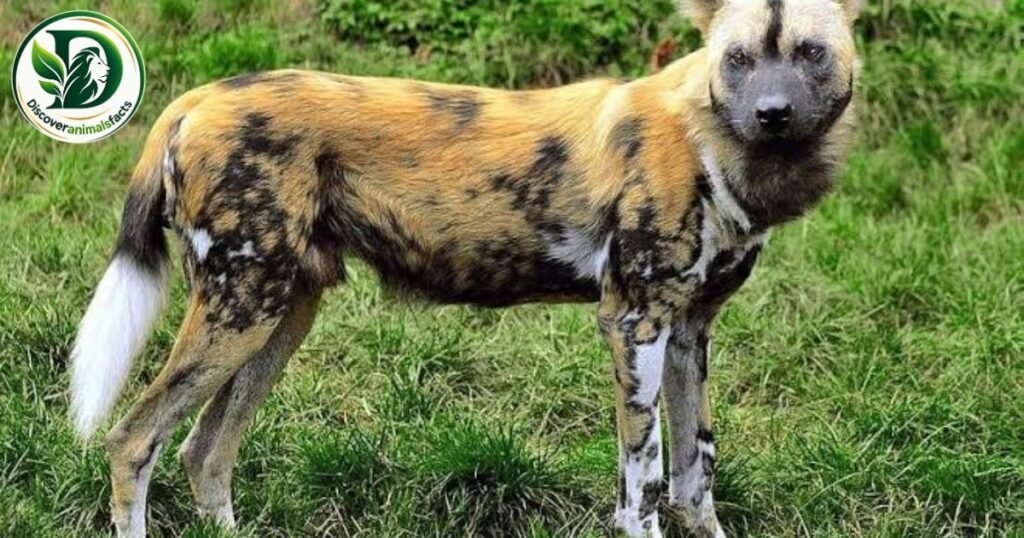
In the untamed expanses of the rainforest and savanna, the predatory hierarchy often surprises. Wild dogs, known for their strategic hunting techniques, have been observed targeting primates, including monkeys, as part of their diverse diet. These agile canines are not just opportunistic hunters; they employ teamwork to outsmart their prey.
Their relentless pursuit showcases nature’s raw tactics, where agility meets group dynamics, an intricate dance of survival in the wild. Interestingly, the diet of wild dogs may vary dramatically depending on their environment.
In regions where monkeys are abundant, these cunning hunters will adapt, making them a formidable threat to various primate species. This predation can have significant ecological implications, influencing monkey populations and their behavior.
Alligators
- Scientific Name: Alligator mississippiensis
- Class: Reptilia
- Diet: Carnivorous
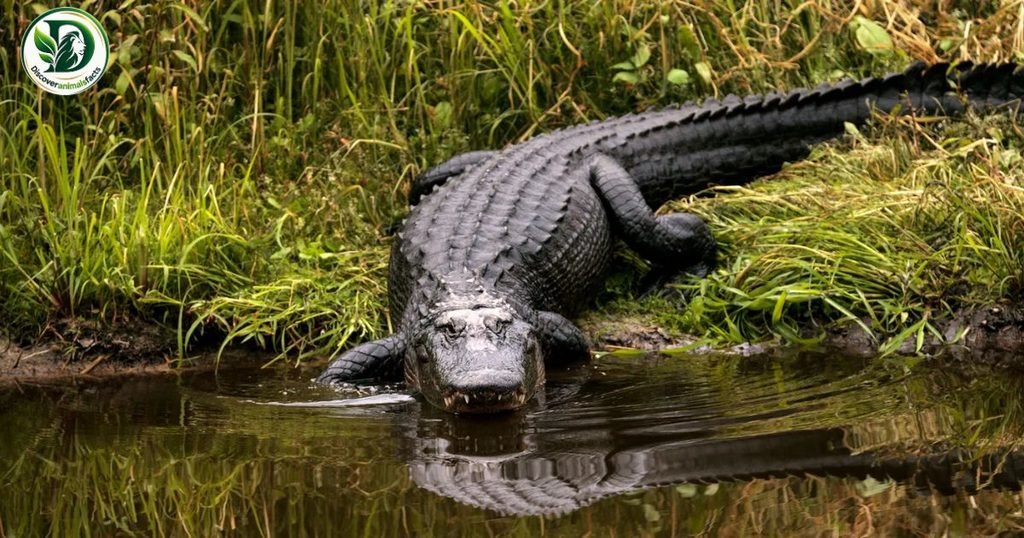
In the dense jungles and swamps where monkeys swing from branch to branch, the lurking presence of alligators adds a different layer of danger. As apex predators, alligators often lie in wait at the water’s edge, their stealthy camouflage making them almost invisible to the playful primates above.
When a monkey ventures too close to the water for a drink or a cool dip, a swift strike can turn their carefree moment into a life-or-death struggle, showcasing the stark reality of the food chain. Beyond alligators, other unexpected predators also capitalize on the vulnerability of monkeys.
Large birds of prey like harpy eagles have the strength and speed to snatch them mid-leap, while larger felines, such as jaguars, prowl the jungle floor, often targeting monkeys as a major food source. These interactions highlight not only the threats faced by monkeys but also the intricate balances within ecosystems where survival hinges on instinct, adaptability, and the continual dance of predator and prey.
Jaguars
- Scientific Name: Panthera onca
- Class: Mammalia
- Diet: Carnivorous
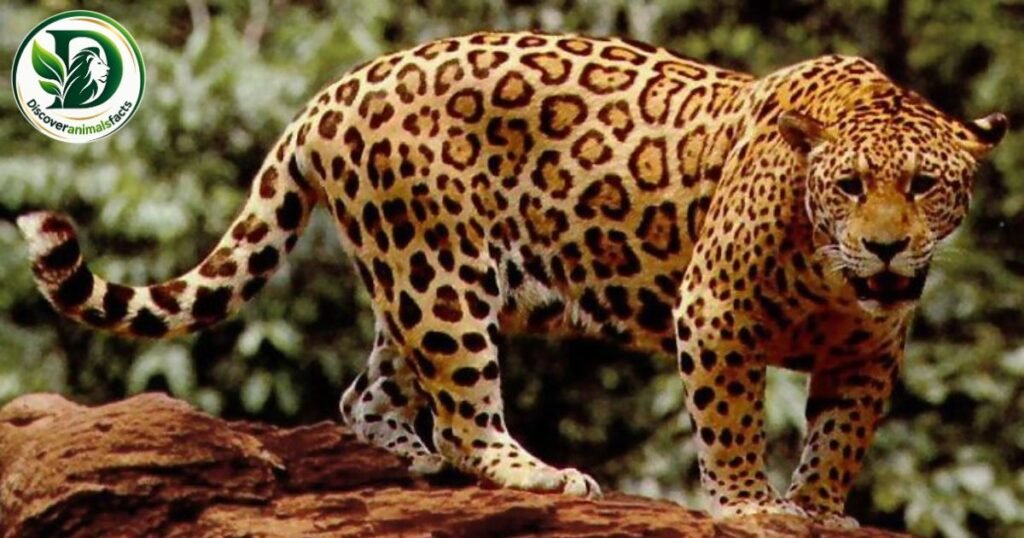
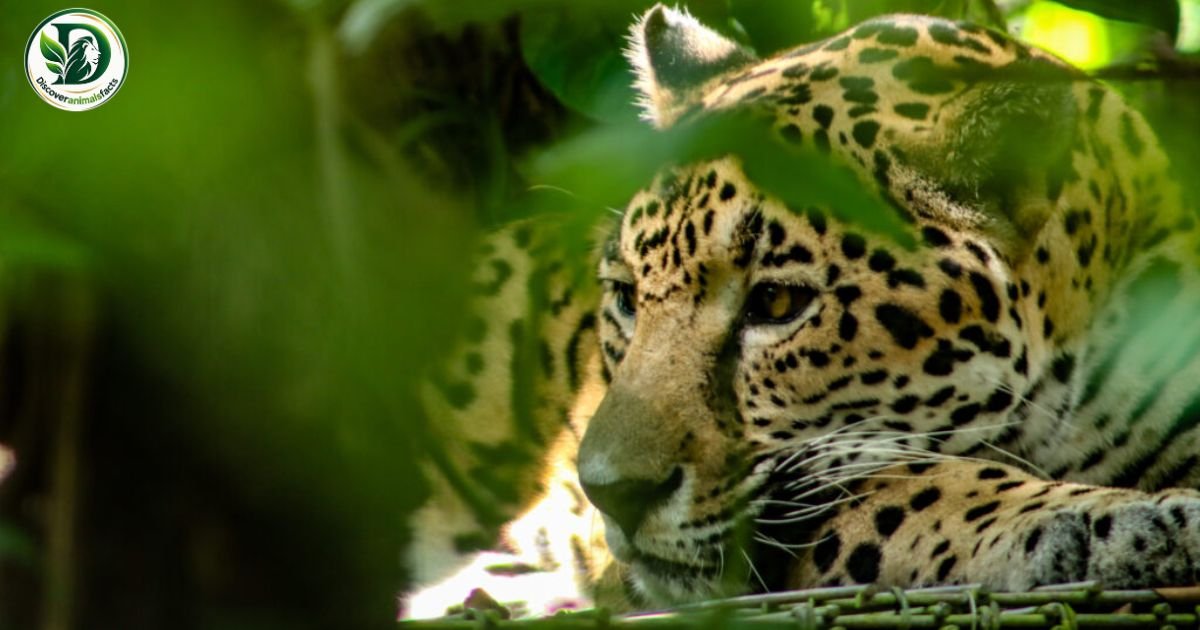
In the dense jungles of Central and South America, jaguars reign as apex predators, intent on maintaining the delicate balance of their ecosystem. These powerful cats have a particular affinity for monkeys, which, despite their agility and social structures, often find themselves on the wrong side of the food chain.
Jaguars demonstrate an extraordinary hunting technique known as “silent ambush,” allowing them to stalk their primate prey with stealth and precision. With a bite force that can crush bone, they are uniquely adapted to take down these nimble creatures, showcasing nature’s raw brutality.
Interestingly, the relationship between jaguars and monkeys is not merely predatory; it’s a cog in the larger ecological wheel. By preying on monkey populations, jaguars help regulate the dynamics of forest habitats, ensuring that no single species dominates.
Explore: List Of Animals Like Foxes
Conclusion
In the intricate web of nature, the dynamic feeding relationships highlight how predator and prey coexist. Animals That Eat Monkeys , such as certain big cats and snakes, play essential roles in maintaining ecological balance. These predators help control monkey populations, ensuring healthy habitats for other species.
Understanding these interactions deepens our appreciation for the complexity of ecosystems and the delicate balance needed for survival. As we explore the fascinating world of animal diets, let us remain mindful of the vital roles all creatures play in the circle of life.
FAQ’s
What Animals Eats Monkeys?
Monkeys face a number of natural predators in the wild, with several species known to actively hunt them. One of the most notorious among these is the big cat, particularly the leopard.
What are some Animals that Eat Monkeys in the Rainforest?
In the lush canopies of the rainforest, a variety of predators have developed a taste for monkeys. One of the most notorious is the jaguar, a masterful hunter known for its stealth and strength.
Are There Any Animals That Eat Monkeys ?
Yes, there are indeed several animals that prey on monkeys, showcasing the harsh realities of the animal kingdom. One of the most notable predators is the big cat family, particularly jaguars and leopards.
What Animals Do Eat Monkeys ?
Monkeys, despite their agility and intelligence, are not immune to predation. Various animals have developed hunting techniques to include monkeys in their diets. One of the most notable primate predators is the jaguar.
What Eats Monkeys ?
Monkeys, while agile and often clever, have a range of natural predators that hunt them in the wild. Large carnivores such as jaguars and leopards are among the most formidable threats, employing stealth and strength to ambush their primate prey.