Shy Animals in the World: 30+ Species You Rarely See
The animal kingdom is teeming with vibrant creatures, yet some of the most fascinating are those that prefer to stay hidden in the shadows. Shy animals in the world often evade our attention, captivating those curious enough to seek them out.
These elusive beings not only enriches our knowledge of biodiversity but also highlights the importance of preserving their habitats. Let’s explore several of these shy animals, revealing their unique behaviors and the challenges they face in a world that often overlooks them.
List of Most Shy Animals in The World
Below is the list Cute Shy Animals In the World:
- Deer
- Slow Loris
- Cheetah
- Sloth
- Fossa
- Platypus
- Saola
- Snow Leopard
- Koala
- Red Squirrel
- Kiwi
- Quokka
- Okapi
- Tarsier
- Dik-Dik
- Hedgehog
- Kakapo
- Red Panda
- Giant Anteater
- Pangolins
- Aye-aye
- Maned Wolf
- Binturong
- Meerkat
- Fennec Fox
- Aardvarks
- Giant Panda
- Axolotl
- Kangaroo
- Spoon-billed Sandpiper
Deer
- Scientific Name: Cervidae
- Class: Mammalia
- Diet: Herbivore
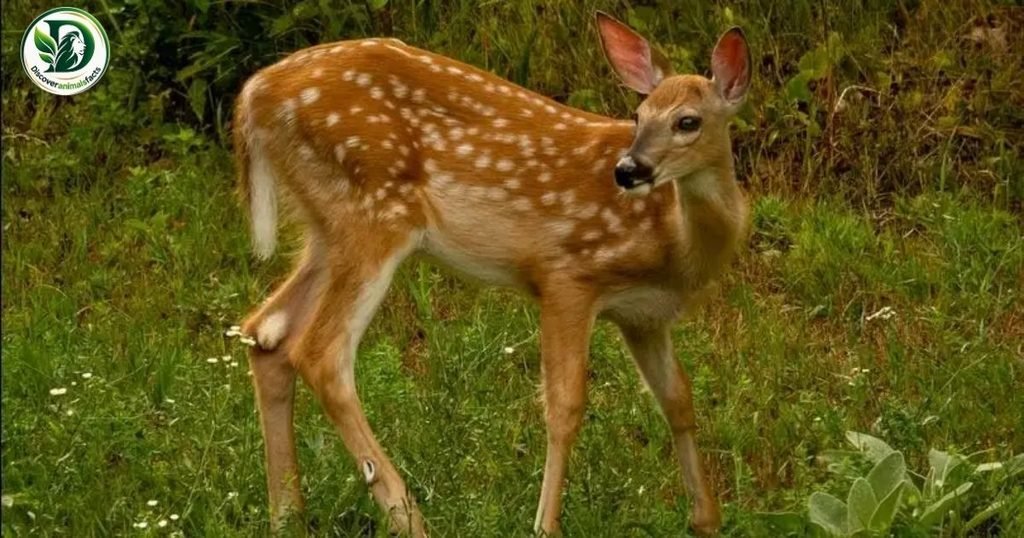
In the heart of the forest, deer exemplify the beauty of shyness in the animal kingdom. These graceful creatures have an innate ability to blend into their surroundings, utilizing their muted earth-toned coats as both camouflage and a defense mechanism.
Many other animals that thrive on social interaction, deer belong to animals that are shy but friendly or small family groups. Their cautious nature isn’t just for survival; it also allows them to experience the world with heightened awareness, delicately tuning into the rustling leaves or distant calls of predators.
The shy behavior of deer goes beyond mere avoidance, it reflects a deep evolutionary strategy that speaks to the importance of observation in the animal realm. As they flick their ears and remain motionless, even the slightest movement or sound can trigger their instinctual flight response.
Slow Loris
- Scientific Name: Nycticebus
- Class: Mammalia
- Diet: Omnivore
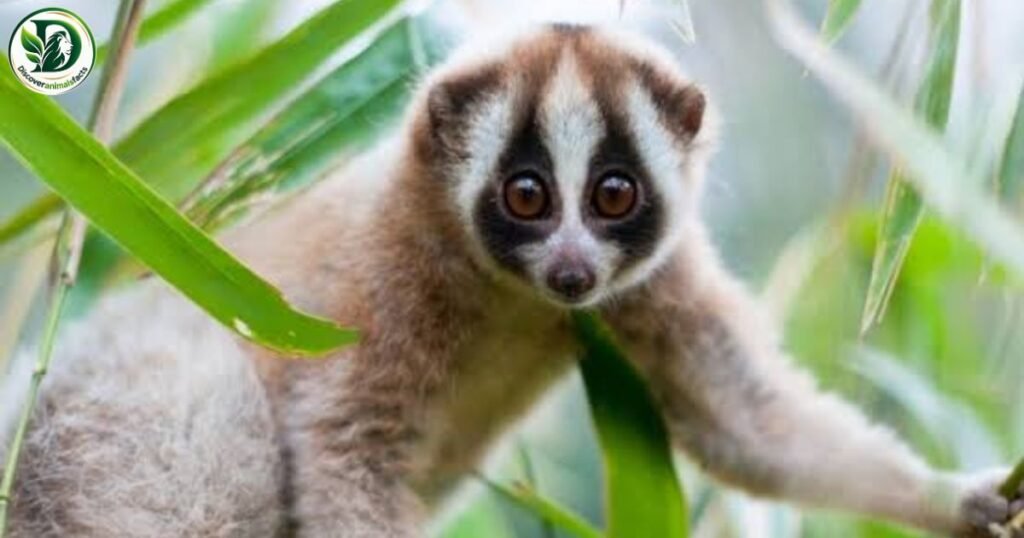
Slow Loris belongs to the most shy animals and enigmatic in the world, a small primate renowned for its large, expressive eyes. Native to Southeast Asia, this nocturnal creature is a master of stealth, often avoiding detection by remaining motionless in the trees.
With its slow, deliberate movements, it blends seamlessly into its surroundings, relying on a unique combination of camouflage and caution to navigate its environment. The Slow Loris’s fascinating defense mechanism secreting toxins from its elbows provides an added layer of protection, making it both adorable and formidable.
Despite its shy nature, the Slow Loris faces significant threats, primarily due to habitat loss and the illegal pet trade. These gentle beings are often portrayed as cute and cuddly, but their delicate demeanor requires understanding and respect rather than exploitation. Conservation efforts are crucial, as the Slow Loris plays an essential role in its ecosystem, helping to maintain the health of forests through seed dispersal.
Cheetah
- Scientific Name: Acinonyx jubatus
- Class: Mammalia
- Diet: Carnivore
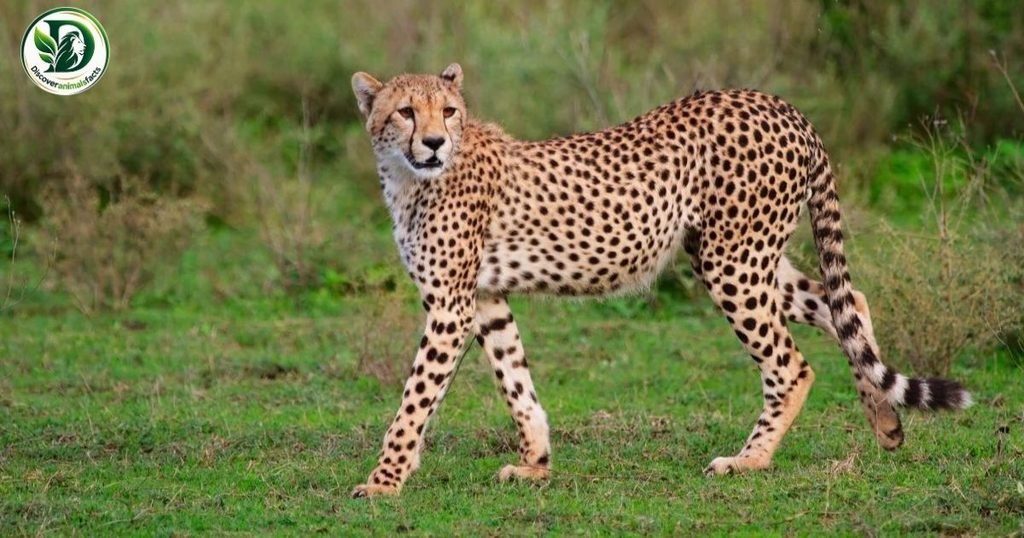
In the vast tapestry of the animal kingdom, shyness manifests in surprising ways, even among species known for their prowess, such as the cheetah. While these majestic big cats are renowned for their incredible speed and hunting skills, they exhibit a remarkable level of timidity, especially when compared to their more assertive counterparts.
Cheetahs belong to animals that are shy but strong. In the wild, young cheetahs often seek refuge in the tall grasses, using their coat’s camouflage to blend into their surroundings, a survival strategy that prevents unwanted attention from predators and competitors alike.
Beyond their physical adaptations, the behavior of shy animals like the cheetah sheds light on the delicate balance of ecosystems. Their reticence often leads to interesting social dynamics. Cheetahs are known to form small family units, unlike lions that thrive in larger prides; their preference for solitude and smaller groups reduces competition for food and enhances the survival of their young.
If you are interested to learn about Animals That Eat Monkeys , this is complete guide with facts.
Sloth
- Scientific Name: Folivora
- Class: Mammalia
- Diet: Herbivore
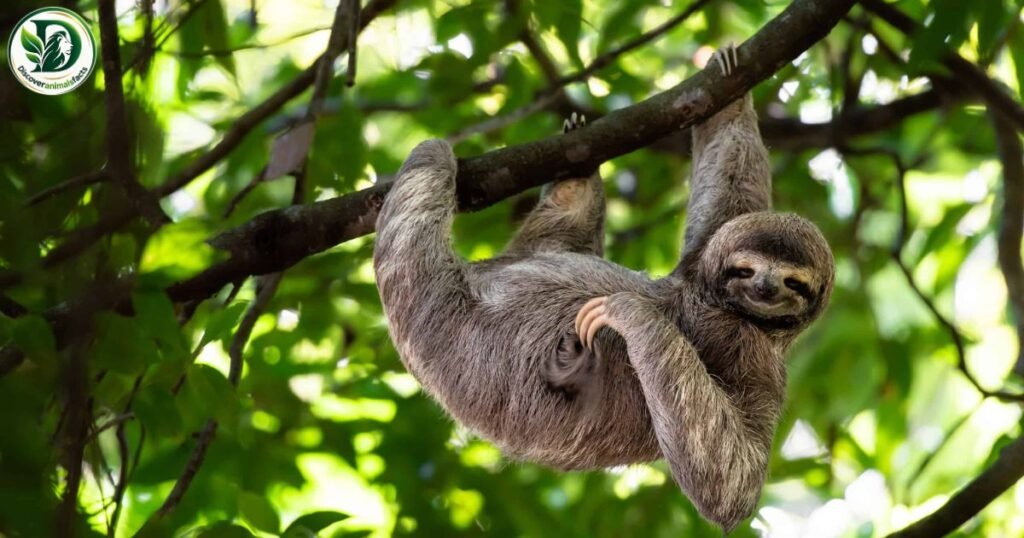
In the lush canopies of Central and South America, the sloth embodies the essence of shyness. These slow-moving creatures prefer the company of their leafy surroundings, often blending seamlessly into the trees to evade both predators and human attention.
Their deliberate movements reflect a lifestyle that shuns the chaotic pace of the jungle, making them masters of stealth in a world where speed often equates to survival. The sloth’s are cute shy animals such as a diet primarily consisting of leaves allow them to thrive in solitude, showcasing the beauty of an unhurried existence.
Similarly, the elusive binturong, also known as the “bearcat,” exhibits a fascinating blend of shyness and curiosity. Nighttime prowlers by nature, these solitary mammals communicate with a distinct, popcorn-like scent to navigate their dense forest home. Their cautious demeanor serves as a reminder that not all animals thrive in the spotlight; many, like the binturong, prefer to weave their stories in the shadows.
Fossa
- Scientific Name: Cryptoprocta ferox
- Class: Mammalia
- Diet: Carnivore
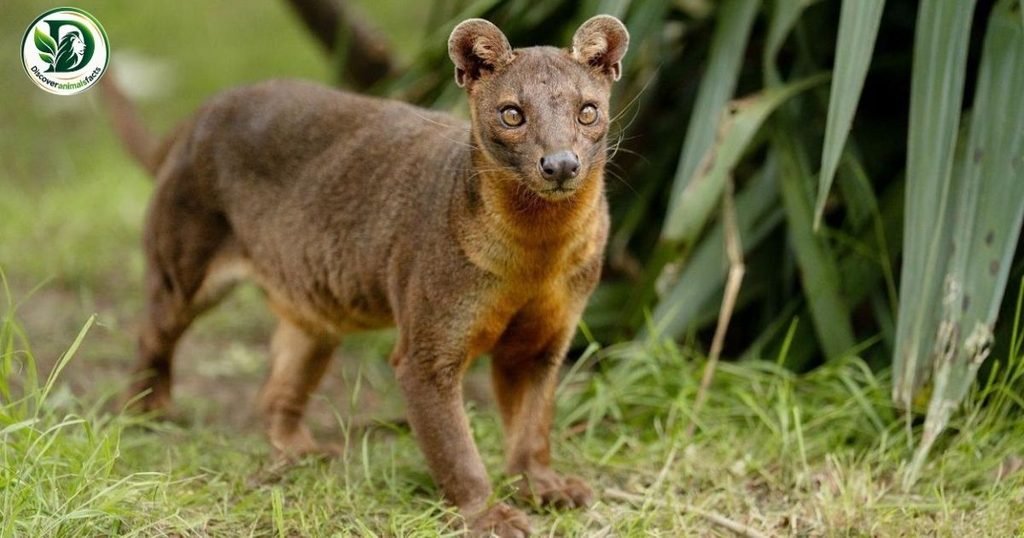
In the lush forests of Madagascar, the elusive fossa captivates the imagination with its blend of feline grace and canid essence. Unlike the more boisterous wildlife, Fossa belongs to shy animals but this dangerous carnivore tends to vanish into the underbrush at the mere hint of human presence.
With its lithe body and elongated tail, the fossa embodies stealth, preferring to navigate the treetops and hunt lemurs under the cover of darkness. Its elusive nature underscores the delicate balance of its ecosystem, reminding us of the fragility of life in a world where human encroachment threatens even the most hidden of species.
Similarly, the gentle pangolin, often dubbed the world’s most trafficked mammal, exemplifies the complexities of shyness in the animal kingdom. Its armored scales may serve as a defense mechanism, but they also symbolize its intrinsic reclusion. When faced with danger, this solitary creature curls into a ball, becoming almost invisible against the forest floor.
Platypus
- Scientific Name: Ornithorhynchus anatinus
- Class: Mammalia
- Diet: Carnivore
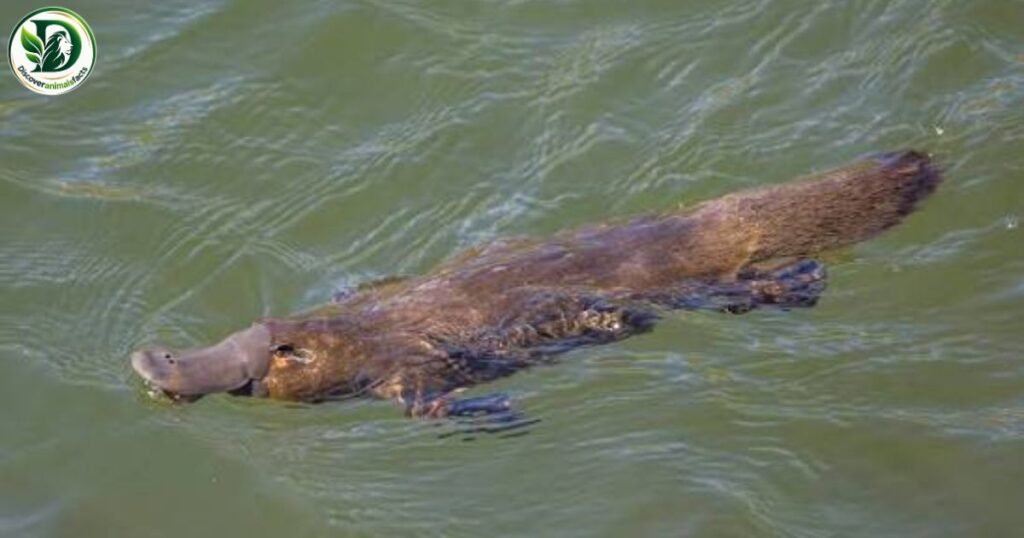
In the vast tapestry of wildlife, the platypus stands out not just for its unique appearance but also for its reserved nature. Found mainly in the freshwater ecosystems of Australia, this elusive creature spends much of its time submerged, foraging for insects and crustaceans.
Its shyness, combined with its bizarre duck-bill and webbed feet, makes spotting a platypus in the wild a rare and exhilarating experience. This rarity reflects a broader theme in the animal kingdom, the instinct to stay hidden as a means of survival, especially in a world of predators.
Similarly, the shy octopus, such as the common octopus, showcases the beauty of being discreet. Often found tucked away in the crevices of the ocean floor, these intelligent beings use their camouflage skills not just for hunting but also to evade threats. Their shyness is a testament to the intricate balance of life beneath the waves.
Saola
- Scientific Name: Pseudoryx nghetinhensis
- Class: Mammalia
- Diet: Herbivore
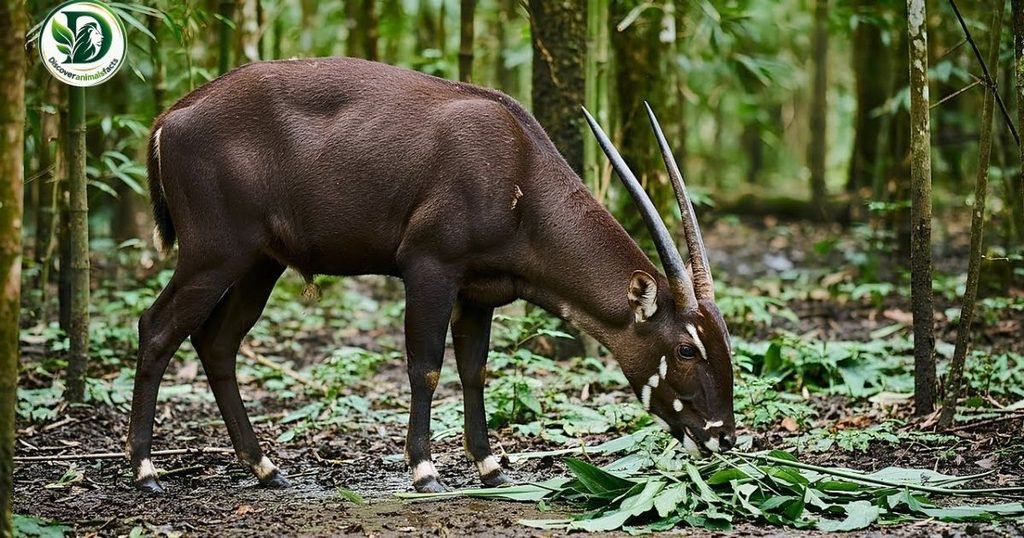
In the dense, mist-laden forests of Vietnam, the elusive Saola roams, often referred to as the “Asian unicorn.” With its striking horns and enigmatic presence, this shy animal remains one of the most elusive mammals on the planet.
Discovered only in 1992, the Saola has since captivated conservationists, symbolizing the urgent need to protect its dwindling habitat. The Saola’s shyness is a remarkable adaptation; it avoids human contact, making it incredibly difficult to study, observe, and ultimately save from extinction.
Similarly, the Okapi, found in the rainforests of the Democratic Republic of the Congo, showcases how shyness can serve as a powerful survival tool. With its zebra-like stripes blending into dappled light and shadows, the Okapi remains hidden from both predators and curious tourists alike.
Snow Leopard
- Scientific Name: Panthera uncia
- Class: Mammalia
- Diet: Carnivore
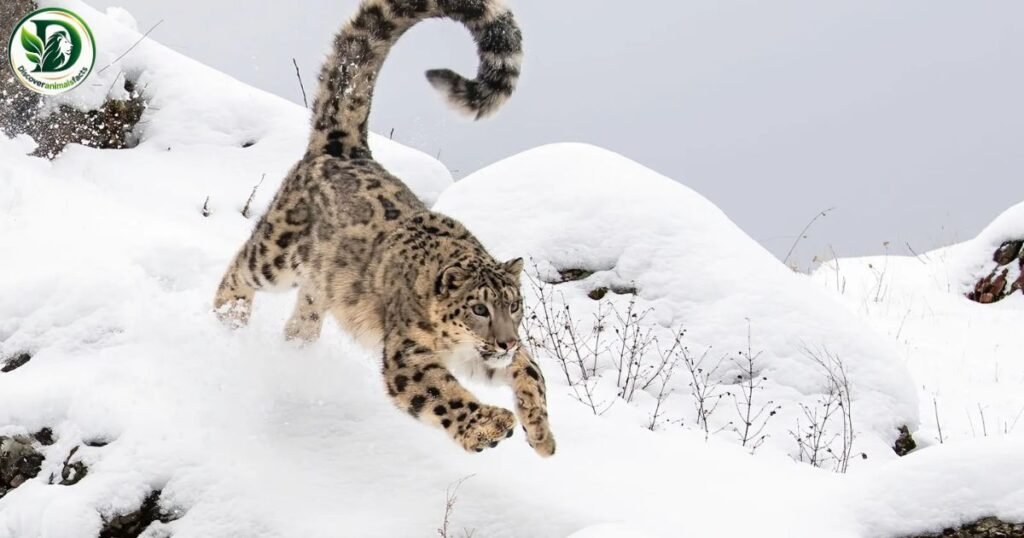
In the shadowy heights of the Himalayas, the elusive snow leopard exemplifies the paradox of shyness in the animal kingdom. Unlike more flamboyant big cats, these magnificent creatures rely on stealth and camouflage to thrive in their harsh environments, making them masters of concealment.
Their shy demeanor allows them to navigate their rocky terrain with grace, hunting primarily at dawn and dusk when human activity wanes. An encounter with a snow leopard is rare, often leaving onlookers both awestruck and yearning for more, encapsulating the profound mystery that surrounds these solitary hunters.
Similarly, the shy and enchanting axolotl, native to the lakes of Mexico, demonstrates a unique adaptation to its environment. While not as elusive as the snow leopard, its timid demeanor shines through as it navigates the murky waters, using its gills to remain hidden from predators. Interestingly, their shyness contributes to their survival, when threatened, axolotls often remain motionless, blending seamlessly into their surroundings.
Koala
- Scientific Name: Phascolarctos cinereus
- Class: Mammalia
- Diet: Herbivore
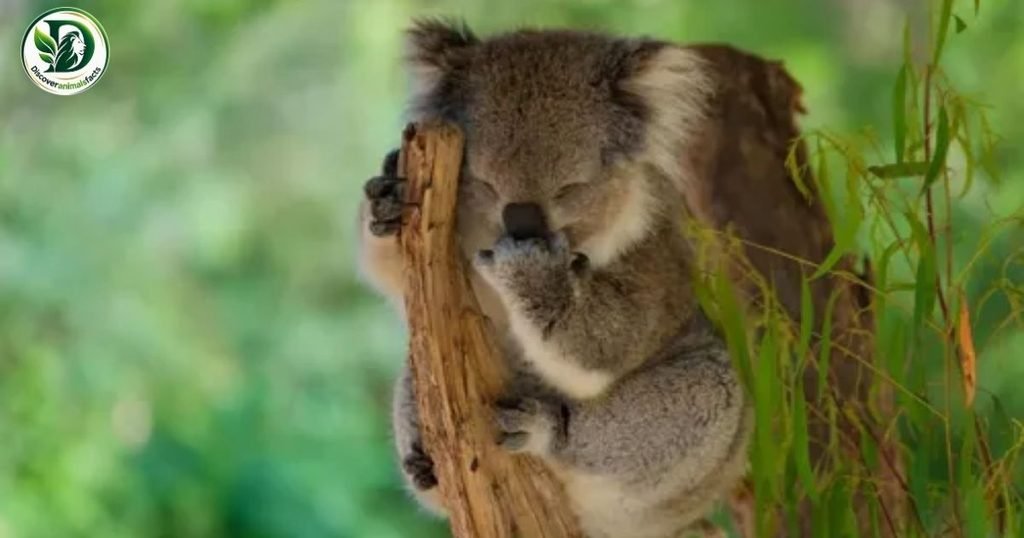
In the lush eucalyptus forests of Australia, the koala epitomizes shyness among wildlife. These adorable marsupials, often seen snoozing high in trees, prefer solitary lives away from bustling crowds.
Their limited social interactions are primarily driven by the need to conserve energy, as their diet of eucalyptus leaves is low in nutrients. This natural shyness, combined with their unique dietary requirements, makes them a fascinating study in the balance of ecology and behavior.
Another shy creature worth mentioning is the elusive pangolin, often found in the dense forests of Africa and Asia. With their armor-like scales and penchant for curling up into a tight ball when threatened, pangolins rely heavily on camouflage and a nocturnal lifestyle to evade predators.
Red Squirrel
- Scientific Name: Sciurus vulgaris
- Class: Mammalia
- Diet: Omnivore
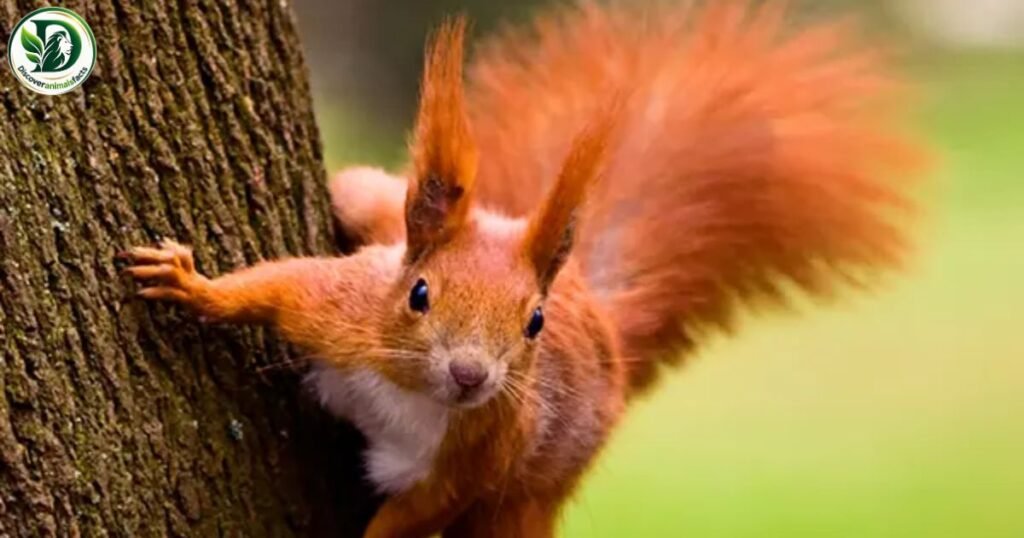
In the heart of North American forests, the red Squirrel exemplifies shyness in the animal kingdom. While their vibrant fur and playful antics charm passersby, these creatures often retreat into the canopies at the slightest hint of human presence.
This instinctual caution serves a dual purpose, it protects them from potential threats and allows them to thrive in their woodland habitat. Interestingly, their shyness is not merely a survival tactic; it also influences their social behavior, fostering a strong territorial sense.
The reticent nature of red squirrels promotes an ecological balance. Their preference to forage alone reduces competition for food and helps maintain the health of the forest ecosystem. As they quietly hoard seeds and nuts, they inadvertently plant new trees, acting as unsung forest gardeners.
Kiwi
- Scientific Name: Apteryx
- Class: Aves
- Diet: Omnivore
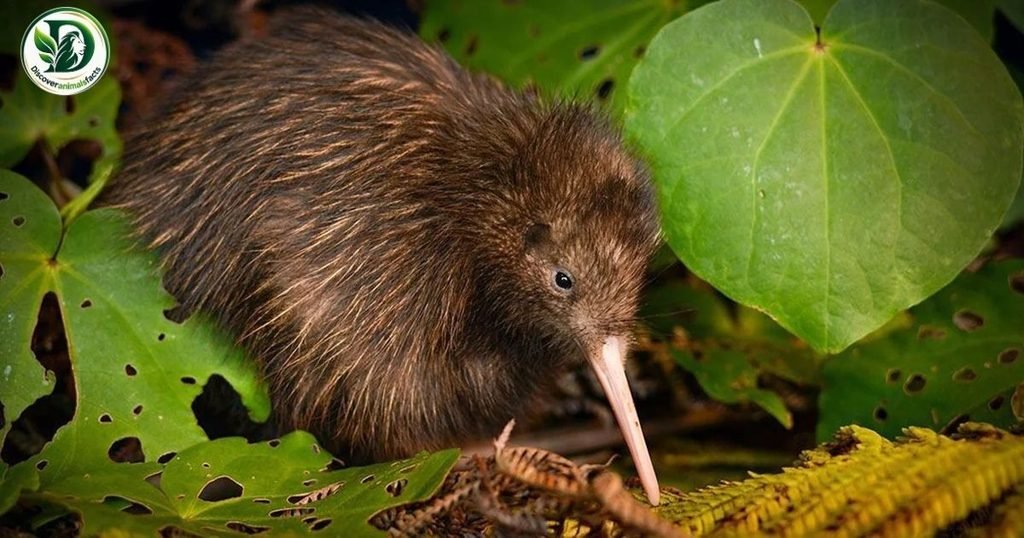
In the lush, vibrant forests of New Zealand, the kiwi stands out not just for its unique appearance but also for its timid nature. This flightless bird, with its long beak and fuzzy brown feathers, is often more heard than seen, relying on its keen sense of smell to forage for insects and worms hidden in the leaf litter.
The kiwi’s shyness is not just a trait but a survival strategy, allowing it to evade predators in its native habitat. Interestingly, the kiwi’s nighttime activity complements its reclusive behavior; it emerges under the cover of darkness, a fascinating tactic that underscores its adaptation to the challenges of its environment.
Another extraordinarily shy creature is the narwhal, often dubbed the “unicorn of the sea.” With its striking long tusk, this elusive marine mammal spends much of its life in the Arctic waters, avoiding human interaction. Narwhals are known to form tight-knit groups, highlighting a deep social bond among individuals who prefer the solitude of their icy realms.
If you interested to discover about Animals Without Tails, so this is complete guide with facts.
Quokka
- Scientific Name: Setonix brachyurus
- Class: Mammalia
- Diet: Herbivore
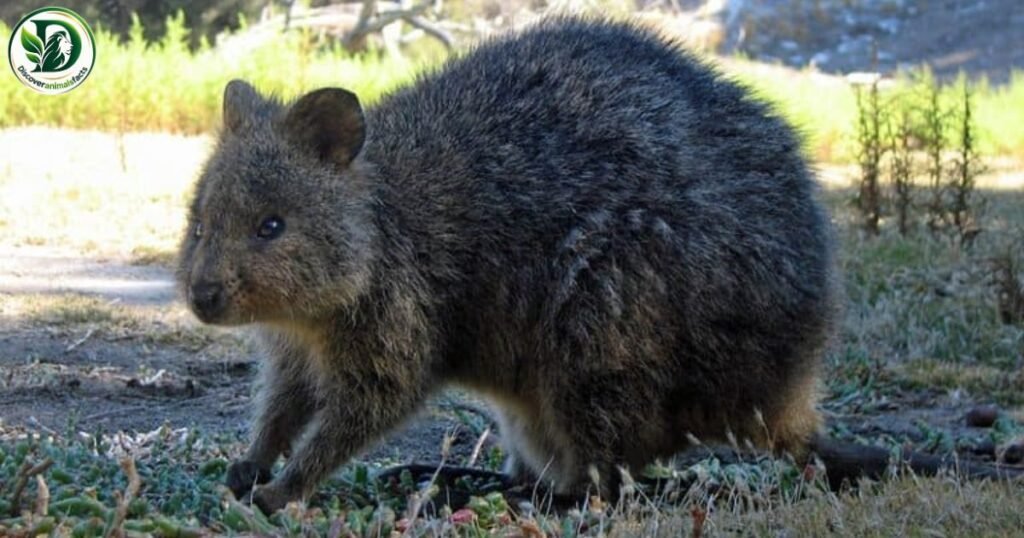
The quokka, often dubbed the “world’s happiest animal,” offers a surprising contrast to its cheerful reputation. Found primarily on Australia’s Rottnest Island, these small marsupials are notoriously shy, displaying a unique blend of curiosity and caution.
Unlike many of their more extroverted counterparts, quokkas tend to shy away from human interaction, retreating into the underbrush at the slightest hint of disturbance. This instinctive behavior not only ensures their survival from predators but also preserves their fragile habitats from overexploitation.
Delving deeper into the lives of shy animals like the quokka reveals fascinating adaptations. Their social structures hinge on subtle communication, relying heavily on body language and scent marking to convey messages. This reticence serves as a protective mechanism in their environment, promoting a lifestyle that prioritizes safety above social engagement.
Okapi
- Scientific Name: Okapia johnstoni
- Class: Mammalia
- Diet: Herbivore
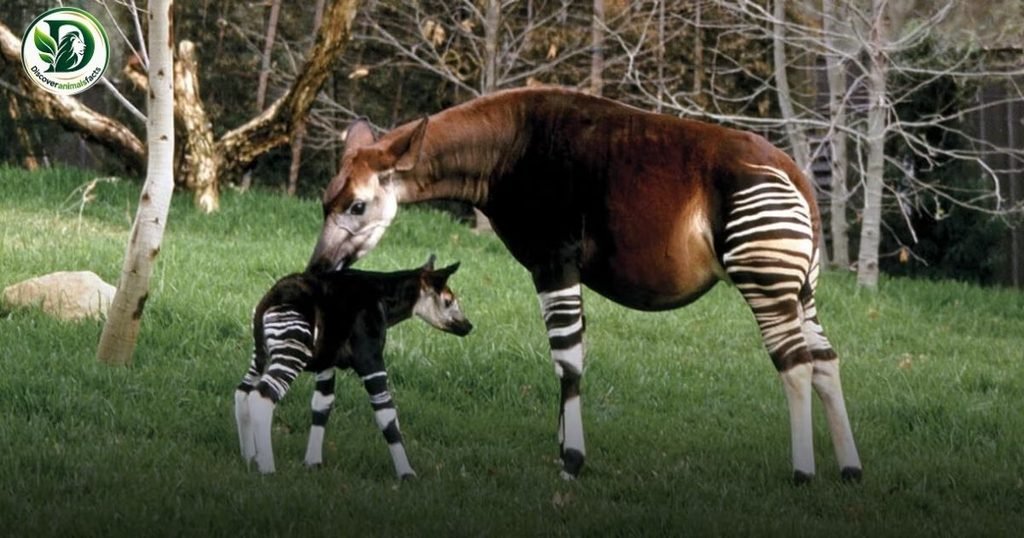
In the dense rainforests of the Congo, one of the shyest creatures, the okapi, wanders almost unseen. Although often referred to as a relative of the giraffe, its elusive nature and striking appearance complete with zebra-like stripes make the okapi a fascinating enigma.
These solitary herbivores thrive in the depths of their habitat, shunning human interaction and blending seamlessly into the foliage. Their keen sense of hearing and strong sense of smell help them navigate their surroundings while avoiding potential threats.
Beyond the okapi, the animal kingdom boasts an array of shy beings that highlight nature’s diversity. Take the elusive quokka, known for its seemingly perpetual smile, yet it remains cautious around humans, often retreating to the bushes when approached. Similarly, the snow leopard, a master of camouflage, prowls through the mountains of Central Asia, meticulously avoiding human presence.
Tarsier
- Scientific Name: Tarsiidae
- Class: Mammalia
- Diet: Carnivore
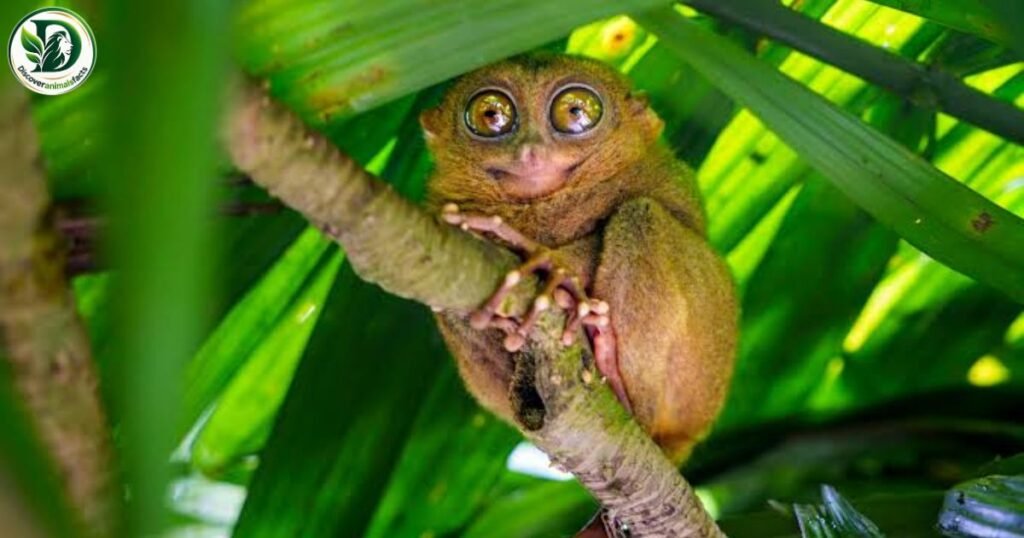
In the lush, secretive canopies of Southeast Asia, the tarsier emerges as one of nature’s most enigmatic shy creatures. With their oversized eyes adapted for nocturnal exploration, these small primates are often elusive, hiding in the foliage to avoid both predators and human observers.
Their remarkable ability to rotate their heads almost 180 degrees allows them to survey their surroundings quietly, embodying the art of stealth. This shyness is not just an adaptive trait; it reflects a deeper evolutionary strategy to thrive in a world filled with larger threats.
Beyond the tarsier, several shy animals exhibit similar survival tactics. The kiwi, native to New Zealand, is a flightless bird that digs its beak into the ground, camouflaging itself amid the underbrush. Its nocturnal habits render it less visible to predators, while its timid nature prompts it to scurry away at the slightest disruption. T
Dik-Dik
- Scientific Name: Madoqua
- Class: Mammalia
- Diet: Herbivore
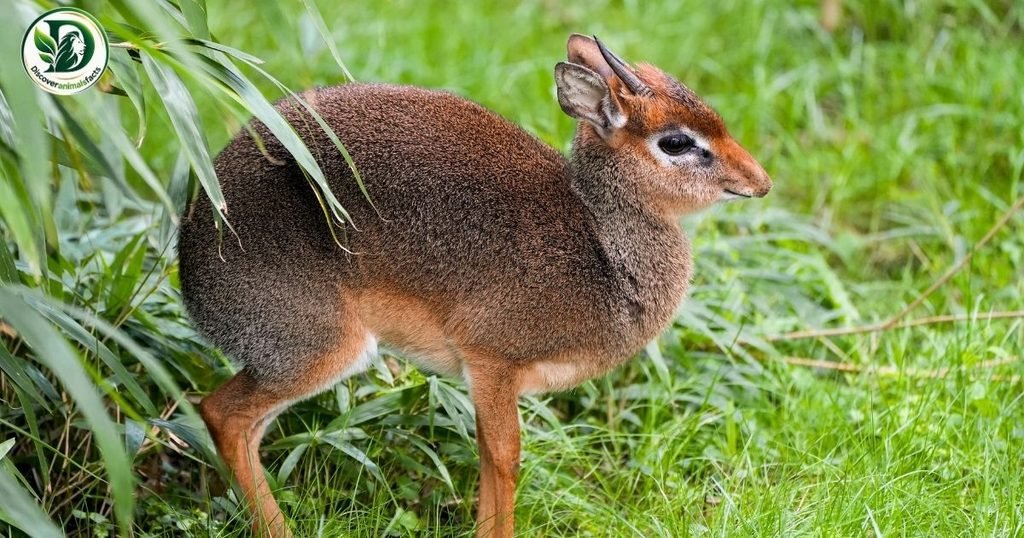
In the realm of shy animals, the dik-dik stands out as a remarkable example of nature’s delicate balance. These small, antelope-like creatures, native to the African savannas, epitomize the art of stealth and elusiveness. Measuring just 12 to 16 inches at the shoulder, their size and careful demeanor allow them to slip unnoticed through the dense brush.
What makes dik-diks particularly intriguing is their unique social behavior; they form monogamous pairs and use their distinct alarm calls to warn each other of approaching danger, showcasing a profound bond that underscores their shy yet deeply connected existence.
Dik-diks also demonstrate an extraordinary adaptation to their environment. Their large, expressive eyes and keen senses heighten their awareness of threats, making them masters of camouflage in the wild. When alarmed, they employ a fascinating escape mechanism: freezing in place to blend seamlessly with their surroundings. This level of awareness and adaptability invites us to reflect on the complexities of shyness in the animal kingdom, revealing that it is not merely an absence of boldness but a refined strategy for survival.
Hedgehog
- Scientific Name: Erinaceus
- Class: Mammalia
- Diet: Omnivore
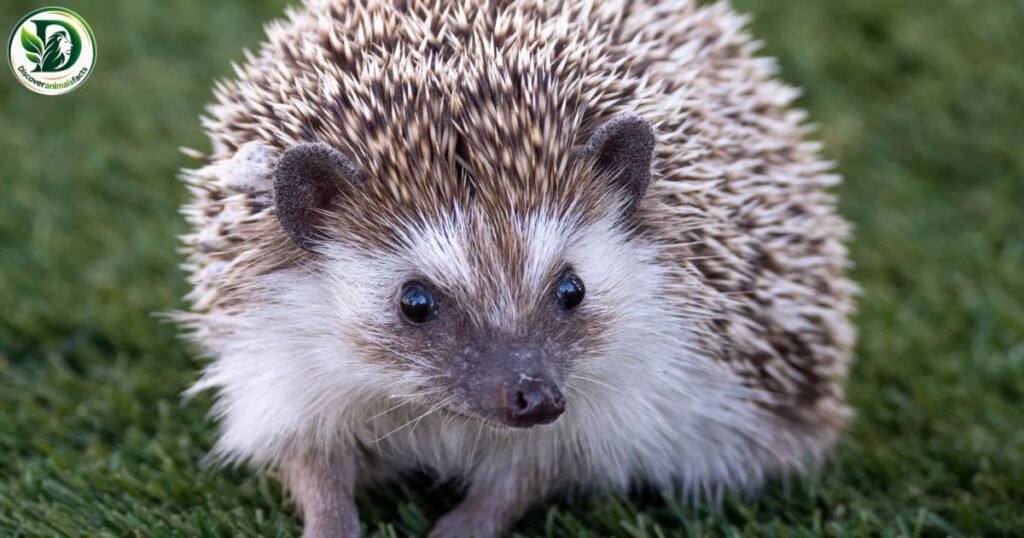
In the vast tapestry of animal behavior, hedgehogs stand out as prime examples of shy creatures navigating their world with a delightful mix of timidity and practicality. These adorable nocturnal animals, covered in spines, rely heavily on their defense mechanism — curling up into a ball.
This instinctive response to threats allows them to take a moment to assess their surroundings and retreat from potential dangers. Remarkably, their shyness doesn’t translate to weakness; rather, it highlights an adaptive strategy that prioritizes survival in a bustling environment.
Beyond hedgehogs, other shy animals exhibit equally intriguing adaptations. The enigmatic potoo, a bird native to Central and South America, camouflages itself against tree trunks, blending seamlessly into its surroundings. This master of disguise exemplifies how shyness can also be an evolutionary advantage, allowing such species to thrive in habitats teeming with predators.
Kakapo
- Scientific Name: Strigops habroptilus
- Class: Aves
- Diet: Herbivore
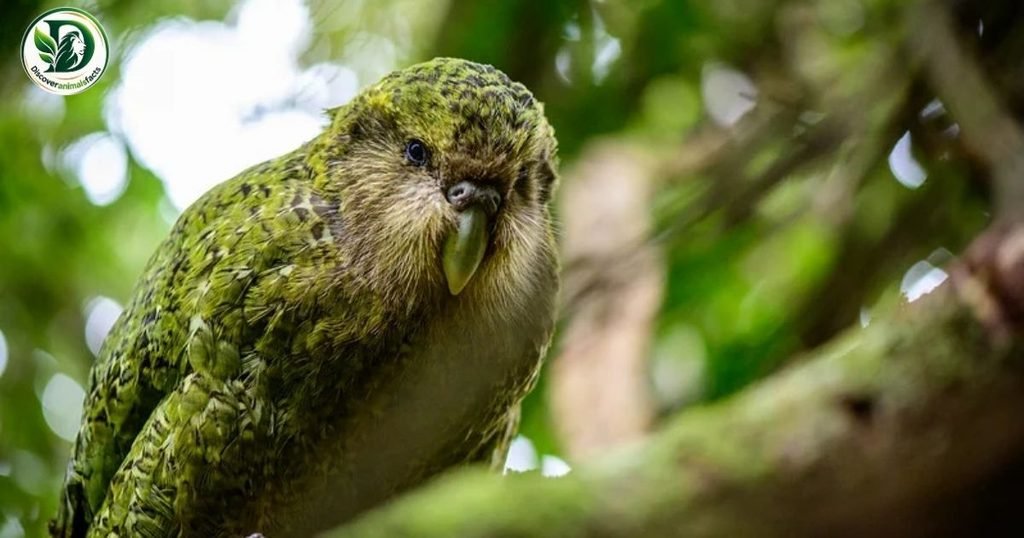
The Kakapo, a flightless parrot native to New Zealand, exemplifies the enigmatic world of shy animals. With its vibrant green plumage and large, owl-like face, this nocturnal bird has captivated conservationists and birdwatchers alike. Strikingly sociable yet inherently timid.
The Kakapo’s shyness is both a survival tactic and a reflection of its evolutionary history, having evolved in a predator-free environment. This makes their efforts to woo potential mates often involving elaborate courtship dances remarkably endearing and a testament to their unique behavior.
Shyness in animals often reflects deeper survival strategies. While the Kakapo emphasizes stealth, other species, like the Bornean orangutan, adopt a more solitary lifestyle, allowing them to interact minimally with both predators and humans. This shyness can be a double-edged sword; while it helps protect them, it also makes them susceptible to extinction as their populations dwindle.
Red Panda
- Scientific Name: Ailurus fulgens
- Class: Mammalia
- Diet: Omnivore
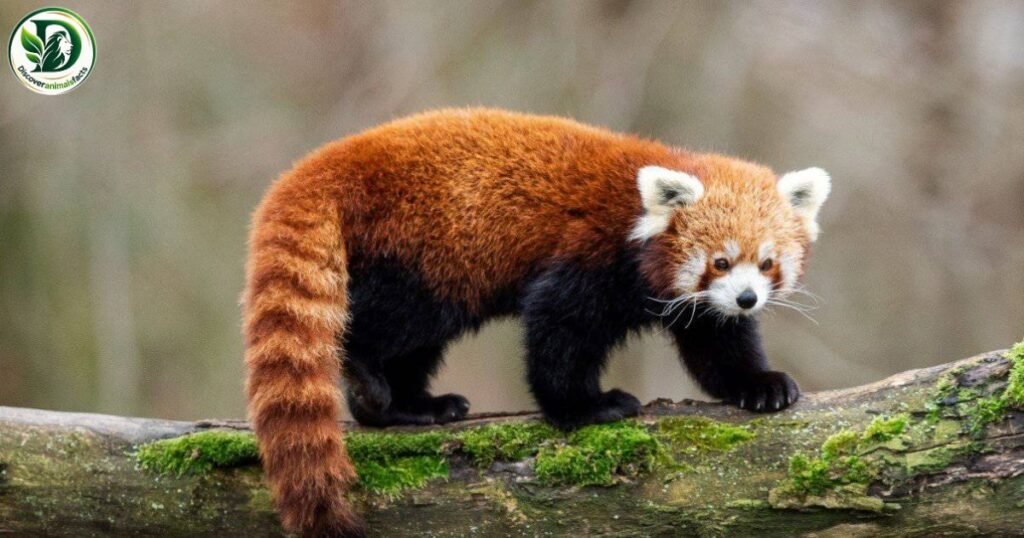
Among the fascinating array of shy animals, the Red Panda stands out not only for its adorable appearance but also for its elusive nature. Native to the lush forests of the eastern Himalayas and southwestern China, these mammals exhibit a unique blend of curiosity and caution.
Often seen resting high in the trees, the red panda spends most of its day sleeping, emerging only in the late afternoon to forage for bamboo, fruits, and flowers. This nocturnal behavior allows them to evade predators, as they blend seamlessly into their timbered surroundings.
Interestingly, red pandas communicate using a variety of vocalizations, from squeals to whines, which reveal a deeper social structure than one might expect. Unlike more social species, they prefer solitary lives, which is reflected in their soft, padded movements and cautious approaches to any perceived threat. This shyness is an evolutionary advantage, allowing them to conserve energy and evade both predator detection and human encroachment.
Giant Anteater
- Scientific Name: Myrmecophaga tridactyla
- Class: Mammalia
- Diet: Insectivore
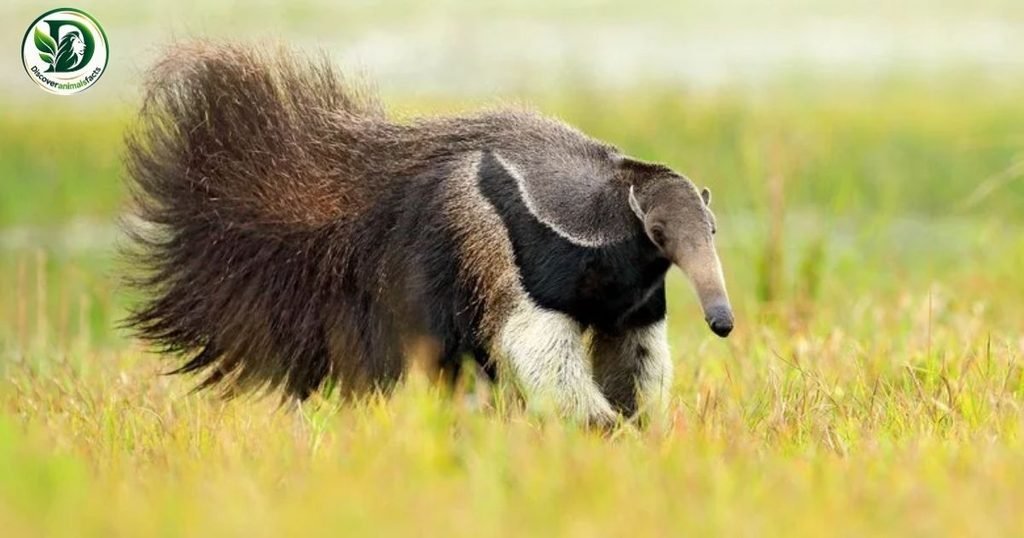
The giant anteater, with its elongated snout and impressive claws, is one of nature’s most fascinating yet shy creatures. Often found in the grasslands and forest edges of Central and South America, its elusive nature allows it to vanish into the dense underbrush, making encounters rare and special.
This is a more social species, the giant anteater prefers solitude, using its keen sense of smell to locate ants and termites while avoiding potential threats. This behavioral trait highlights a unique evolutionary strategy, by staying hidden, they reduce the risk of predation, reminding us that some animals thrive in the shadows.
Another intriguing aspect of their shyness is their remarkable adaptability. While many animals are drawn to open areas, the giant anteater skillfully navigates its environment, subtly blending into the foliage. This ability not only enhances its survival but also reflects a greater ecological balance, as these creatures play a crucial role in controlling insect populations and, in turn, supporting the health of their habitat.
Pangolins
- Scientific Name: Pholidota
- Class: Mammalia
- Diet: Insectivore
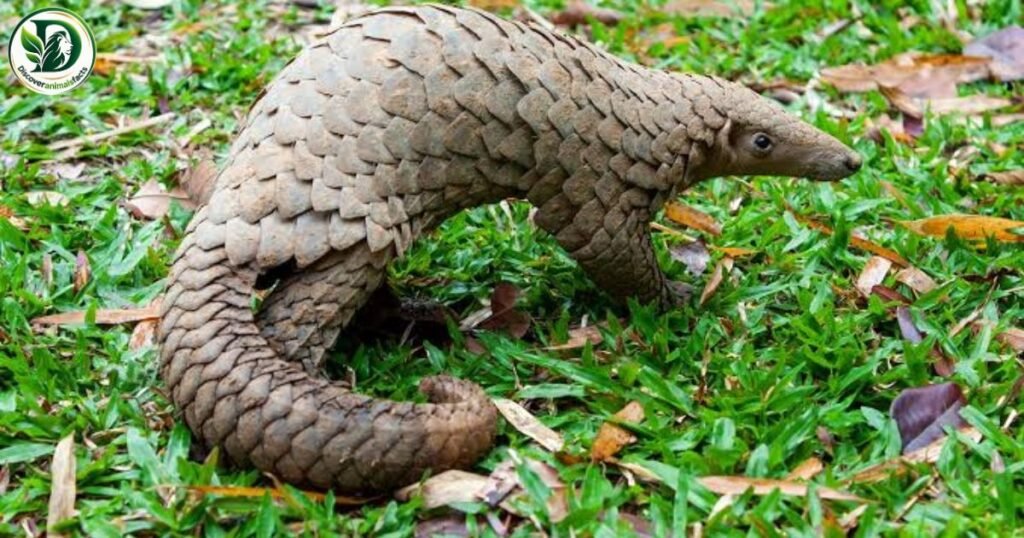
Pangolins, often referred to as “scaly anteaters,” are among the most fascinating yet shy creatures in the animal kingdom. These nocturnal mammals, covered in hard, protective scales, primarily rely on their keen sense of smell to forage for ants and termites in the dark. Their shy nature makes them elusive; they curl into a tight ball when threatened, a behavior that has contributed to their vulnerability.
Their secretive lifestyle is not just a defensive mechanism; it also plays a crucial role in their survival. Pangolins primarily feast on ants and termites, using their elongated tongues to extract food with remarkable precision. This specialized diet further drives their elusive behavior, as they must navigate quiet environments to avoid detection both from predators and humans.
Aye-aye
- Scientific Name: Daubentonia madagascariensis
- Class: Mammalia
- Diet: Omnivore
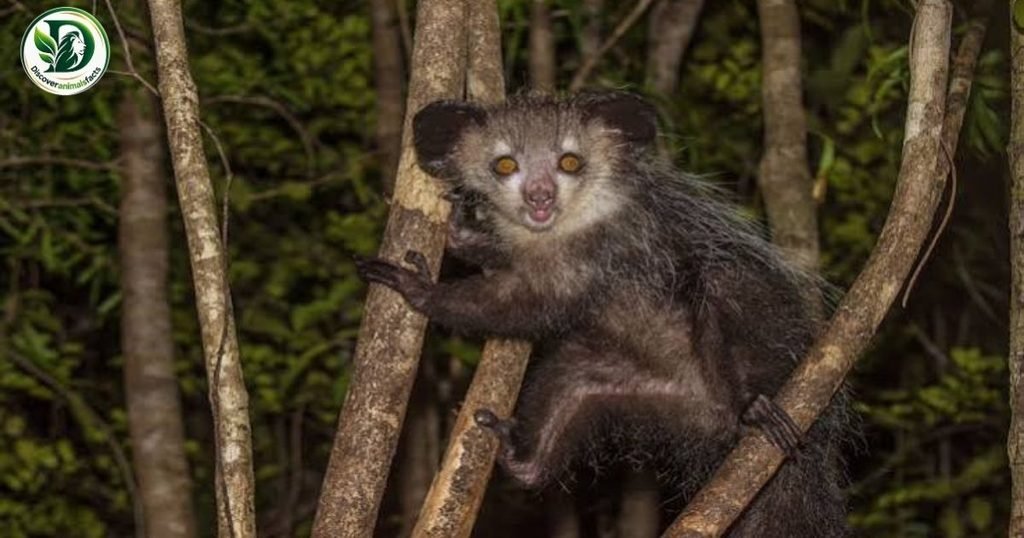
In the dense forests of Madagascar, the elusive aye-aye captures the imagination of nature enthusiasts and casual observers alike. With its oversized fingers and hauntingly expressive eyes, this nocturnal lemur uses its unique adaptations like tapping on tree bark to locate insects hidden beneath the surface.
This unconventional foraging method not only highlights its resourcefulness but also demonstrates how shyness can be a survival strategy; by remaining elusive, the aye-aye avoids detection by predators and human encroachment, ensuring its niche in this precarious ecosystem.
Similarly, the solitary nature of the saola, often dubbed the “Asian unicorn,” adds to its mystique. Found nestled between the mountains of Vietnam and Laos, this rare mammal eludes researchers and photographers alike. Its shyness has led to the development of a deeply imprinted cultural significance, intertwining myth and ecology in the regions it inhabits.
Maned Wolf
- Scientific Name: Chrysocyon brachyurus
- Class: Mammalia
- Diet: Omnivore
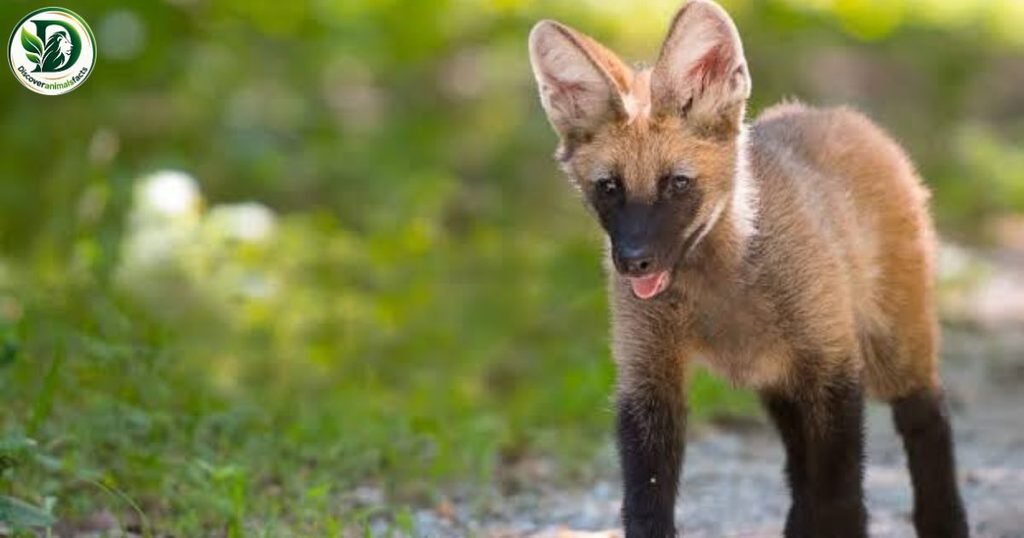
Among the shyest animals in the world, the maned wolf stands out not just for its striking appearance but also for its elusive nature. Native to the grasslands of South America, this unique canid is often mistaken for a fox due to its long legs and reddish fur.
What makes the maned wolf particularly fascinating is its solitary lifestyle, often shunning the company of others. Drawing on its keen sense of hearing and a penchant for nocturnal activity, it navigates its environment with a grace that belies its size, making it a challenge for wildlife enthusiasts to spot.
The maned wolf communicates through an array of vocalizations and scent markings, further enhancing its mysterious aura. Unlike many social mammals, the maned wolf’s solitary habits may stem from its role as both predator and prey in its ecosystem. This duality forces it to be cautious and adaptable, adding layers to its shyness.
Binturong
- Scientific Name: Arctictis binturong
- Class: Mammalia
- Diet: Omnivore
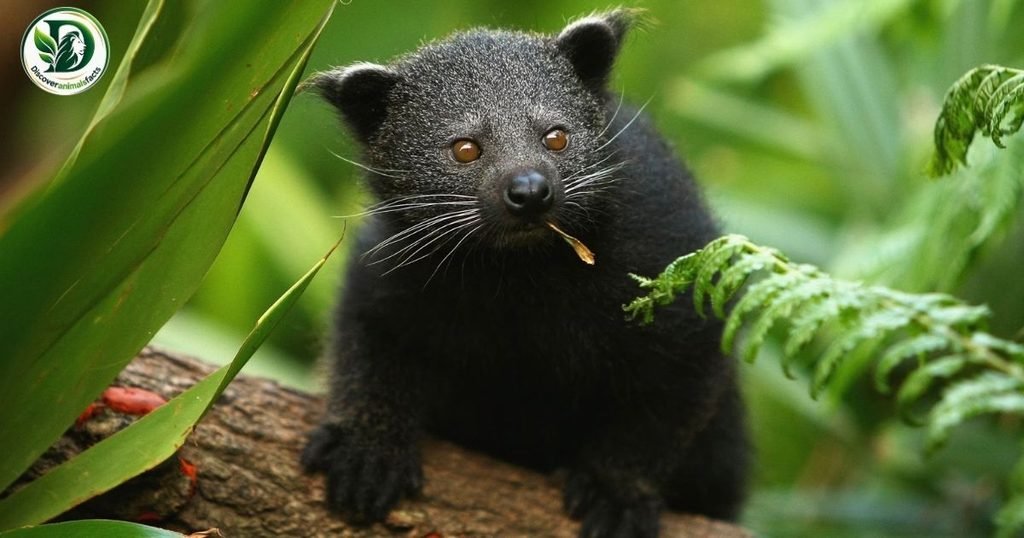
In the lush canopies of Southeast Asia, the binturong, or “bearcat,” exhibits a fascinating blend of shyness and curiosity. With its striking features a tail longer than its body and a distinctive, musky scent this elusive creature spends much of its life aloft, navigating the treetops rather than venturing down to the forest floor.
Despite its robust size, the binturong’s reserved nature keeps it hidden from many predators and human observers alike, spotlighting the delicate balance ecosystems maintain. Interestingly, the shyness of the binturong is not merely a survival strategy, it plays a vital role in seed dispersal for various fruit-bearing trees in its habitat.
As it consumes fruits like figs, the binturong helps propagate these plants, fostering biodiversity in its environment. This symbiotic relationship illustrates a lesser-known aspect of shy animals; they often serve as crucial yet unsung architects of their ecosystems, quietly working behind the scenes to support vibrant plant communities.
Meerkat
- Scientific Name: Suricata suricatta
- Class: Mammalia
- Diet: Omnivore
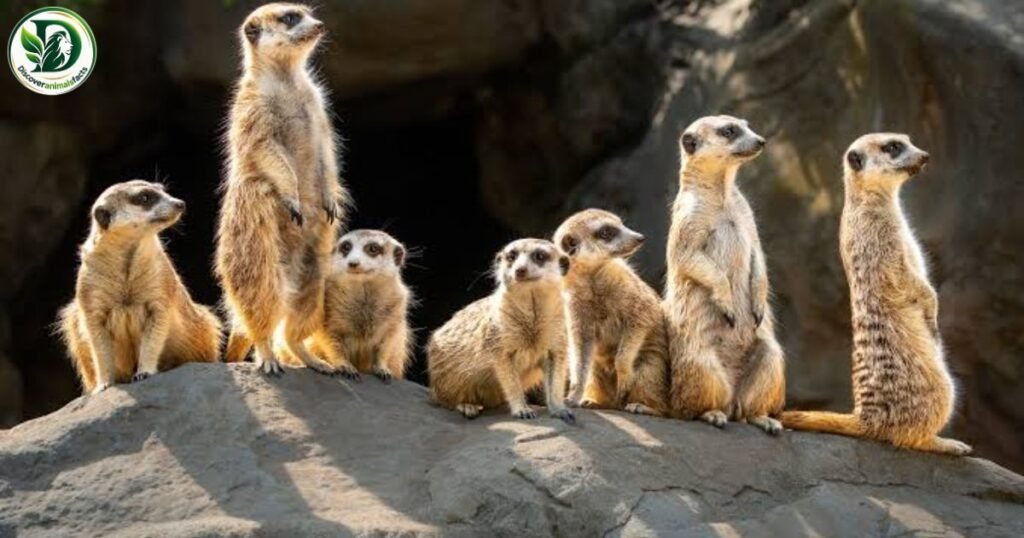
In the vast tapestry of the animal kingdom, shy animals often escape our notice, yet their fascinating behaviors reveal a richness of life that intrigues researchers and nature enthusiasts alike. Take the meerkat, for instance. Known for their social structure and communal living, these small mammals display a curious blend of shyness and bravery.
Despite their active role in sentinel duty, alerting the tribe to potential dangers, they often retreat into their burrows when confronted with unfamiliar situations or observers. This duality highlights a unique adaptation, allowing them to thrive in the harsh environments of the Kalahari Desert while minimizing risks from predators.
The shyness displayed by certain species can be a survival strategy, offering valuable lessons in resilience and adaptability. Consider the elusive snow leopard, known for its solitary nature and cautious approach to both prey and human presence. Their instinct to remain hidden in the rugged mountains of Central Asia ensures not only their safety but also the preservation of their delicate ecosystem.
Fennec Fox
- Scientific Name: Vulpes zerda
- Class: Mammalia
- Diet: Omnivore
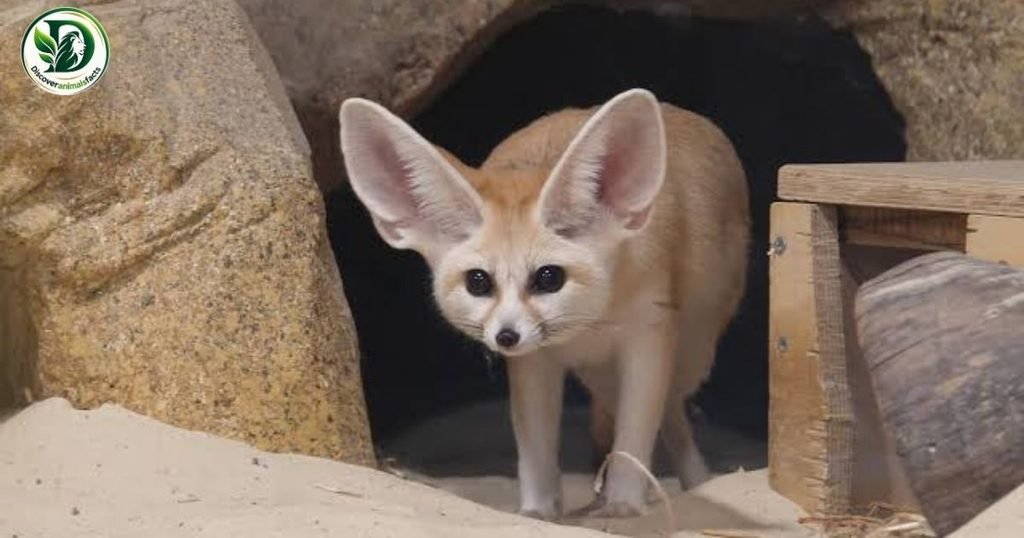
In the vast tapestry of the animal kingdom, the fennec fox exemplifies shyness with its keen senses and delicate demeanor. Native to the arid expanses of the Sahara Desert, this small creature is not just known for its oversized ears but also for its elusive nature.
By night, the fennec fox comes alive, avoiding the heat of the day and deftly navigating its environment with a blend of caution and grace. This nocturnal lifestyle brings out its shyness, as it relies on stealth to find food and evade potential predators.
Furthermore, the fennec fox communicates subtly, using a range of sounds barks, whines, and purrs to convey emotions and warnings to its kin. Their social structures are complex, often revolving around family units, yet their shyness causes them to retreat from overt social interactions with unfamiliar creatures.
If you are interesting to explore about Animals Like Foxes, so this is complete guide with facts.
Aardvarks
- Scientific Name: Orycteropus afer
- Class: Mammalia
- Diet: Insectivore
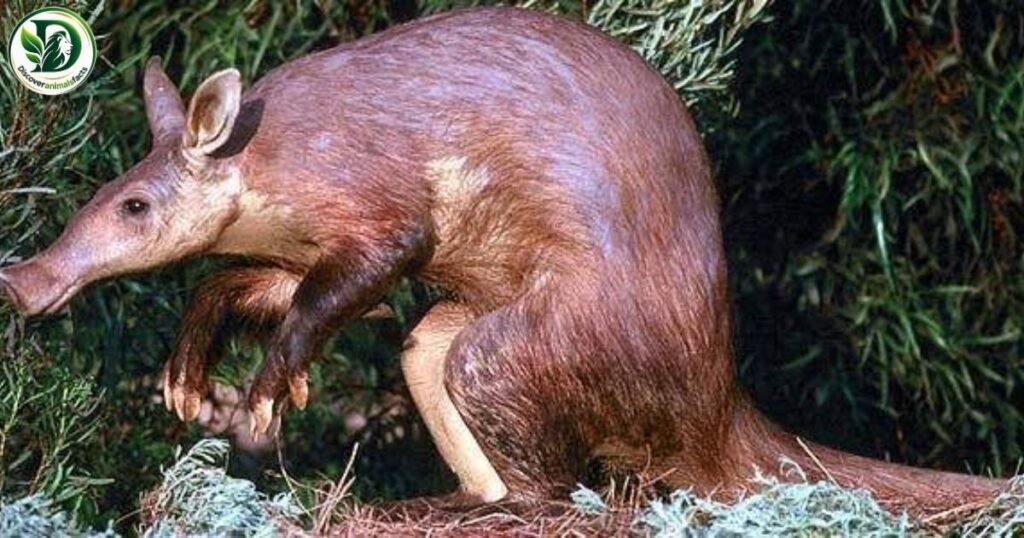
In the vast tapestry of the animal kingdom, few creatures embody the essence of shyness quite like the aardvark. Found primarily in the savannas and woodlands of Africa, these nocturnal mammals are masters of concealment. Their large, sensitive ears and elongated snouts are perfectly adapted for foraging in the dark, primarily hunting down ants and termites.
Their elusive nature often means they are more often heard than seen, creating an air of mystery that surrounds their existence. Imagine wandering through their habitat and catching a fleeting glimpse of these solitary foragers, quickly burrowing back into their subterranean homes at the slightest sign of disturbance.
Similarly, the shy albatross exhibits a unique form of social reticence, particularly during mating rituals. While their majestic flights across the oceans draw admiration, these birds prefer to engage in elaborate courtship displays away from the prying eyes of potential predators and disturbances. Their lengthy courtship can last for years, marked by intricate dance-like movements that only other albatrosses appreciate.
Giant Panda
- Scientific Name: Ailuropoda melanoleuca
- Class: Mammalia
- Diet: Herbivore
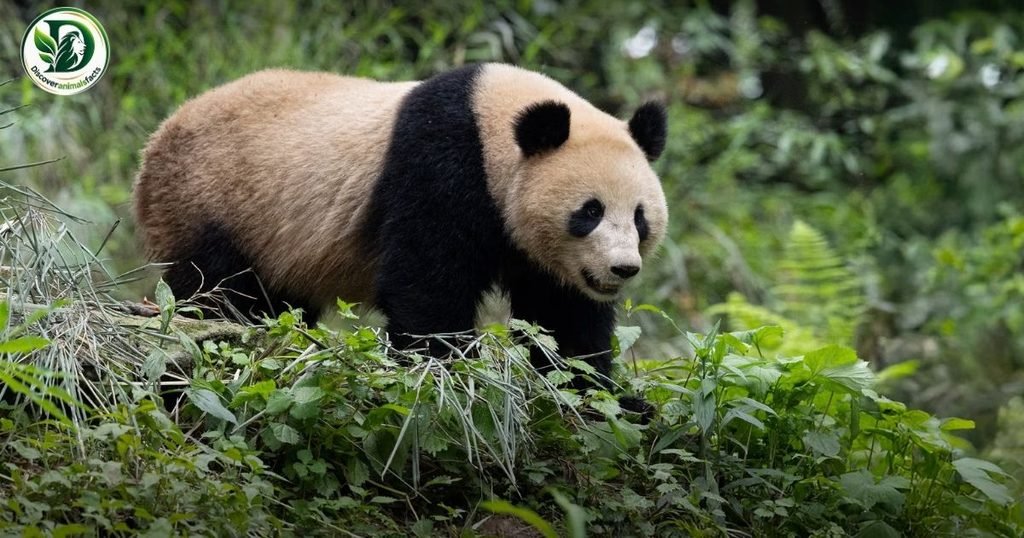
In the enchanting realm of shy animals, the giant panda stands out not only for its iconic appearance but also for its elusive nature. Though often depicted as cuddly and playful, these gentle giants are predominantly solitary creatures, preferring the comfort of their bamboo-filled habitats to the hustle and bustle of larger animal populations.
Their shy demeanor plays a crucial role in their survival; as they navigate dense forests, they often keep a low profile, avoiding potential threats and human interaction. This instinctual behavior highlights the delicate balance between their need for social interaction and their natural wariness, offering a unique glimpse into the lives of these magnificent beings.
Another fascinating aspect of shy animals is their use of communication. While giant pandas may lean heavily on physical cues like scent marking and vocalizations, other shy species rely on less conspicuous methods. For instance, the elusive snow leopard uses stealth and a keen understanding of its environment to thrive in the mountainous landscapes of Central Asia.
Axolotl
- Scientific Name: Ambystoma mexicanum
- Class: Amphibia
- Diet: Carnivore
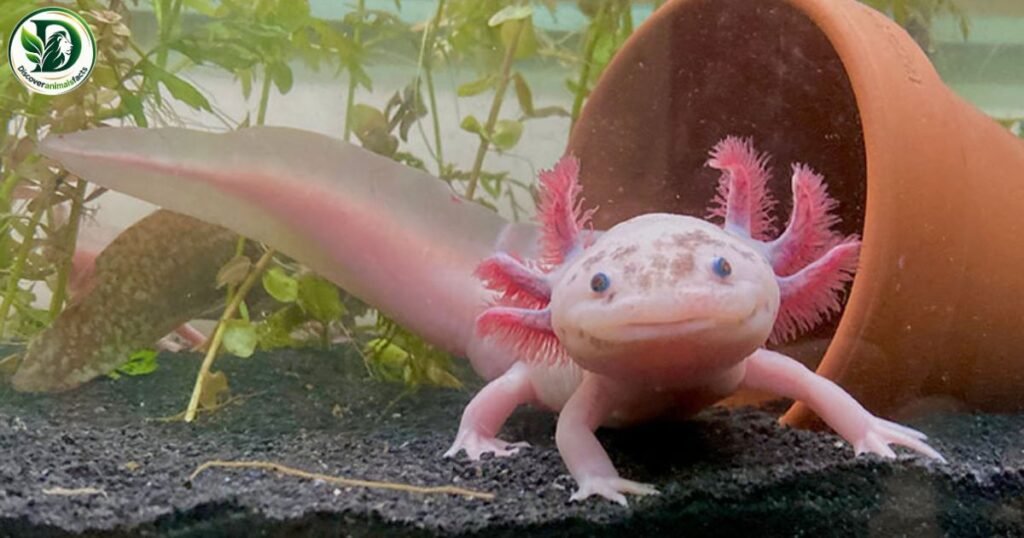
Among the fascinating inhabitants of our planet, shy animals often exhibit behaviors that are both intriguing and heartwarming. Take the axolotl, for instance a captivating amphibian native to Mexico. Known for its distinctive external gills and regenerative abilities.
This creature prefers to blend into its aquatic habitat rather than flaunt its unique features. Unlike many animals that display bold mating rituals, axolotls often retreat into the confines of their environment when threatened, showcasing a blend of vulnerability and resilience.
Similar to the axolotl, many shy animals possess survival strategies that rely on subtlety and camouflage. For instance, the elusive fossa of Madagascar uses stealth to navigate its forested home, avoiding both predators and potential disturbances. This shy demeanor highlights a fascinating aspect of biodiversity: the many ways animals adapt to thrive in their ecosystems without drawing attention to themselves.
Kangaroo
- Scientific Name: Macropus
- Class: Mammalia
- Diet: Herbivore
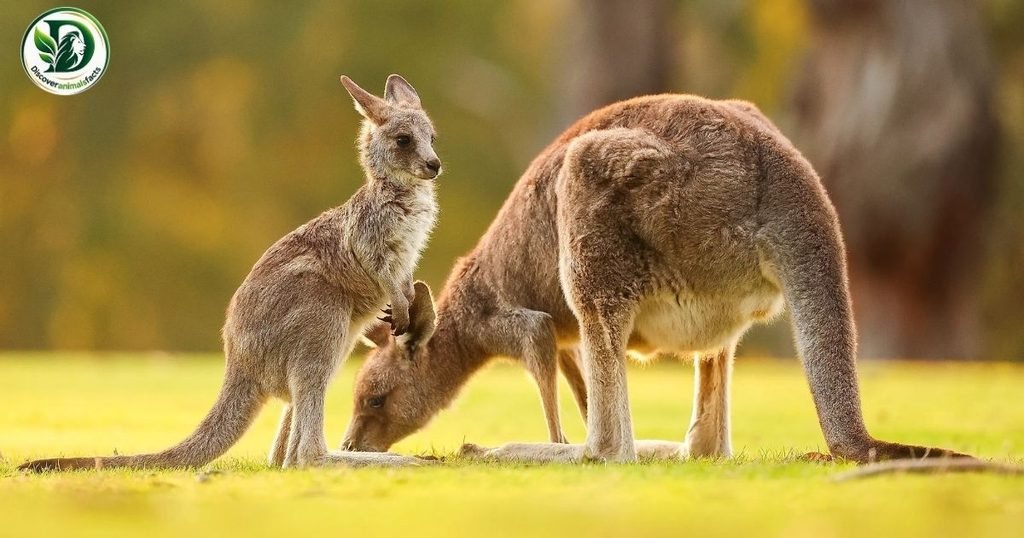
In the vast tapestry of the animal kingdom, most shy animals in the world creatures like the kangaroo embody both grace and elusive charm. Often associated with Australia’s sweeping landscapes, these marsupials are more than just symbols of their homeland, they exhibit intriguing social behaviors that reveal their shy nature.
While often seen in groups, kangaroos often retreat to the shadows at the slightest hint of danger, showcasing a fascinating blend of curiosity and caution. This avoidance isn’t merely flight; it speaks to their instinctive strategy for survival in a world filled with predators.
The kangaroo, the elusive pangolin, takes shyness to another level. Covered in protective keratin scales, these nocturnal animals curl into a ball when threatened, becoming nearly invisible to potential threats. This instinctive retreat not only shields them but draws attention to the plight they face from poaching and habitat loss.
Spoon-billed Sandpiper
- Scientific Name: Calidris pygmaea
- Class: Aves
- Diet: Omnivore
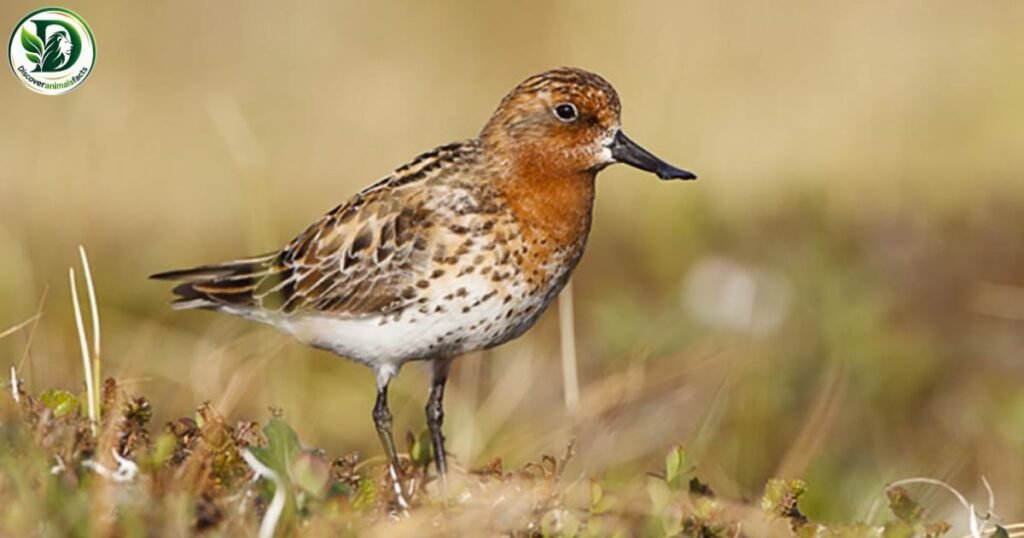
Among the myriad of creatures that inhabit our planet, the Spoon-billed Sandpiper stands out not merely for its unique appearance but also for its elusive nature. This tiny shorebird is often a ghost of the wetlands, gliding through marshy landscapes with a grace that belies its shyness.
Endangered and increasingly rare, it relies on the secluded habitats of coastal areas, where human interference is minimal, emphasizing the delicate balance between wildlife and urban development. As conservation efforts strive to protect this remarkable bird, we are reminded of the stark vulnerability of species that prefer the hidden corners of the earth.
The Spoon-billed Sandpiper, many shy animals display fascinating survival strategies in their quest for solitude. For instance, the elusive Okapi, native to the dense rainforests of the Congo, remains largely hidden from the human eye, fostering an air of mystery around its existence. These creatures often employ camouflage and subtle behavioral patterns, evading predators and human interaction alike.
Explore: List Of Animals Like Foxes
Conclusion
The world of shy animals is a fascinating realm filled with unique behaviors and adaptations that allow them to navigate their environments while remaining elusive. From the elusive snow leopard to the gentle pangolin, these creatures remind us that not all wildlife is bold and boisterous.
Their shyness often serves as a survival tactic, helping them evade predators and thrive in their habitats. By observing and respecting these shy animals in the world, we gain a deeper appreciation for biodiversity and the delicate balance of nature. Let us commit ourselves to protecting their habitats and ensuring that their quiet presence continues to enrich our ecosystems.
FAQ’s
What are Some Animals that are Shy But Smart?
Many animals exhibit a combination of shyness and intelligence, often relying on their smarts to navigate their environments in subtle ways. One notable example is the octopus.
What are Animals that are Shy At First But Then Outgoing?
Many animals exhibit shyness before showing their more outgoing and social sides. For instance, rabbits are known for their initial timidness.
What are the Most Timid Animals?
Some of the most timid animals include small herbivores like rabbits and deer, which tend to be alert and ready to flee at the slightest sign of danger.
What are Some Animals that are Quiet And Shy?
Many animals exhibit quiet and shy behaviors, often preferring solitude or being in the background. One notable example is the sloth.
What Animal Represents Shyness?
One animal often associated with shyness is the deer, particularly the fawn. These creatures embody a gentle nature and are known for their timid behaviors, often freezing in place when they sense danger.
Can Animals Be Shy?
AI Overview Yes, animals can be shy, and shyness is a recognized personality trait and survival strategy across many species.
What is Shy Animal?
Pangolins, aardvarks, and snow leopards are well-known shy animals that naturally avoid humans and hide when frightened